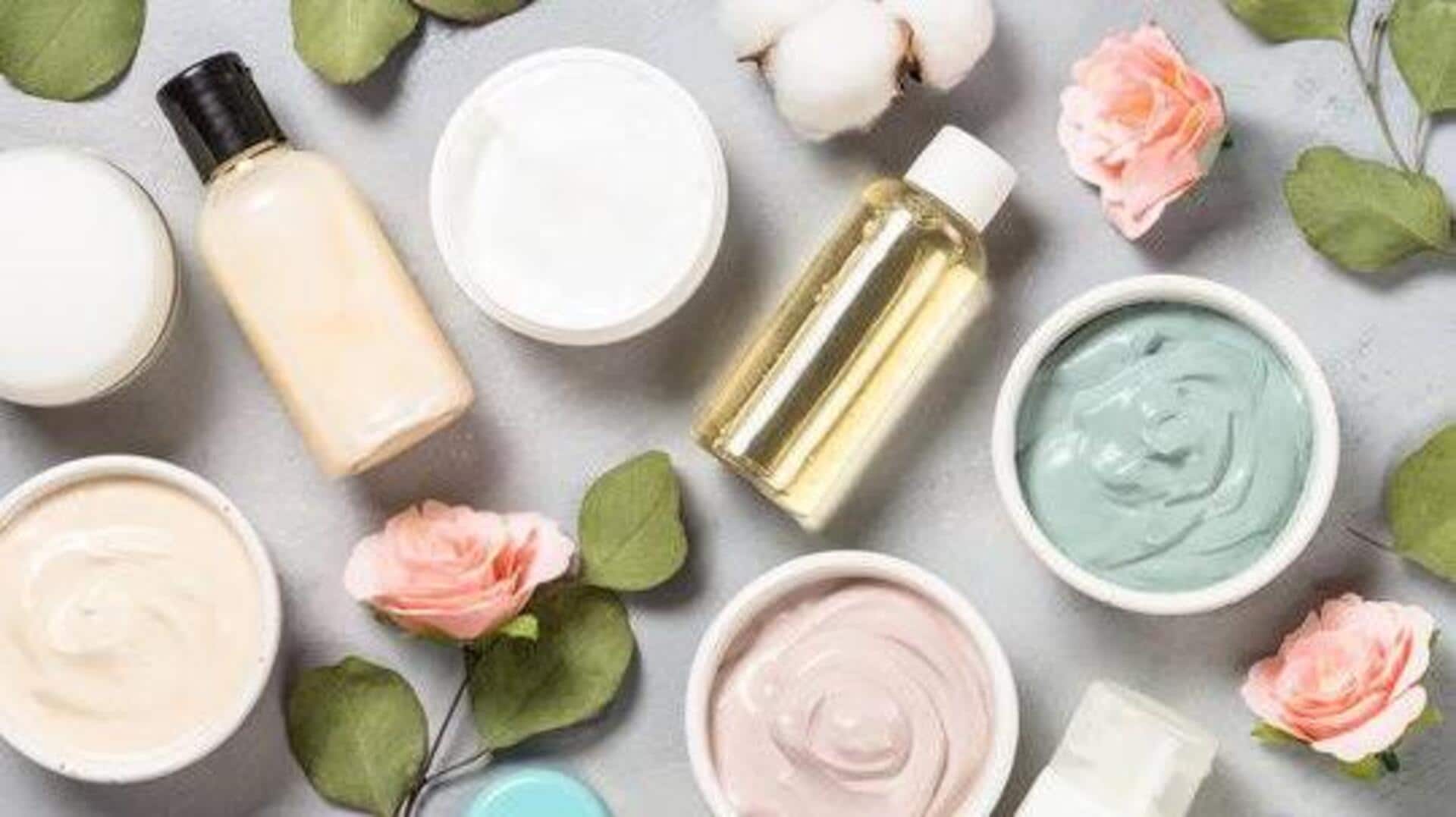
Can antioxidants really slow skin aging?
What's the story
Antioxidants are often touted as the holy grail of skincare, promising to fight aging and give you a radiant glow. But, how effective are they really? This article delves into the science behind antioxidants in skincare, separating fact from myth. By understanding how antioxidants work, you can make informed decisions about your skincare routine. Let us explore the role of antioxidants and their real impact on skin health.
#1
The science behind antioxidants
Antioxidants are compounds that neutralize free radicals, unstable molecules that can damage cells.
Free radicals are generated by environmental stressors like pollution and UV rays.
By neutralizing these harmful molecules, antioxidants may help minimize oxidative stress on the skin. This process is believed to slow down signs of aging, such as fine lines and wrinkles.
#2
Common antioxidant ingredients
Several ingredients are commonly used as antioxidants in skincare products.
Vitamin C is famous for brightening skin and boosting collagen production.
Vitamin E helps protect cell membranes from damage.
Green tea extract offers anti-inflammatory benefits, along with antioxidant protection.
Each ingredient has its own set of benefits, making them popular choices in formulations.
#3
Misconceptions about effectiveness
A common misconception is that all antioxidants provide the same level of protection. However, their effectiveness can vary based on formulation and concentration.
Some antioxidants may be more effective when combined with other ingredients, or used in specific formulations designed to enhance absorption into the skin.
Tip 1
Application tips for best results
To maximize the benefits of antioxidant skincare products, apply them consistently as part of your daily routine.
Use them after cleansing, but before moisturizing, for optimal absorption.
Consider layering products with different types of antioxidants for enhanced protection against environmental damage over time.