Aqua aerobics or dance? Which is better for heart health
What's the story
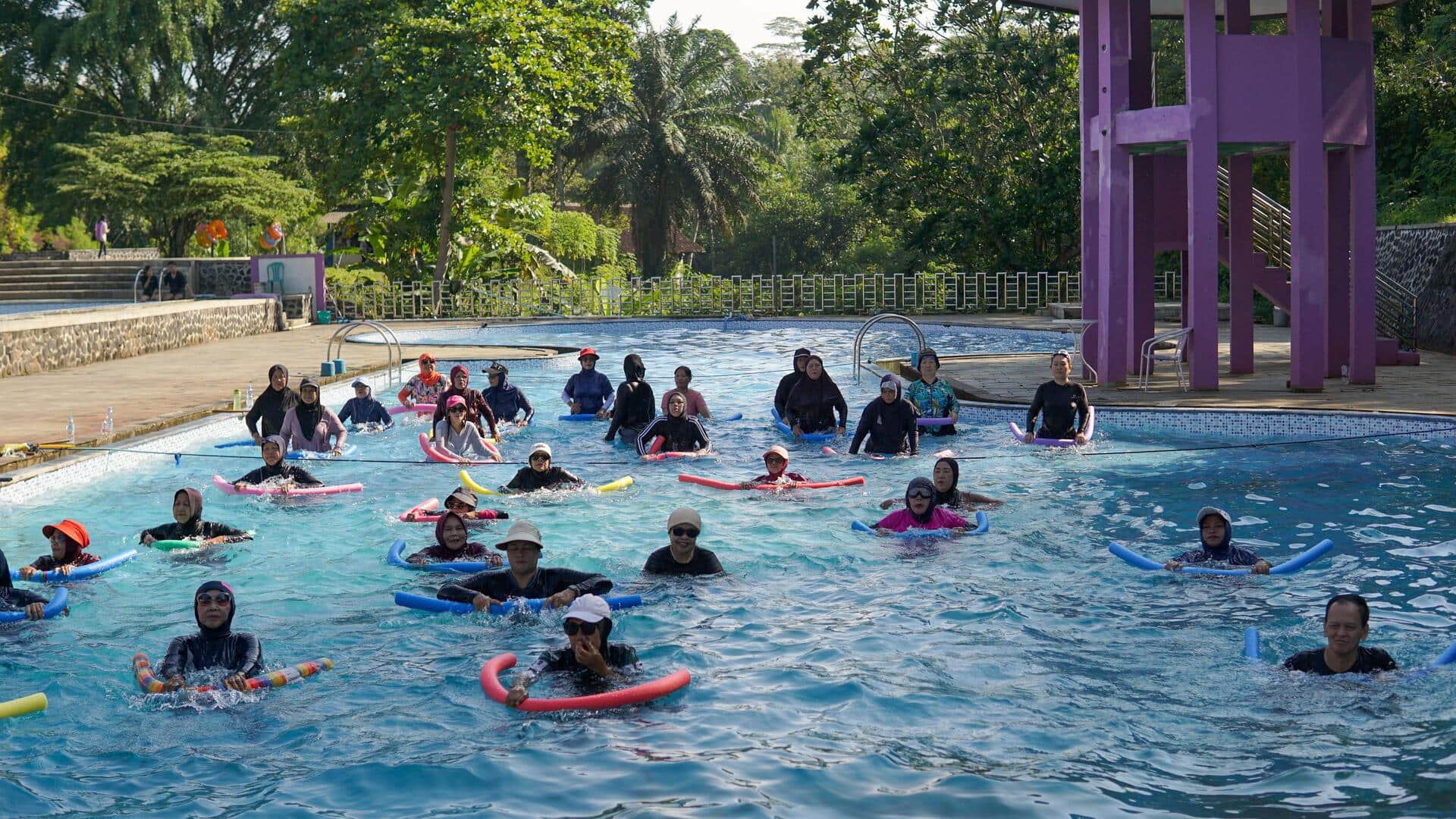
Aqua aerobics and dance are two popular forms of exercise that can help improve cardiovascular health. Both activities have their own unique benefits, making them appealing to different individuals. While aqua aerobics involves performing aerobic exercises in water, dance incorporates rhythmic movement to music. This article explores the effects of these two exercises on cardiovascular health, providing insights into how each can contribute to a healthier heart.
Water workout
Benefits of aqua aerobics
Aqua aerobics is a low-impact exercise that is easy on the joints, making it ideal for people of all ages and fitness levels.
The resistance offered by water helps build strength and endurance without putting too much stress on the body.
The buoyancy of water also helps improve circulation and reduce blood pressure.
Regular participation in aqua aerobics can lead to better heart function and increased stamina.
Rhythmic movement
Dance as a cardio exercise
Dance is an enjoyable way to get your heart pumping and burn calories.
The rhythmic movements involved in dancing elevate the heart rate, which improves cardiovascular efficiency over time.
Different dance styles offer varied intensities, allowing participants to choose according to their fitness goals.
Dancing regularly can improve your cholesterol levels and lower the risk of heart disease.
Energy expenditure
Comparing calorie burn rates
When it comes to calorie burning, both aqua aerobics and dance have their own advantages.
Aqua aerobics usually burns around 400 calories per hour for an average person, depending on the intensity of the workout.
Dance, on the other hand, can burn anywhere between 300 and 600 calories per hour, depending on the style and intensity of the moves.
Both forms of exercise are effective for weight management and improving overall cardiovascular health.
Community engagement
Accessibility and social benefits
Aqua aerobics classes are usually held in pools with a supportive environment, making them accessible to people with mobility issues or recovering from injuries.
Dance classes provide a social atmosphere where people can interact with others who share similar interests in music and movement.
The communal aspect of both activities promotes motivation and consistency in maintaining an active lifestyle.