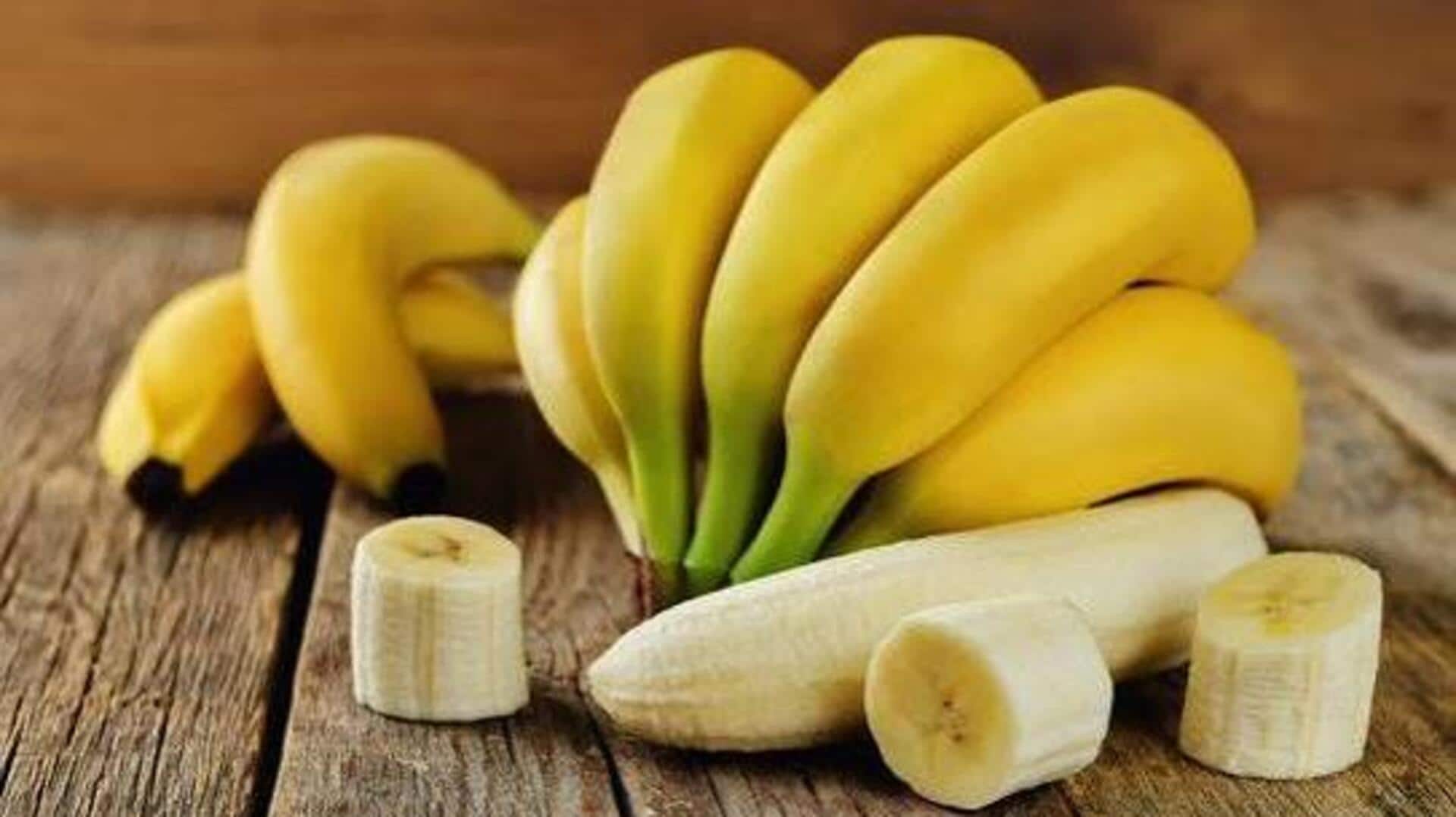
Bananas v/s pears: Comparing their nutrition
What's the story
Bananas and pears are two of the most popular fruits, both of which come with their own set of nutritional benefits. While both are healthy choices, knowing their differences can help you make informed dietary choices. This article delves into the nutritional profiles of bananas and pears, comparing their vitamin content, fiber levels, sugar content, and calorie count. Let us see how these fruits stack up against each other.
#1
Vitamin content comparison
Bananas are well-known for their vitamin B6 content, providing around 20% of the daily recommended intake per medium banana. They also provide some vitamin C.
Pears, on the other hand, provide a good amount of vitamin C, giving around 12% of the daily recommended intake per medium pear.
Both fruits contribute to overall health, but focus on different vitamins.
#2
Fiber levels in each fruit
Fiber is an essential part of a healthy diet, and both bananas and pears are rich in it.
A medium banana has about three grams of fiber, while a medium pear has about six grams.
The higher fiber content in pears makes them a better option for those looking to boost their digestive health or maintain regular bowel movements.
#3
Sugar content analysis
When it comes to sugar content, bananas have a higher natural sugar level than pears.
A medium banana has about 14 grams of sugar, while a medium pear has about 17 grams.
Though both fruits have natural sugars that provide energy, those watching their sugar intake may want to keep an eye on how much they consume.
#4
Calorie count differences
Calorie count is another factor to consider when choosing between bananas and pears.
A medium banana has roughly 105 calories, whereas a medium pear has approximately 102 calories.
The difference is minimal but can still play a role in meal planning for those keeping a check on calorie consumption as part of their diet plan or weight management goals.