Do blackcurrants have more vitamin C than gooseberries?
What's the story
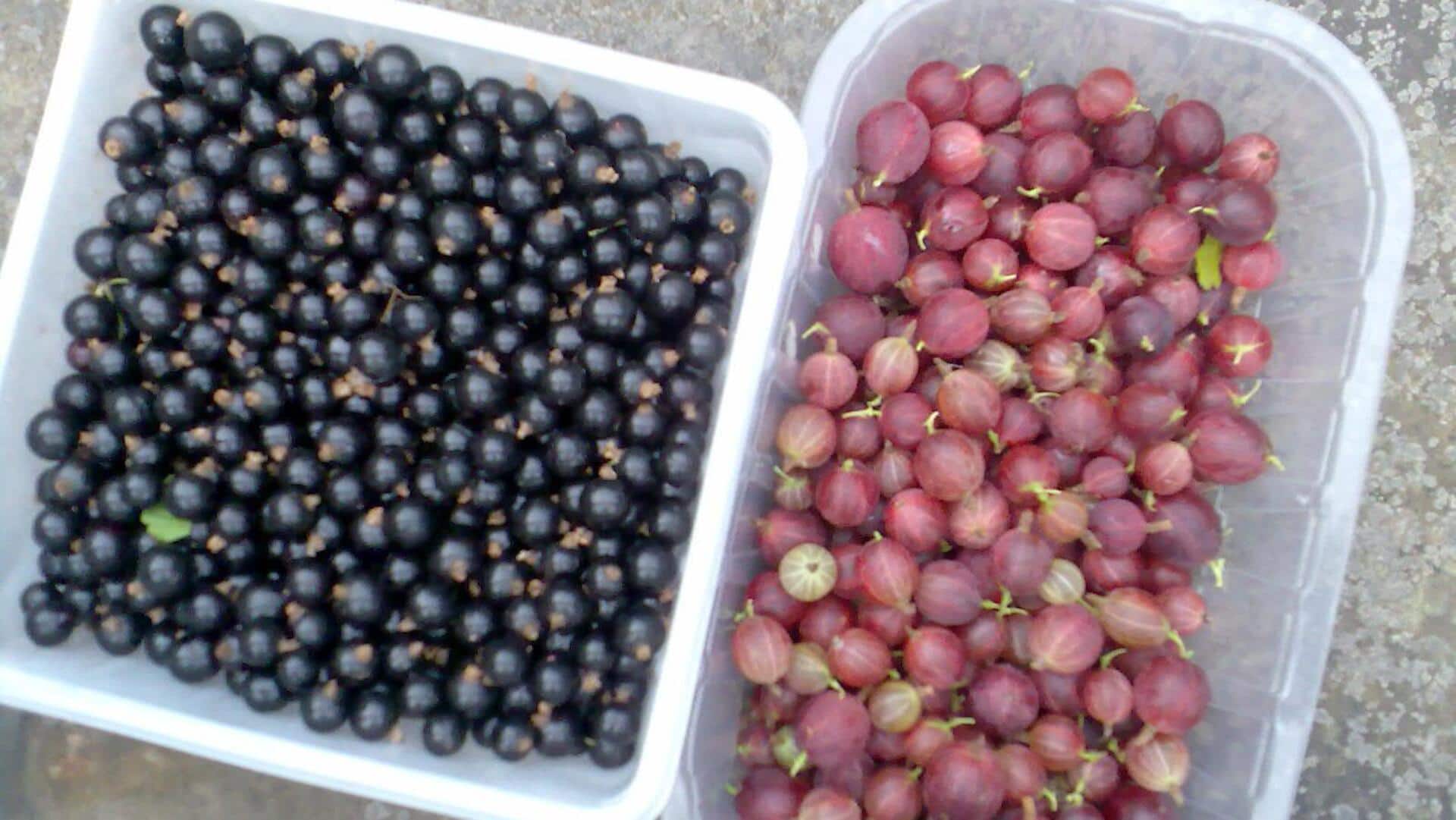
Blackcurrants and gooseberries are two berries known for their vitamin C content. Both the berries are packed with nutrients, making them a great addition to a healthy diet. While blackcurrants are known for their dark color and tangy taste, gooseberries have a more subtle flavor with a hint of tartness. Let's find out how these berries compare in terms of vitamin C content and nutritional benefits.
#1
Vitamin C content in blackcurrants
Blackcurrants are famous for their high vitamin C content. They have about 200 milligrams of vitamin C per 100 grams, which is way more than the daily recommended intake for most adults.
This makes blackcurrants an excellent option for those looking to up their vitamin C intake naturally.
The antioxidants in blackcurrants help in fighting free radicals and promoting overall health.
#2
Gooseberries' nutritional profile
Gooseberries also pack a punch when it comes to nutrition, though their vitamin C content is slightly lower than that of blackcurrants.
They have about 40 milligrams of vitamin C per 100 grams.
Apart from vitamin C, gooseberries also provide dietary fiber and several essential minerals like potassium and magnesium.
These nutrients help in digestion and maintaining healthy bodily functions.
#3
Antioxidant properties of each berry
Both blackcurrants and gooseberries are loaded with antioxidants that help protect the body from oxidative stress.
Blackcurrants are especially rich in anthocyanins, which give them their dark color and contribute to their health benefits.
Gooseberries have other antioxidants such as flavonoids that contribute to their anti-inflammatory properties.
Including either berry in your diet can help improve your antioxidant intake.
Tip 1
Culinary uses for blackcurrants and gooseberries
Blackcurrants are often used in jams, jellies, and sauces due to their strong flavor profile. They can also be added to smoothies or used as toppings on desserts for an extra tangy kick.
Gooseberries can be eaten raw or cooked into pies, crumbles, or compotes because of their balanced tartness when cooked down with sugar or sweeteners.