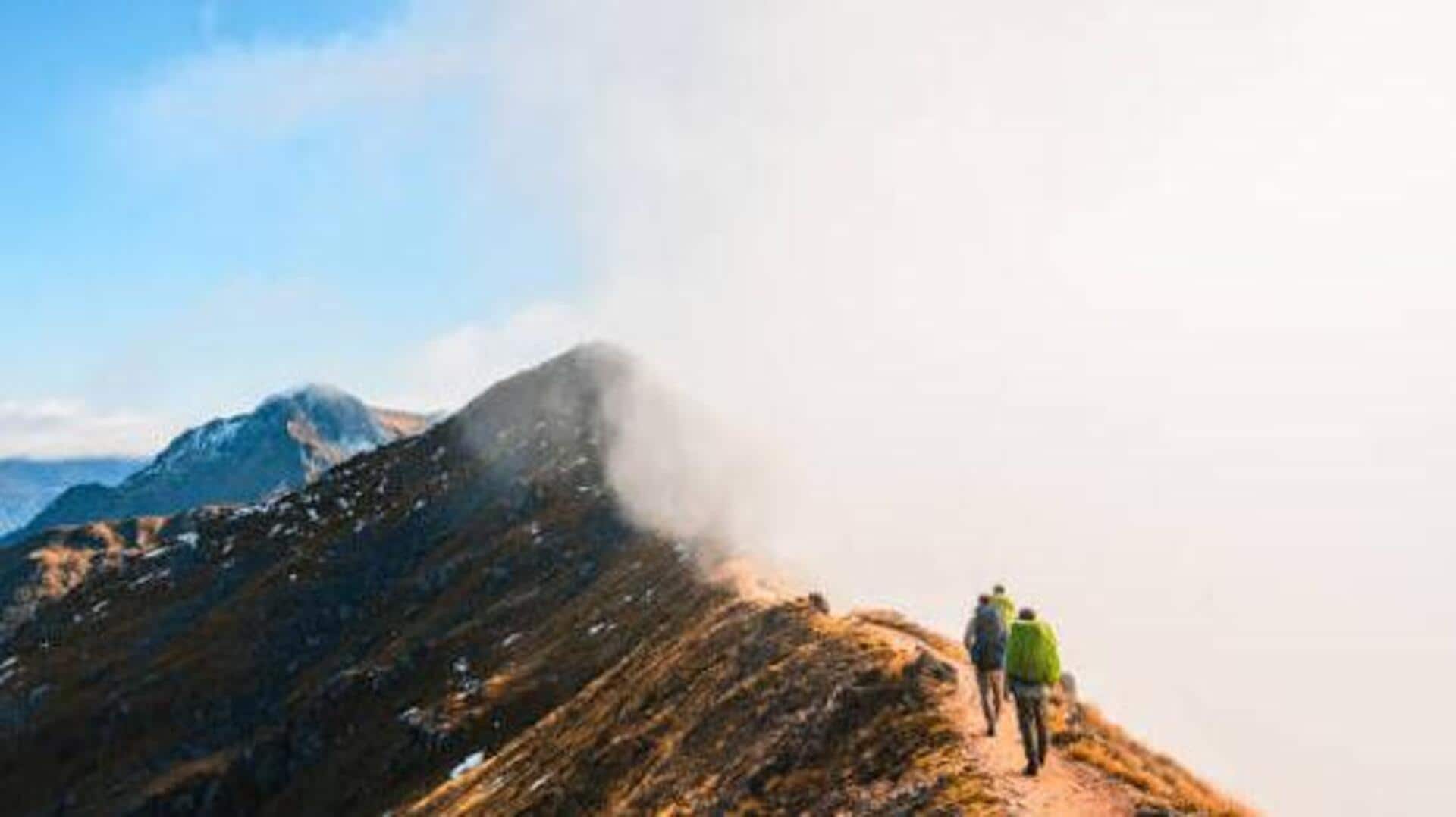
Climbing Mount Kenya: Tips for a safe adventure
What's the story
Mount Kenya, Africa's second highest peak, is a climber's dream. From snow-capped peaks to glaciers, the mountain has everything. But the journey is not easy. Climbers have to deal with unpredictable weather, steep terrains, and altitude sickness. Knowing these challenges can make the climb safer and more enjoyable. Here is what you need to know about climbing Mount Kenya.
#1
Understanding weather patterns
The weather on Mount Kenya can be unpredictable. Climbers often face sudden changes in temperature and precipitation. It is essential to check weather forecasts before the climb. Rain and snow can make trails slippery, and visibility poor. Dressing in layers helps in adapting to changing conditions.
#2
Navigating steep terrains
The terrain on Mount Kenya is steep and rocky, requiring good physical fitness and proper gear. Climbers should be prepared for long hours of hiking each day. Sturdy boots with good grip are essential to prevent slips on rocky paths. Using trekking poles can provide extra support on uneven ground.
#3
Managing altitude sickness
Altitude sickness is a common risk when climbing Mount Kenya due to its high elevation. Symptoms include headaches, nausea, and dizziness as the body struggles with lower oxygen levels at high altitudes. Gradual acclimatization by spending extra time at lower camps before ascending higher can help reduce risks.
#4
Essential gear for safety
Proper gear is crucial for a safe climb up Mount Kenya. Climbers should pack warm clothing, waterproof jackets, gloves, hats, sunscreen, sunglasses, and high-energy snacks or meals for sustenance during hikes. A first aid kit, along with communication devices like satellite phones or radios, would also be wise additions for safety measures while exploring this majestic mountain range.