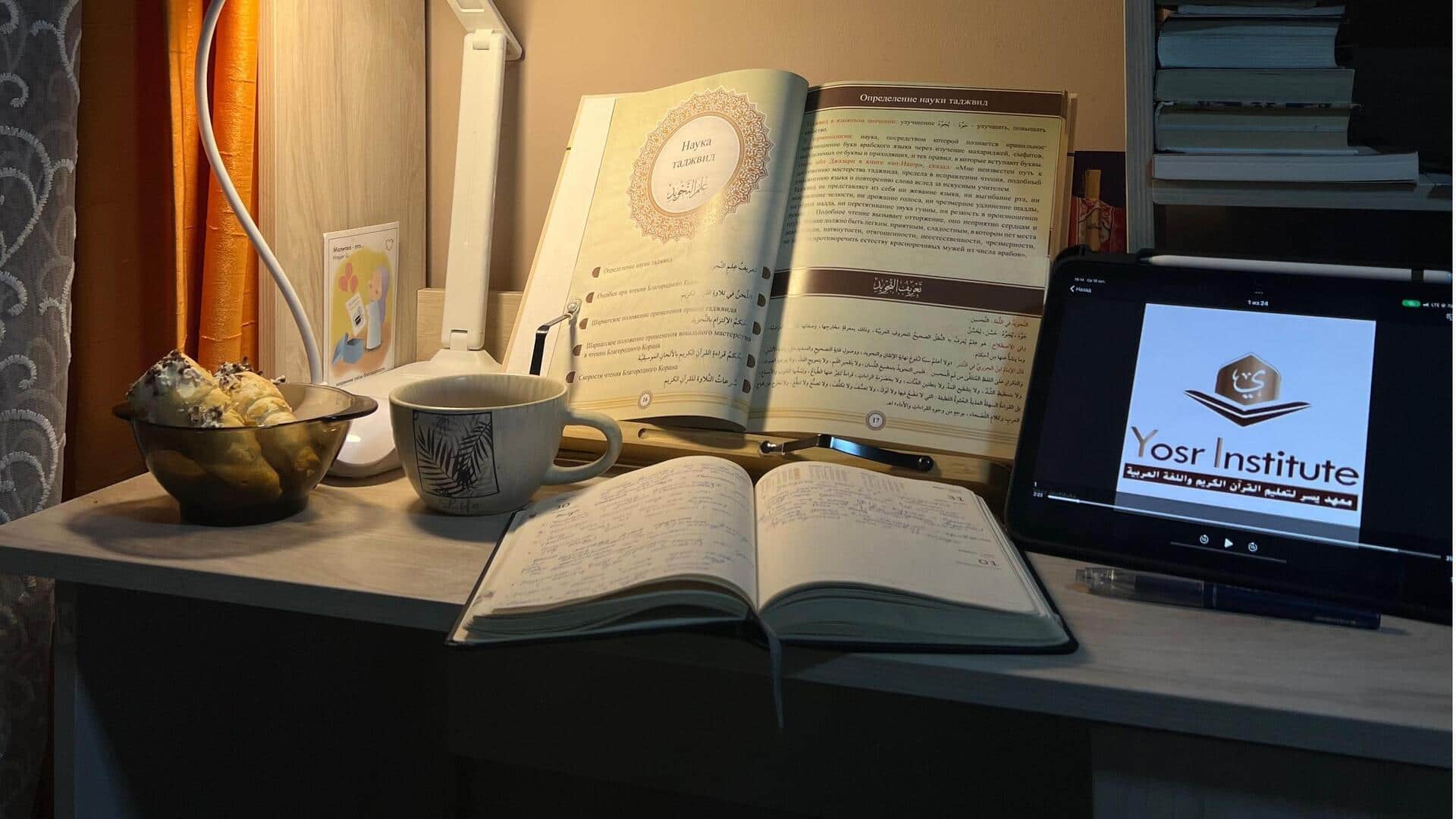
How to create distraction-free study corners at home
What's the story
Creating a distraction-free study corner at home is essential for boosting concentration and productivity. With the right setup, you can transform any space into an effective learning environment. Here are five practical tips to help you design a study area that minimizes distractions and maximizes focus. These insights are based on simple yet effective strategies that anyone can implement without significant investment or effort.
Tip 1
Choose the right location
Selecting the right location is critical in creating a distraction-free study corner. Pick a spot away from high-traffic areas and noise sources like the TV or kitchen. If possible, choose a room with natural light, as it not only brightens up the space but also elevates your mood and concentration levels.
Tip 2
Keep it clutter-free
A cluttered space can lead to a cluttered mind. So, keep your study corner organized by only keeping essentials like books, stationery, and a computer on your desk. Use organizers or shelves to store items neatly, so that you don't get distracted by unnecessary clutter.
Tip 3
Use comfortable furniture
Comfortable furniture is key to staying focused for long hours. Invest in an ergonomic chair that provides good back support and a desk at the right height to avoid strain while working. Comfortable seating ensures you stay focused without physical discomfort pulling your attention away.
Tip 4
Set clear boundaries
Establishing clear boundaries between study time and leisure is key to maintaining focus. Inform family members or housemates about your study hours so they don't disturb you during these times. Use visual cues like "Do Not Disturb" signs if required, to reinforce these boundaries.
Tip 5
Personalize your space wisely
While personalization can make your study corner more inviting, it's important not to overdo it with decorations that could serve as distractions. Choose minimalistic decor items like motivational quotes or plants that add to the ambiance without overwhelming the senses. This way, you create an environment that feels personal yet remains focused on the task at hand.