All about Ethiopian Harrar basketry
What's the story
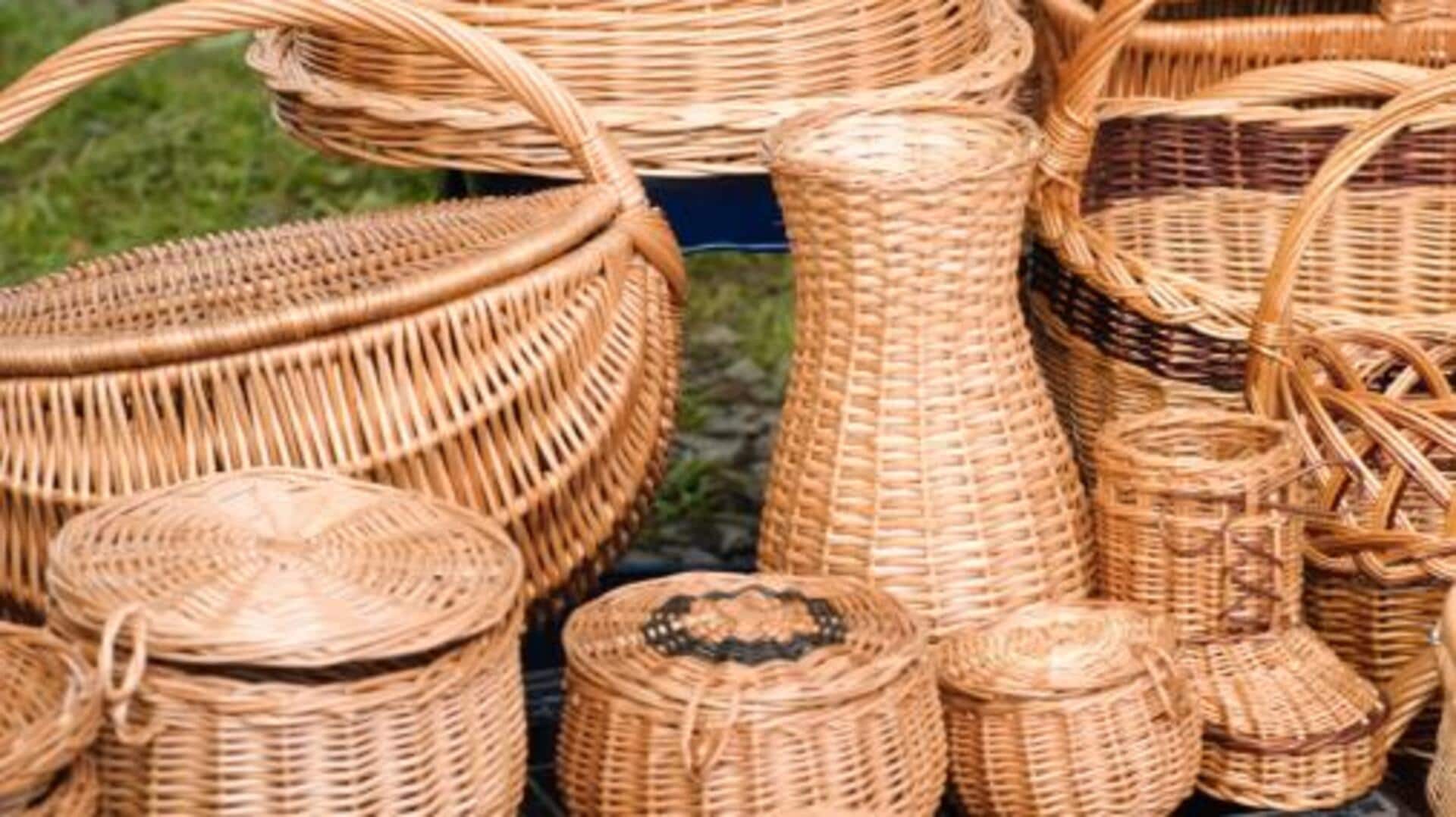
Ethiopian Harrar basketry is a traditional craft that has been passed down through generations. These baskets are not just functional but also serve as a testament to the rich cultural heritage of the region. Known for their intricate designs and durability, Harrar baskets are made from natural fibers and dyed with vibrant colors. They are used in various aspects of daily life, from storage to decoration, showcasing the versatility and artistry involved in their creation.
Weaving techniques
The art of basket weaving
Basket weaving in Harrar employs age-old techniques that have been honed over centuries.
Artisans use locally sourced materials such as grasses and reeds, which are both sustainable and durable.
The process involves careful selection of materials, meticulous weaving, and dyeing with natural colors.
Each basket is a product of skillful craftsmanship, reflecting the unique style of its maker.
Cultural heritage
Cultural significance of Harrar baskets
Harrar baskets are more than just everyday items; they are an integral part of Ethiopian culture.
They are used in ceremonies, festivals, and as gifts to symbolize goodwill and friendship.
The designs often carry cultural motifs that tell stories or represent community values.
This cultural significance makes them cherished possessions among locals and collectors alike.
Community development
Economic impact on local communities
The production of Harrar baskets provides income to many families in Ethiopia. By selling their crafts at local markets or exporting them abroad, artisans contribute to community development.
The demand for these baskets supports sustainable livelihoods while preserving traditional skills.
Efforts are also being made to promote fair trade practices to ensure fair compensation for artisans.
Contemporary designs
Modern adaptations and global appeal
While staying true to traditional methods, modern adaptations have made Harrar baskets appealing to a global audience.
Designers incorporate these baskets into contemporary home decor, blending cultural heritage with modern aesthetics.
This has opened up new markets for artisans while keeping the essence of this age-old craft alive.