Discovering Africa's most famous weaving hubs
What's the story
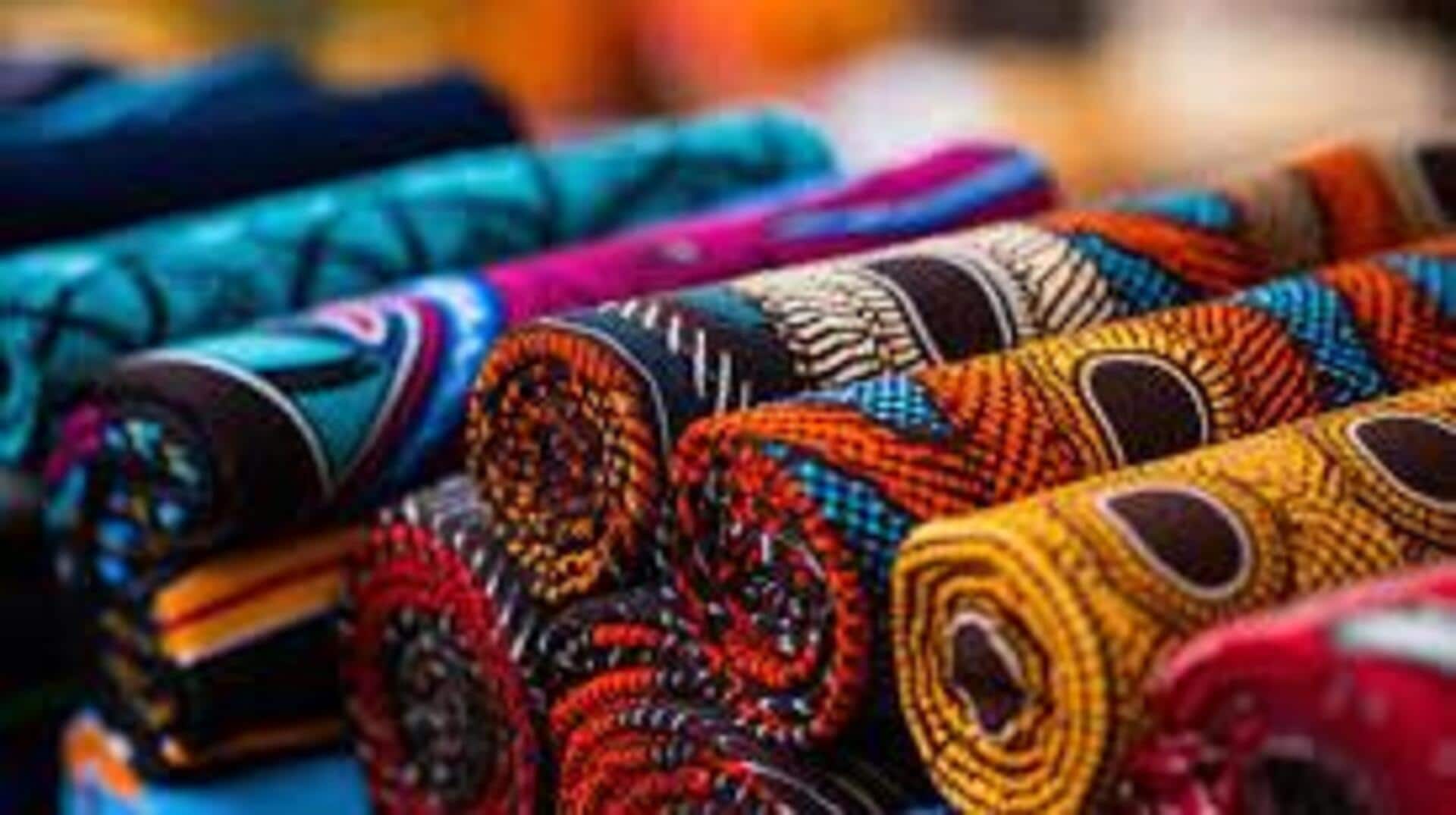
African weaving hubs are where traditional techniques are preserved and innovative designs are created. From vibrant patterns to intricate designs, each region has something unique to offer. Exploring these hubs gives you an insight into the craftsmanship and creativity that goes into making African textiles. Here are five such hubs that stand out for their unique contributions to the world of weaving.
#1
Kente weaving in Ghana
Kente weaving is an iconic textile art from Ghana. The colorful cloth is made using silk and cotton, and is famous for its intricate patterns and symbolism.
The Ashanti region is particularly famous for its kente cloth, which is used in ceremonies and celebrations.
Each pattern has a meaning, making kente not just a visual delight but also a cultural narrative.
#2
Aso oke production in Nigeria
Aso oke is a traditional Nigerian fabric, mostly worn during important ceremonies like weddings or chieftaincy installations.
The Yoruba people of southwestern Nigeria are famous for producing this hand-woven cloth with a variety of textures and designs.
Aso oke fabrics are made from cotton or silk blends, and are characterized by their bold stripes or geometric patterns.
#3
Mudcloth artistry in Mali
Mudcloth, or bogolanfini, is a Malian textile made by dyeing cotton fabric with fermented mud.
This ancient art form is characterized by its earthy tones and geometric motifs, which are inspired by nature and daily life.
The Bamako region is famous for its mudcloth artisans who continue to practice this traditional craft while introducing modern twists.
#4
Raffia weaving in Madagascar
Raffia weaving is a specialty of Madagascar, where palm leaves are used to create beautiful textiles.
The island's coastal communities are known for their skillful craftsmanship, which results in lightweight yet durable fabrics, perfect for clothing or decorative items alike.
Raffia pieces often display vibrant colors, reflecting local flora or fauna.
#5
Shweshwe fabric production in South Africa
Shweshwe fabric has become synonymous with South African culture, especially among Xhosa women, who wear it on traditional attire like dresses or head wraps during cultural events such as weddings or graduations.
Originally imported from Europe centuries ago, shweshwe has evolved into its own distinct style, featuring repetitive patterns printed onto indigo-dyed cotton cloths, providing endless possibilities when it comes to fashion design today.