
Forward v/s side lunges: Which is better for lower-body strength
What's the story
Forward lunges and side lunges are two popular exercises that target different muscle groups in the lower body. Both movements are effective for building strength and improving balance, but they engage muscles in different ways. Knowing the differences can help you choose the right exercise for your fitness goals. Here, we explore the unique benefits of each lunge variation and how they contribute to overall lower body strength.
#1
Targeting quadriceps with forward lunges
Forward lunges primarily target the quadriceps, the muscles at the front of your thighs. As you step forward, these muscles work hard to keep you balanced and push you back to the starting position. This movement mimics walking or running, making it a functional exercise for daily activities. Including forward lunges in your routine can improve your knee stability and enhance athletic performance.
#2
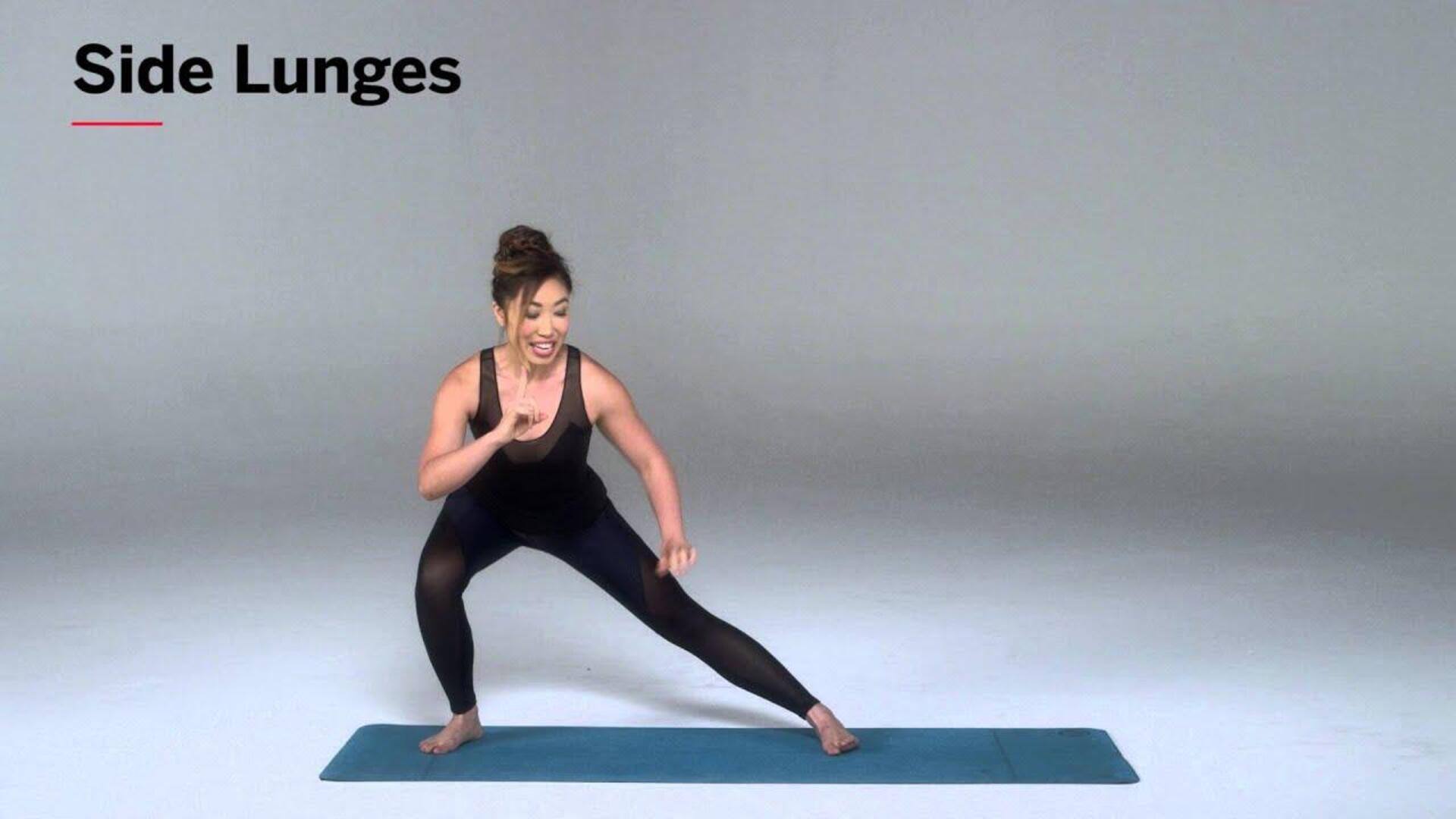
Engaging inner thighs with side lunges
Side lunges are great for working the inner thigh muscles, aka adductors. By stepping out to the side, you stretch and strengthen these muscles more than traditional forward movements. This variation is particularly useful for sports that require lateral movement or any activity that involves changing direction quickly. Strengthening the inner thighs can help prevent injuries and improve overall leg stability.
#3
Enhancing glute activation in both variations
Both forward and side lunges engage the glutes, but in different ways. Forward lunges activate the glutes as you push off from the back leg, while side lunges engage them throughout the movement as you lower into a squat-like position. Incorporating both types into your workout can ensure comprehensive glute development, contributing to better posture and increased power during physical activities.
Tip 1
Improving balance with dynamic movements
Both forward and side lunges improve balance by requiring core engagement and coordination between upper and lower body parts. The dynamic nature of these exercises challenges stabilizing muscles around joints like ankles, knees, hips, etc., improving proprioception over time if practiced regularly as part of a balanced fitness regimen focused on overall body conditioning rather than isolated muscle group training alone.