Things to know before buying organic grains
What's the story
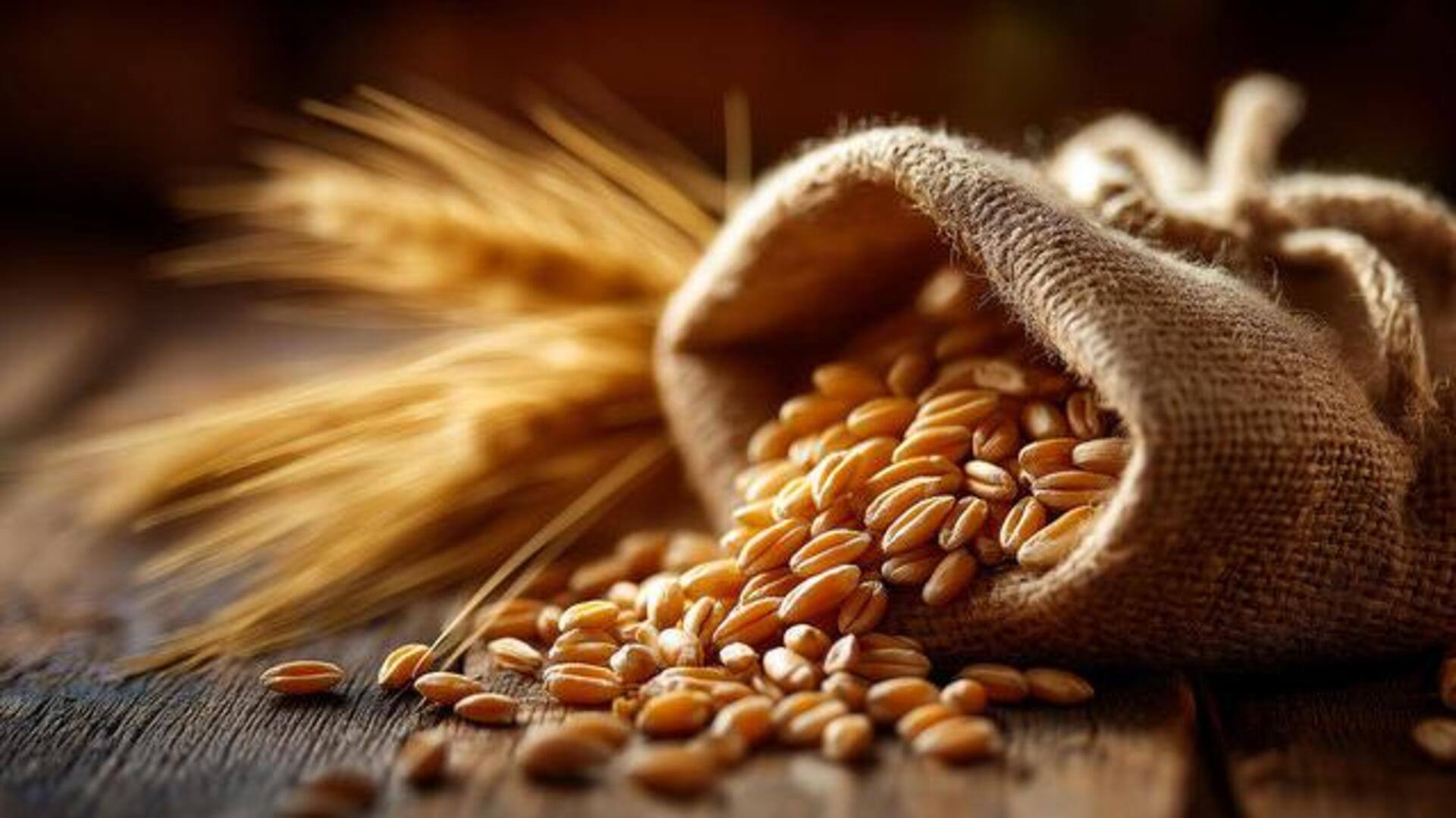
African organic grains are becoming increasingly popular for their nutritional benefits and sustainable farming practices. These grains are not only healthy but also support local economies. Buying these grains can be a rewarding experience, both for your health and the environment. Here are some practical tips to help you purchase African organic grains efficiently, ensuring quality and freshness while supporting ethical sourcing.
Grain varieties
Understand different grain types
African organic grains come in various types such as millet, sorghum, teff, and fonio.
Each grain has its own nutritional profile and culinary uses.
Knowing the difference can help you choose the right one for your dietary needs or cooking preferences.
For example, while millet is great for porridge, teff makes an excellent base for bread.
Researching these differences will help you make informed choices.
Certification awareness
Check certification labels
When buying organic grains, it is important to check certification labels.
These labels assure that the grains have been grown without synthetic pesticides or fertilizers and adhere to organic farming standards.
In many countries, certification bodies such as USDA Organic or EU Organic provide these labels.
Checking these certifications guarantees the authenticity of the organic claims and supports sustainable agriculture practices.
Market insights
Explore local markets
Local markets are often the best places to find fresh African organic grains.
They not only provide an opportunity to interact directly with farmers or vendors but also to learn about the sourcing and cultivation methods of the products.
Plus, buying from local markets usually means fresher produce compared to supermarket chains where products may have been stored longer.
Bulk buying benefits
Consider bulk purchases
Buying in bulk can be a cost-effective way to stock up on African organic grains.
Many suppliers offer discounts for larger quantities, making it economical for regular consumers or those with big families.
However, ensure that you have proper storage facilities at home to keep the grains fresh over time, as some may have a shorter shelf life than others.
Price comparison tips
Compare prices online
Online platforms provide a convenient way to compare prices of African organic grains from different suppliers. This way, you can find the best deals without compromising on quality.
While comparing prices online, consider shipping costs as they can affect the total price significantly.
Some websites even provide customer reviews, giving you insights into product quality before making a purchase decision.