How to make quilts from recycled fabric
What's the story
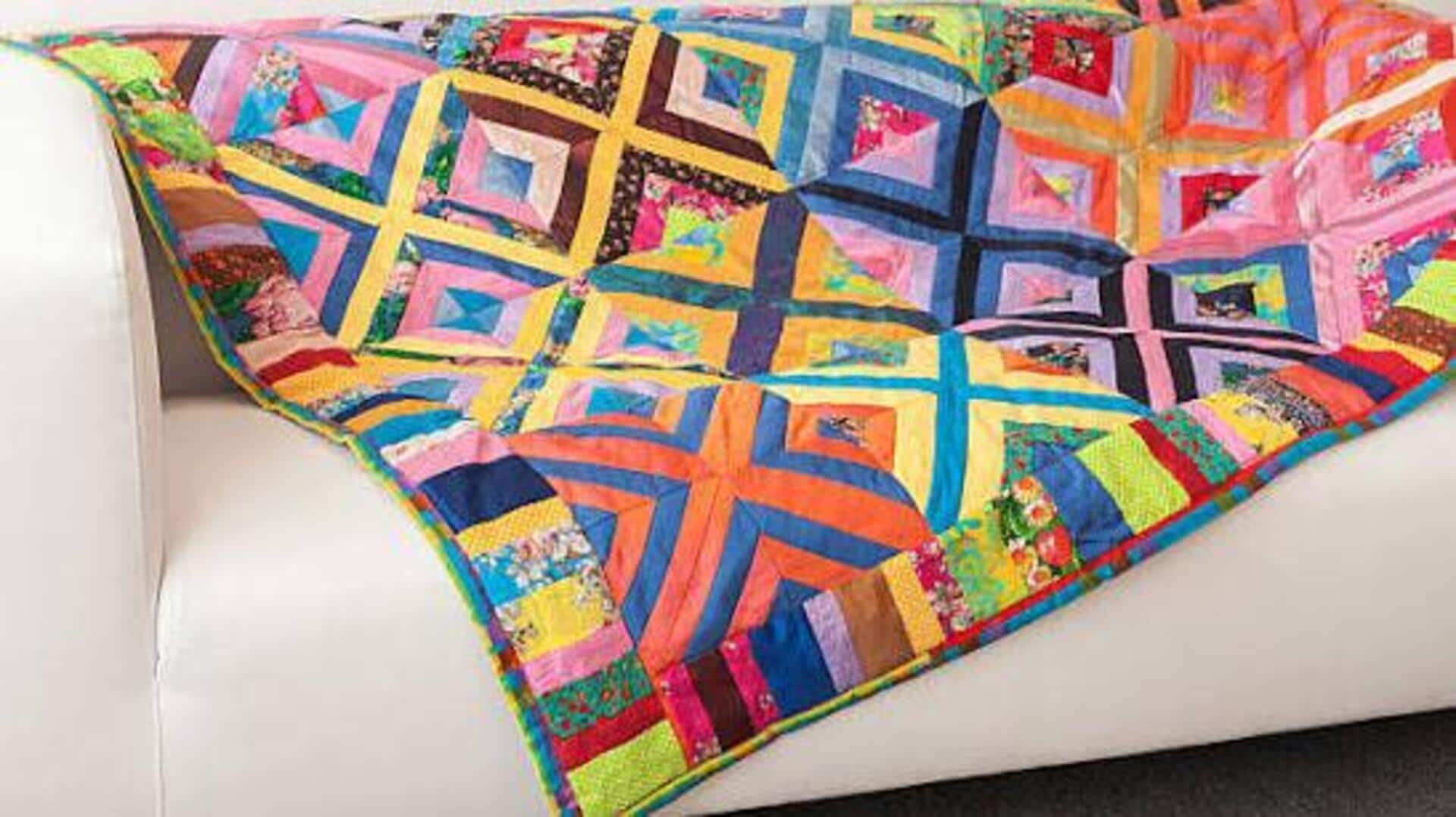
African quilts, with their vibrant patterns and rich cultural history, make for a unique craft. Using recycled fabric, you can create these beautiful quilts while also promoting sustainability. Not only does this practice help reduce waste, but it also encourages creativity and resourcefulness. By repurposing old textiles, you can craft stunning quilts that pay homage to African traditions. Here are some practical insights into making African quilts from recycled fabric.
Fabric selection
Choosing the right fabrics
Selecting the right fabrics is key to making an authentic African quilt.
Look for brightly colored materials with traditional patterns like kente or ankara designs.
Old clothes, bed linens, or curtains can be great sources of fabric.
Make sure the fabrics are clean and in good condition before using them in your quilt project.
Pattern design
Designing your quilt pattern
Designing a pattern is essential to give your quilt character.
African quilts often feature geometric shapes and symmetrical designs.
Sketch out your pattern on paper before you start cutting the fabric pieces.
This will help you visualize how the different colors and patterns will come together in the final piece.
Fabric preparation
Cutting and preparing fabric pieces
Once you have finalized your design, it's time to cut the fabric pieces accordingly.
Use sharp scissors or a rotary cutter for clean edges.
Iron each piece flat to remove wrinkles before assembling them into your quilt top.
This step ensures that each piece fits together neatly when sewn.
Quilt assembly
Assembling your quilt top
Start by sewing together smaller sections of your chosen design before joining them into larger blocks or rows.
Use a sewing machine for efficiency, but hand-stitching can add a personal touch if preferred.
Pay attention to seam allowances, as they affect how well pieces align during assembly.
Quilting methods
Quilting techniques for durability
To ensure durability in your finished product, consider different quilting techniques, like tying or stitching in the ditch (sewing along existing seams).
These methods secure layers together effectively without compromising on the overall aesthetic appeal of the quilted surface area.