Feeling overwhelmed? Try these ways to calm your mind
What's the story
Sensory deprivation is a technique that involves reducing sensory input to the brain, usually by isolating oneself from external stimuli. This method has gained popularity as a means to manage anxiety. By limiting distractions and promoting relaxation, sensory deprivation can help individuals find calmness and clarity. Here are five ways to use this technique effectively for anxiety management.
Tip 1
Floatation tanks for relaxation
Floatation tanks, or sensory deprivation tanks, are enclosed spaces filled with highly salted water, allowing you to float effortlessly.
The tanks block out light and sound, creating an environment where you can relax deeply.
This isolation helps reduce stress levels by minimizing external distractions.
Regular sessions in a flotation tank can improve your mood and lower anxiety symptoms.
Tip 2
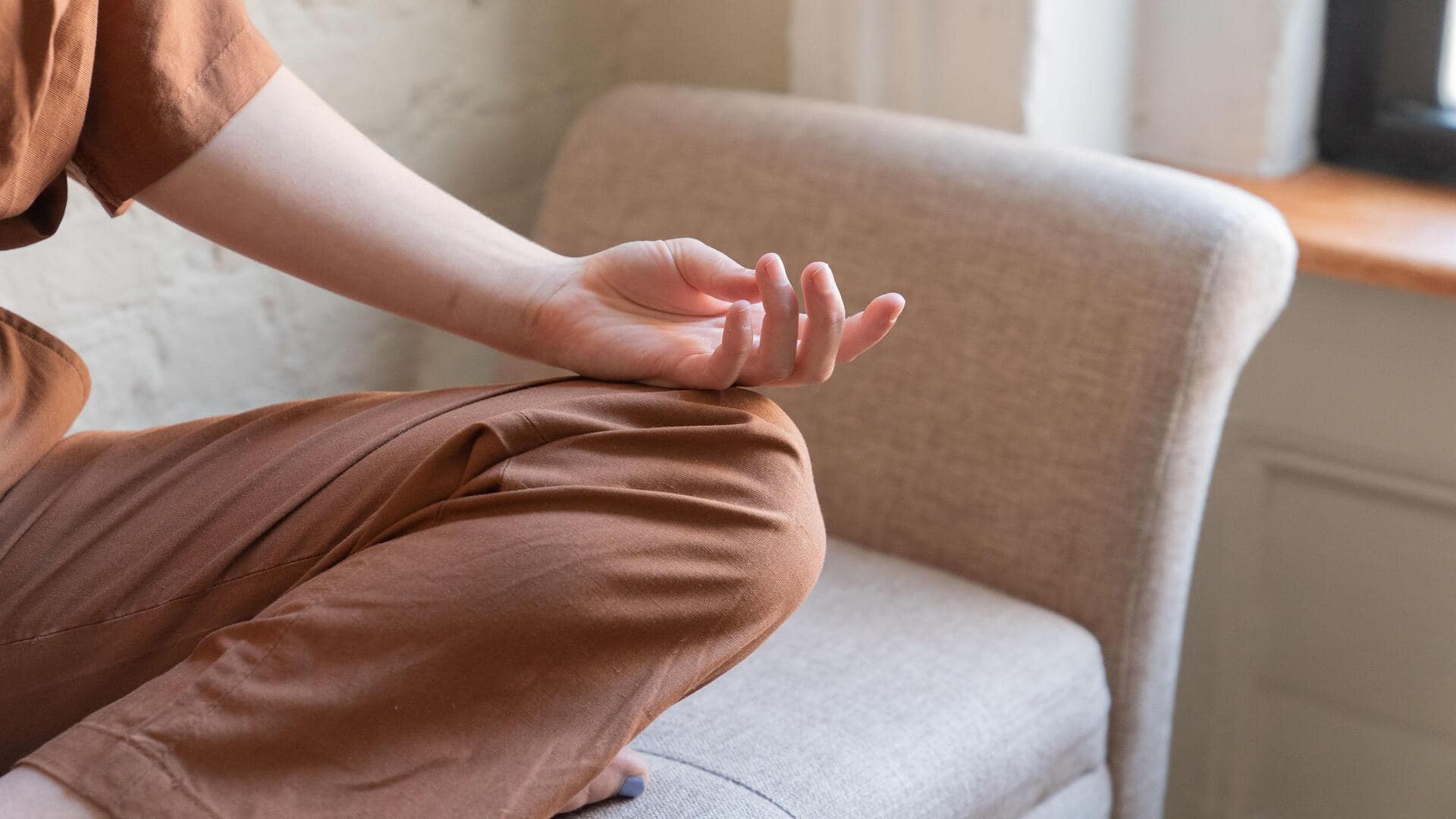
Meditation in quiet spaces
Meditation in quiet spaces is another effective way of sensory deprivation.
By meditating in a calm environment, you can focus on your breathing and thoughts without any distractions.
This practice helps clear your mind and reduces anxiety by promoting mindfulness.
Even short meditation sessions can have a significant impact on mental well-being.
Tip 3
Noise-canceling headphones for focus
Noise-canceling headphones are great for creating an auditory barrier from the outside world.
By blocking out background noise, these headphones allow you to concentrate on calming sounds or silence, depending on your preference.
Listening to soothing music or nature sounds through these headphones while relaxing or working can help reduce stress levels.
Tip 4
Dark rooms for visual rest
Spending time in dark rooms offers visual rest by eliminating bright lights and visual clutter.
This practice is particularly useful for individuals who are overstimulated by their surroundings.
A dark room provides the opportunity to unwind and collect your thoughts without any visual distractions that may trigger anxiety.
Tip 5
Controlled breathing techniques
Controlled breathing techniques are essential for sensory deprivation practices.
By concentrating on deep, even breaths, you can calm your nervous system and reduce anxiety.
These techniques are particularly effective when practiced in quiet or dark environments, where external stimuli are limited, allowing you to focus entirely on the calming rhythm of your breath.
This method is a simple yet powerful tool for managing anxiety.