How VR is redefining textile art
What's the story
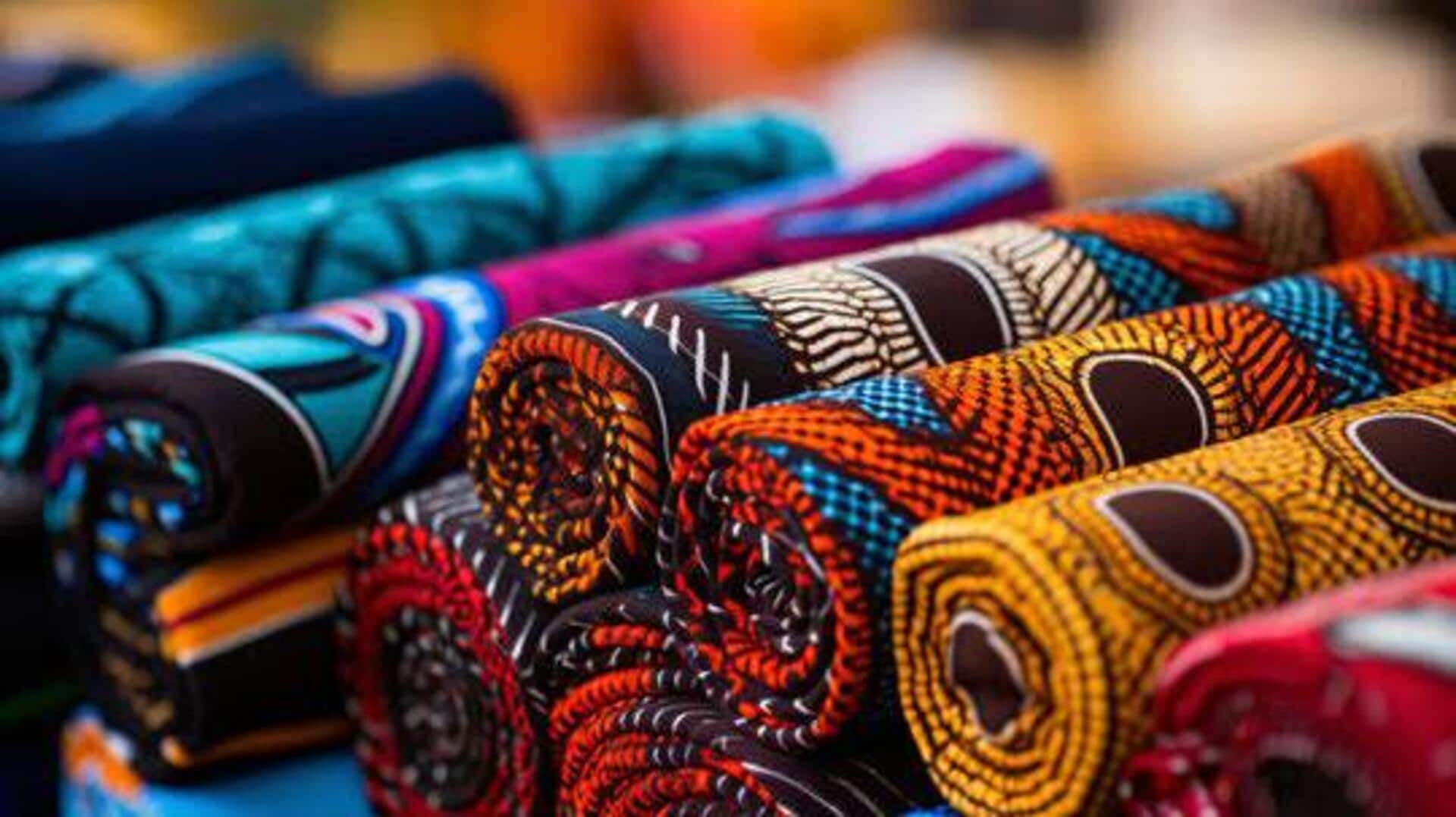
Virtual reality (VR) is transforming the way we experience and appreciate African textile art. By immersing users in interactive environments, VR allows for a deeper understanding and appreciation of the rich cultural heritage these textiles represent. From vibrant patterns to intricate designs, African textiles tell stories that are now more accessible than ever through this innovative technology. Here are five ways VR is reshaping the world of African textile art.
#1
Immersive cultural experiences
VR provides an immersive cultural experience that enables users to explore African textile art in its authentic context.
Through virtual tours, users can visit galleries and museums housing these artworks, all from the comfort of their homes.
This accessibility helps bridge geographical gaps and allows a wider audience to engage with the art form.
#2
Interactive learning opportunities
Virtual reality also offers interactive learning opportunities that enhance understanding of African textile art.
Users can learn about different techniques, materials, and historical significance by engaging with interactive elements within the VR environment.
This hands-on approach fosters a deeper connection with the art form, and encourages appreciation among diverse audiences.
#3
Preservation of cultural heritage
VR plays a crucial role in preserving African textile art by digitizing and archiving these works for future generations.
By creating detailed 3D models and virtual replicas, this technology ensures that intricate details are preserved over time.
This preservation effort safeguards cultural heritage against physical deterioration or loss.
#4
Enhanced artistic collaboration
The use of VR also facilitates collaboration among artists, curators, and scholars across the globe.
It allows them to share ideas and techniques in real time, irrespective of their physical location.
This collaborative environment fosters innovation within the realm of African textile art while promoting cross-cultural exchange.
#5
Economic opportunities through virtual markets
Finally, VR opens up new economic opportunities by creating virtual marketplaces for African textile artists.
These platforms allow creators to showcase their work globally without the constraints of traditional market spaces.
By connecting buyers directly with artisans through immersive experiences, VR helps support sustainable economic growth within local communities.