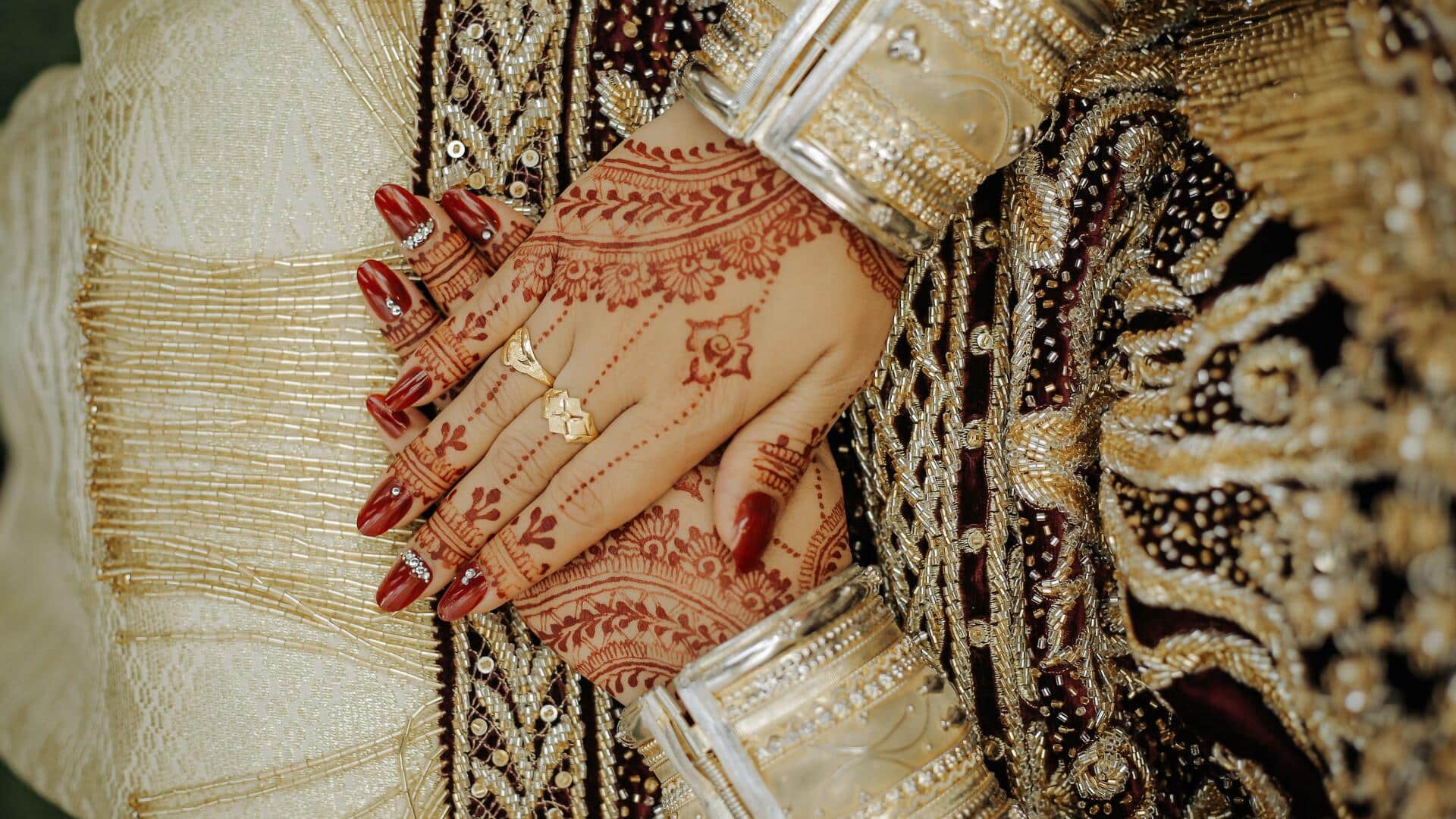
The story behind African mehndi
What's the story
African mehndi, or henna, is a beautiful tradition that has been passed down through generations. It's an art form that uses henna paste to create intricate designs on the skin. Traditionally, it is used during special occasions and celebrations. The patterns can be anything from simple shapes to complex motifs, each one carrying its own cultural significance. This practice is not just about beauty but also about community and heritage.
#1
Cultural significance of mehndi
In many African cultures, mehndi is more than just a decorative art. It symbolizes joy, celebration, and unity.
During weddings and festivals, mehndi ceremonies bring families together to celebrate.
The designs often reflect cultural symbols or personal stories, making each application unique.
This tradition strengthens community bonds and preserves cultural identity through generations.
#2
Techniques used in mehndi application
The application of mehndi requires skill and precision. Artists use a cone filled with henna paste to draw designs on the skin.
The paste needs to stay for several hours for the best color payoff.
Techniques vary from region to region, with some areas favoring detailed patterns while others prefer bold lines or geometric shapes.
#3
Modern adaptations of traditional designs
While traditional mehndi designs are still loved, modern adaptations have also become popular.
Some artists now incorporate contemporary elements like floral patterns or abstract shapes into their work.
These adaptations cater to changing tastes while still respecting the cultural roots of the art form. They allow individuals to express their personal style without losing touch with tradition.
#4
Tips for caring for your mehndi design
To make sure your mehndi design stays vibrant for as long as possible, proper care is essential.
Avoid washing the area with soap or scrubbing it too hard in the first few days after application.
Keep the area moisturized with natural oils like coconut oil or olive oil, which help deepen the color without damaging the design.