How orienteering helps you stay fit and sharp
What's the story
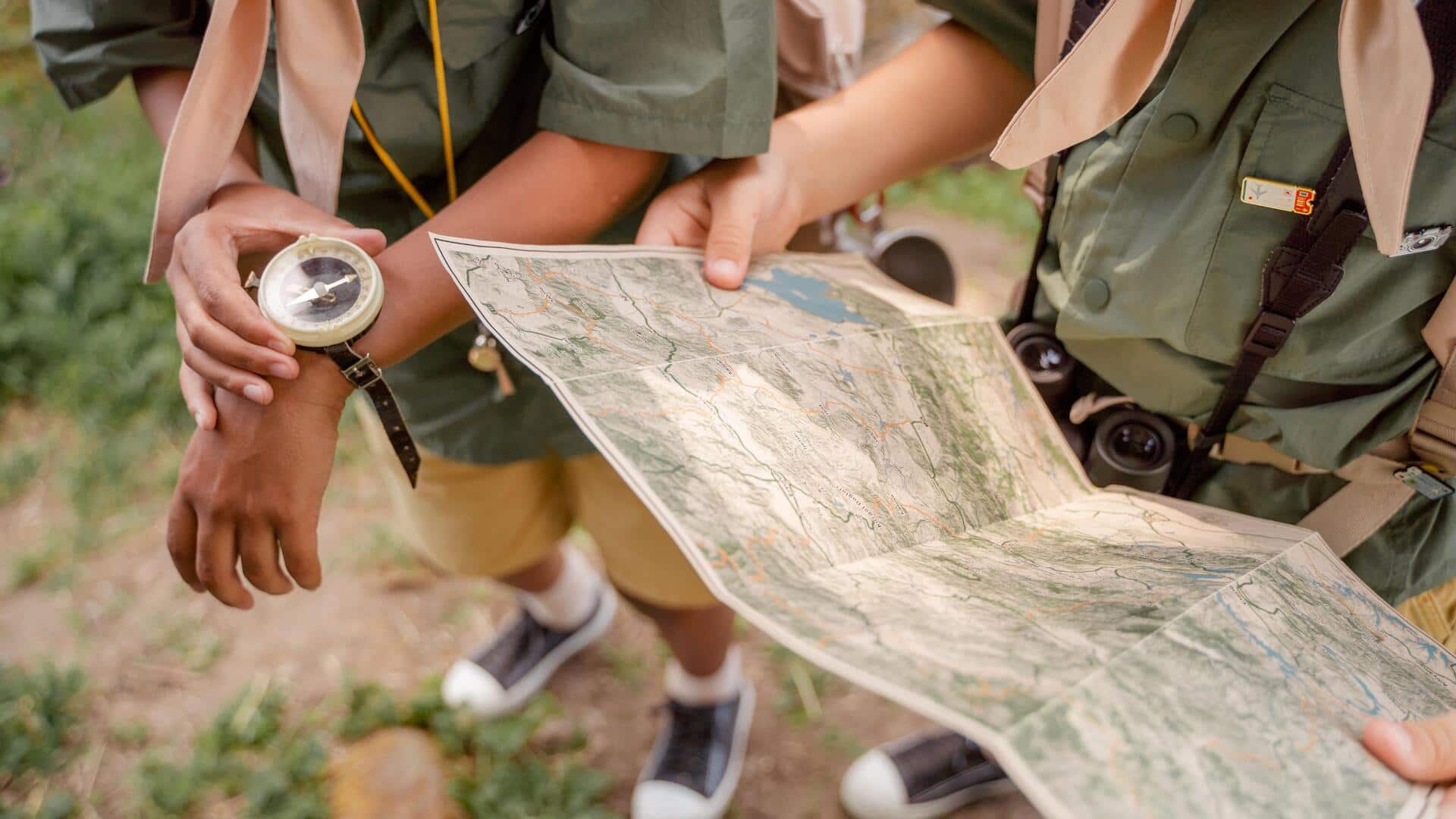
Orienteering is a navigation sport that combines running with map reading and compass skills. While it may seem like a niche activity, orienteering provides a host of health benefits that go beyond physical fitness. This engaging outdoor activity challenges both the body and mind, promoting overall well-being. Here are five health benefits of orienteering that highlight its unique contributions to physical and mental health.
#1
Enhances cardiovascular fitness
Orienteering involves moving through diverse terrains at different speeds, which is a great way to improve cardiovascular health.
The constant changes in pace and elevation challenge the heart and lungs, resulting in improved endurance over time.
Participants often find their stamina increasing as they regularly engage in this activity, making it an excellent choice for those looking to boost their cardiovascular fitness.
#2
Boosts mental agility
Navigating through unfamiliar terrain requires sharp mental focus and quick decision-making skills.
Orienteering challenges participants to think critically under pressure, enhancing cognitive functions such as problem-solving and spatial awareness.
This mental workout can lead to improved cognitive flexibility and better overall brain health.
#3
Promotes stress reduction
Spending time outdoors while engaging in orienteering can significantly reduce stress levels.
The combination of physical exertion and exposure to nature has been proven to lower cortisol levels, the hormone associated with stress.
Participants often report feeling more relaxed and rejuvenated after completing an orienteering course.
#4
Encourages social interaction
Orienteering is often done in groups or teams, which encourages social interaction and teamwork.
Be it strategizing on routes or just enjoying the experience together, participants develop camaraderie and communication skills.
These social aspects can lead to stronger relationships and a sense of community among those who share this interest.
#5
Improves balance and coordination
Navigating through diverse terrains in orienteering requires a lot of balance and coordination.
Participants have to move through obstacles, uneven ground, and make quick directional changes, all of which improve their motor skills.
Over time, this leads to better body control, agility, and a reduced risk of falls or injuries in daily life activities.