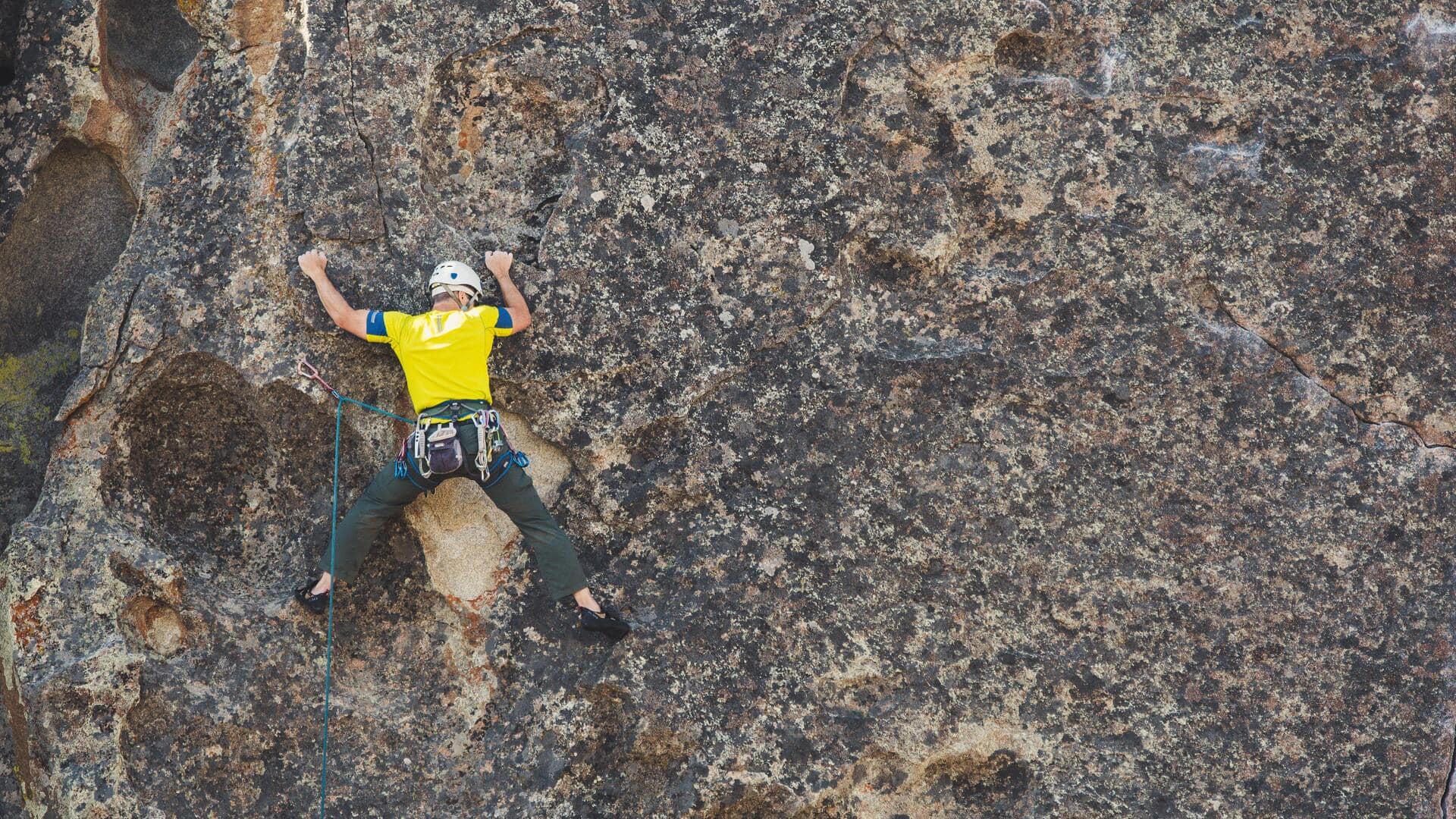
Which is tougher: Rock climbing or bouldering?
What's the story
Rock climbing and bouldering are two popular activities that challenge climbers physically and mentally. Both sports require a high level of upper body strength, but they do so in different ways. While rock climbing typically involves longer routes with the use of ropes, bouldering focuses on shorter, more intense climbs without harnesses. Understanding these differences can help climbers choose the right sport for their fitness goals and preferences.
Grip strength
Grip strength in climbing v/s bouldering
Grip strength is crucial in both rock climbing and bouldering. However, the nature of climbs in each sport affects how this strength is developed.
Rock climbers often use various holds over longer routes, which can improve endurance and versatility in grip techniques.
Bouldering, with its short but intense problems, emphasizes maximum grip power over sustained periods.
ARM Endurance
ARM Endurance: A key difference
Arm endurance is another critical factor where rock climbing and bouldering differ.
Since rock climbers spend more time on longer routes, they need better endurance to keep their arms from getting fatigued. This is essential for maintaining performance on multi-pitch climbs or extended ascents.
Bouldering focuses on short bursts of energy, demanding high levels of power and quick recovery between attempts.
Shoulder strength
Shoulder strength development
Shoulder strength is essential for both sports, but it is developed differently depending on the type of climbing.
Rock climbers use a variety of movements that engage the shoulders over longer periods, building overall shoulder stability and strength.
Bouldering's dynamic moves require explosive shoulder power, enhancing muscle recruitment for short periods.
Core stability
Core stability: A common requirement
Core stability is essential in both rock climbing and bouldering, as it helps maintain balance and control during climbs.
While both sports require core engagement to a great extent, rock climbers may find themselves relying on their cores for longer stretches due to extended movements on vertical surfaces.
Bouldering's intense problems require quick shifts in body position, putting more emphasis on core activation during brief but demanding efforts.