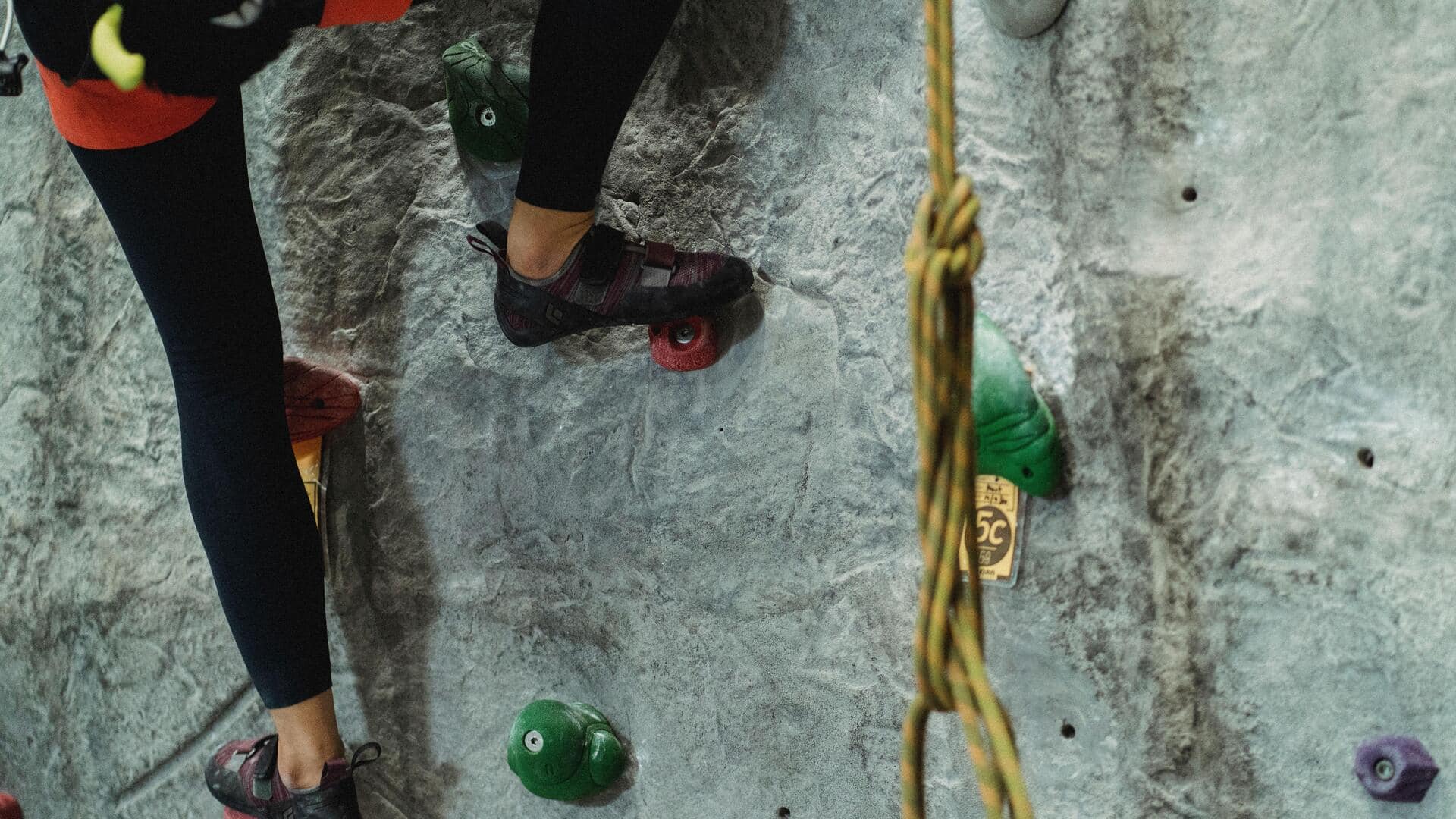
Running or climbing? Which is gentler on your joints
What's the story
Both running and climbing are popular forms of exercise, but they put different kinds of stress on the joints. While running is a high-impact activity that can strain the knees and ankles, climbing is a low-impact exercise that works the muscles without putting too much pressure on the joints. Here is a look at how each activity affects joint health, and which is better for you.
#1
Impact on knees and ankles
Running usually involves repetitive impact on the knees and ankles, which can lead to joint pain or injury over time.
The constant pounding on hard surfaces may exacerbate existing conditions like arthritis or cause new injuries.
On the other hand, climbing involves more controlled movements, with less impact on these joints, making it a gentler option for those concerned about joint health.
#2
Muscle engagement differences
Climbing engages multiple muscle groups at once, offering a full-body workout without the same level of stress as running.
It strengthens muscles in the arms, back, and core while promoting flexibility and balance.
Running primarily targets lower body muscles such as calves and thighs, but may not provide the same level of overall muscular engagement as climbing.
#3
Cardiovascular benefits comparison
Both activities offer cardiovascular benefits but do so in different ways.
Running is known for its ability to quickly elevate heart rate and improve cardiovascular endurance over time.
Climbing also provides a good cardio workout by keeping the heart rate up during climbs, but may not yield the same immediate effects as running due to its varied intensity levels.
#4
Risk of injury analysis
While both activities have their own risk of injury, they are different in nature.
Running injuries are often related to overuse or impact, like shin splints or runner's knee, while climbing injuries are usually due to falls or overexertion, like sprains or strains.
Understanding these risks can help you choose an activity that aligns with your fitness goals and lifestyle preferences.