How to start a plant-based diet for beginners
What's the story
Adopting a plant-based lifestyle can be a rewarding journey toward better well-being. For beginners, it is important to start with simple changes that can be easily integrated into daily routines. These changes not only promote health but also contribute to a sustainable environment. By focusing on gradual adjustments, individuals can enjoy the benefits of a plant-based diet without feeling overwhelmed. Here are five beginner-friendly changes to consider.
Tip 1
Start with meatless Mondays
Start your week with a meatless Monday. This simple change encourages you to explore a variety of plant-based meals, reducing your reliance on animal products. It also gives you a chance to experiment with different grains, legumes, and vegetables. By dedicating one day a week to meatless meals, you can gradually adapt your palate and discover new favorite dishes without making drastic dietary changes.
Tip 2
Incorporate more fruits and vegetables
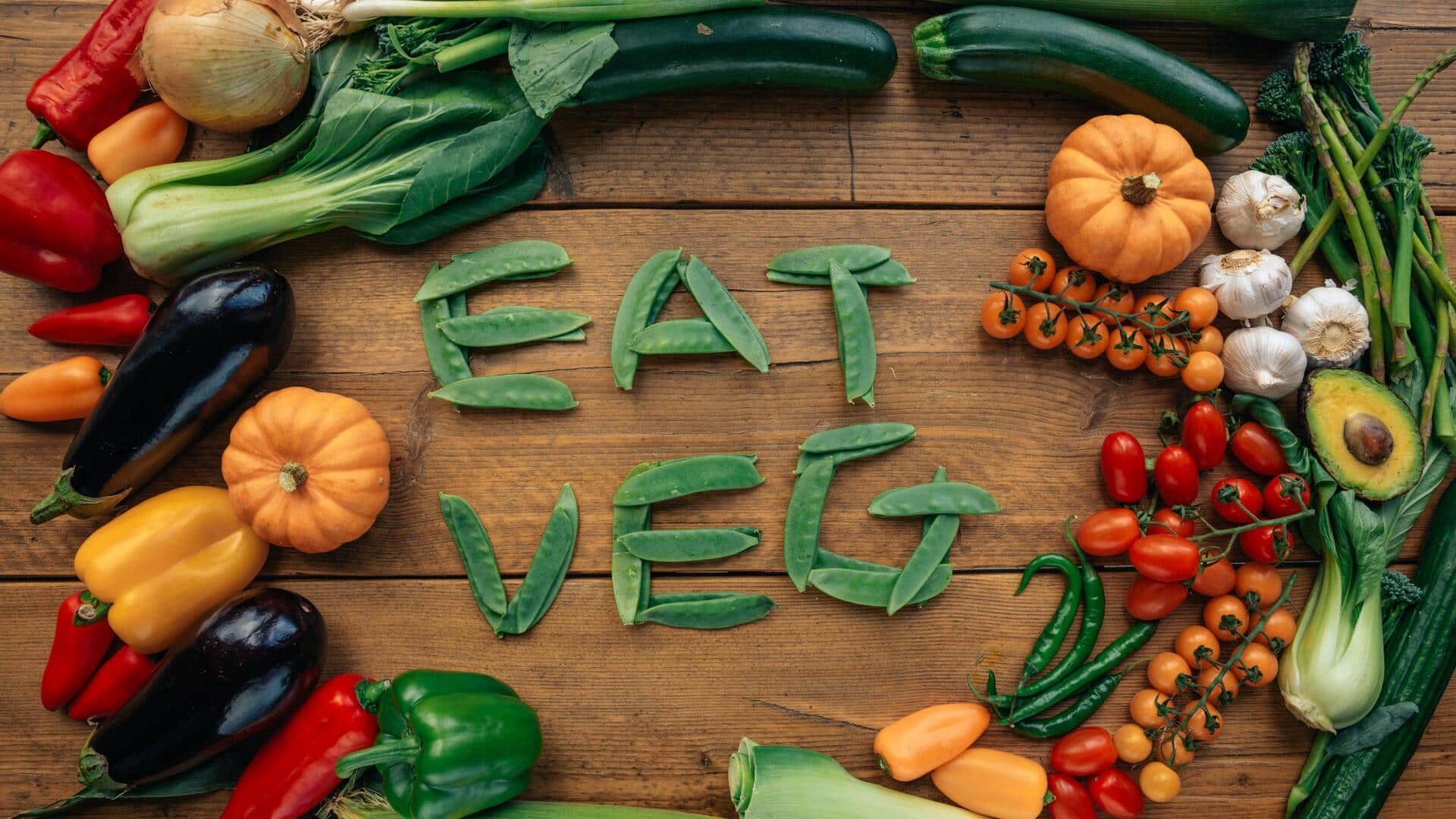
Increasing your intake of fruits and vegetables is key to embracing a plant-based lifestyle. Aim for at least five servings of different fruits and vegetables each day. They are packed with essential vitamins, minerals, and antioxidants that promote overall health. Adding more colorful produce to your meals not only boosts nutrition but also adds variety and flavor to your diet.
Tip 3
Explore plant-based proteins
Replace traditional protein sources like dairy with plant-based alternatives such as beans, lentils, tofu, and nuts. These foods are rich in protein and other nutrients that support muscle health and energy levels. Experimenting with different plant proteins can help diversify your meals while ensuring you meet your nutritional needs without animal products.
Tip 4
Choose whole grains over refined ones
Switching from refined grains like white rice or pasta to whole grains such as brown rice or quinoa can make a huge difference in your health. Whole grains are richer in fiber, which promotes digestion and keeps you full longer than refined grains. This simple switch can help you maintain a healthy weight and lower your risk of chronic diseases.
Tip 5
Hydrate with water or herbal teas
Staying hydrated is important when switching to a plant-based diet. Water should be your go-to drink, as it has no calories or sugar. Herbal teas are a great alternative if you want some variety in your hydration routine, without any caffeine or added sugars, which are often found in other beverages like sodas or juices.