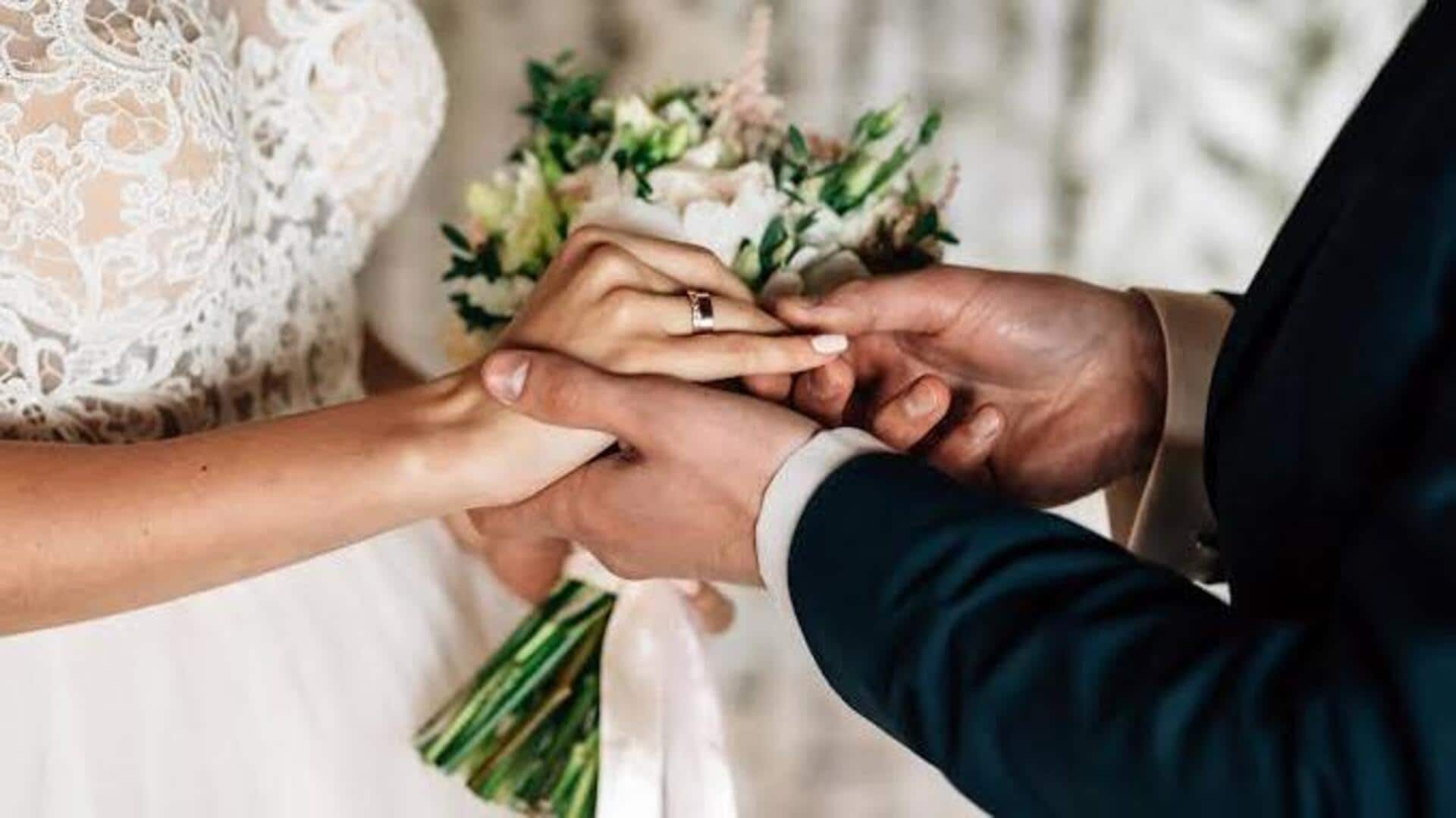
The ransom bride: A Slovenian wedding custom
What's the story
Slovenia has a unique wedding tradition called the "ransom bride" custom. This age-old practice involves the groom paying a symbolic ransom to the bride's family before they tie the knot. The tradition is rooted in history and cultural significance, giving a glimpse of Slovenia's rich heritage. Despite modern times, this custom continues to intrigue and attract attention for its distinctiveness and cultural value.
#1
Historical roots of the tradition
The "ransom bride" custom dates back centuries when marriages were often seen as alliances between families.
The practice served as a way for grooms to prove their commitment and willingness to support their future wives.
Historically, the ransom could include money or goods, reflecting the economic conditions of the time.
This tradition highlights how marriage customs have evolved while still retaining elements from the past.
#2
Modern interpretations
In modern times, the "ransom bride" custom has evolved but continues to be celebrated in some regions of Slovenia.
Today, it may not always involve actual payment but could be symbolic gestures or tokens exchanged between families.
This adaptation allows couples to honor cultural heritage while aligning with contemporary values and practices.
#3
Cultural significance today
The cultural significance of the "ransom bride" tradition lies in its representation of family bonds and societal roles within Slovenian culture.
It serves as a reminder of how historical practices have shaped modern relationships and continues to be an intriguing aspect of Slovenian identity.
The custom is often discussed during weddings or family gatherings, sparking conversations about traditions.
Tip 1
Tips for experiencing this tradition
If you want to experience this unique tradition firsthand, visit Slovenia during wedding season, when local customs are most alive.
Attend community events or festivals where traditional practices are showcased.
Engage with locals who can share stories about their experiences with this custom, providing insights into its meaning and relevance today.