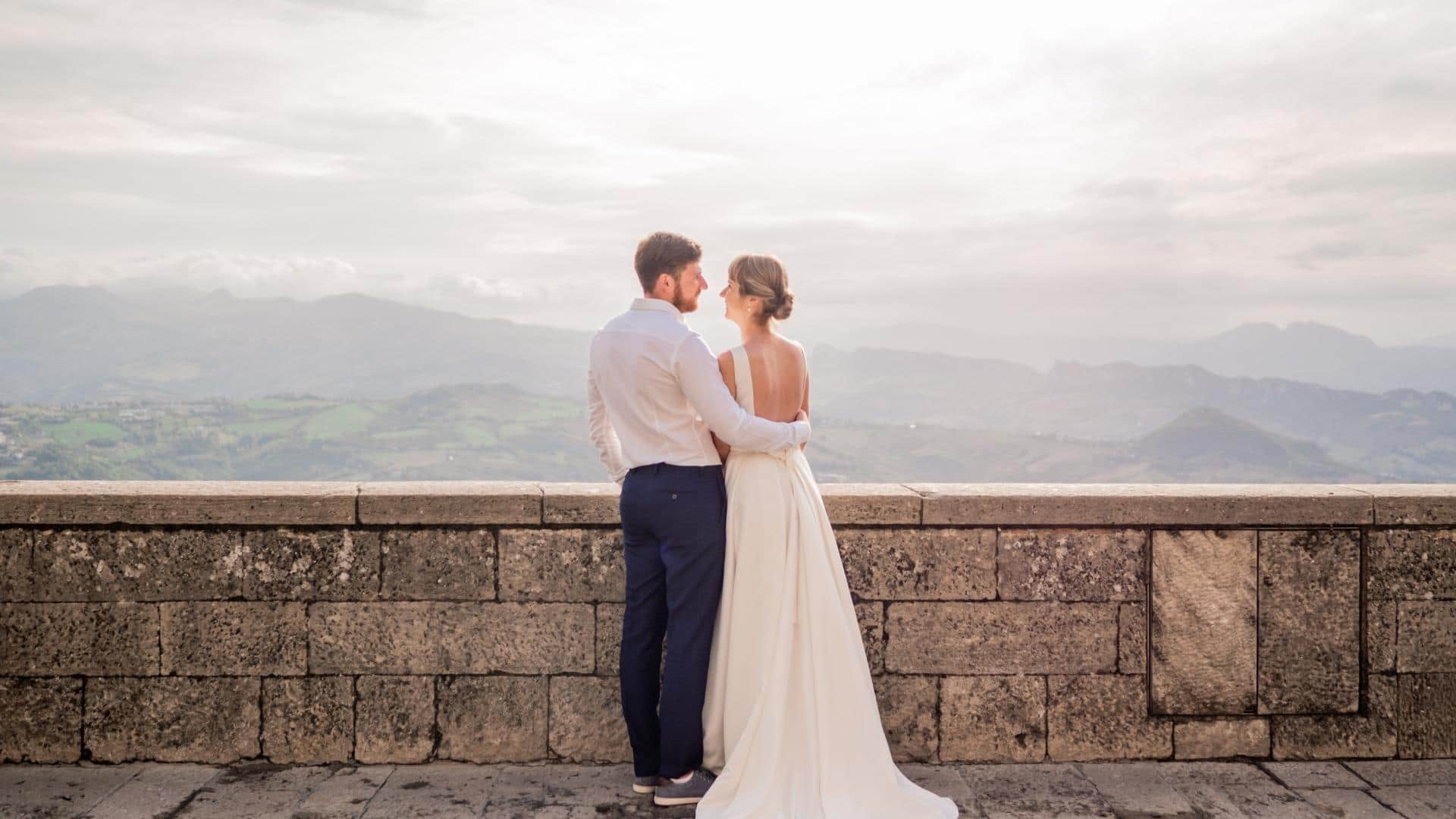
Unique customs about San Marino wedding!
What's the story
San Marino, a tiny landlocked country in Europe, is famous for its rich history and unique cultural traditions. Among these, the wedding customs of this medieval republic stand out, giving a glimpse of its past. These traditions are a combination of ancient practices and modern influences, making San Marino's weddings unique. Here are some of the most interesting wedding customs from this historic nation.
Family involvement
The role of family in weddings
Family plays an important role in San Marino weddings. It is customary for families to be heavily involved in the wedding planning process.
This includes selecting the venue, attire, and even the guest list. The involvement is seen as a way to honor family ties and maintain strong connections between both families.
This tradition highlights the importance placed on familial relationships within San Marino's culture.
Attire traditions
Traditional attire and symbols
Traditional wedding attire in San Marino often includes historical elements that reflect the country's medieval heritage.
Brides may wear dresses inspired by historical fashion, while grooms might don suits with classic cuts.
Additionally, certain symbols like rings or other jewelry are exchanged during ceremonies to signify commitment and unity between partners.
Ceremony customs
Unique ceremony practices
Ceremonies in San Marino can be steeped in unique practices that have been passed down through generations.
One common practice is the blessing of the couple by elders from both families, which is believed to bring good fortune and prosperity to their union.
Another tradition involves sharing bread or other foods as a symbol of abundance and sharing in their new life together.
Feast traditions
Celebratory feasts and gatherings
Post-ceremony celebrations usually include large feasts with traditional San Marinese dishes.
These gatherings bring together friends and relatives to celebrate the newlyweds' union.
The meals usually consist of local ingredients and recipes that have been passed down through generations.
This highlights the community spirit and the joy of the occasion.