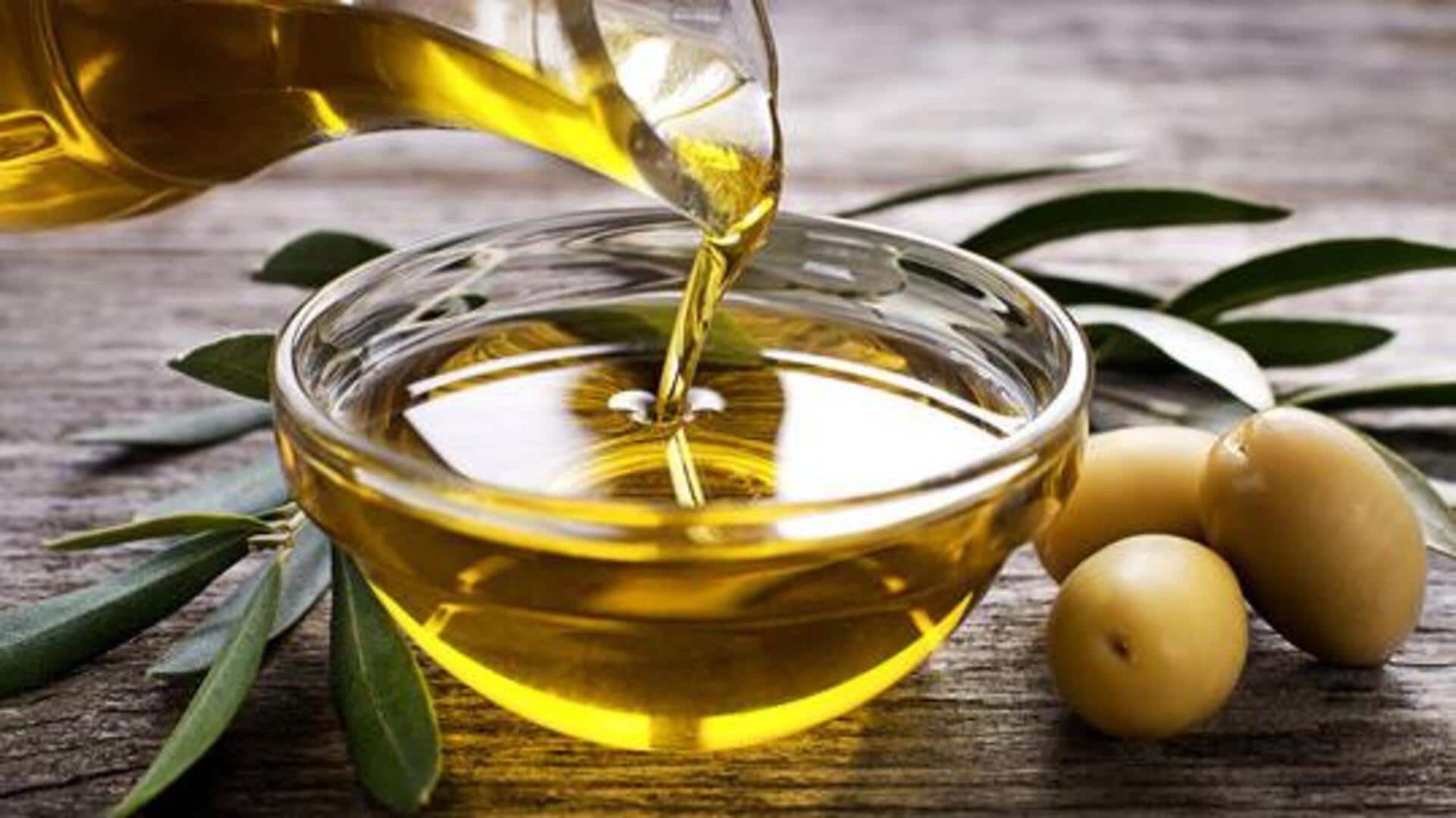
Vegetable oils are not as unhealthy as you think
What's the story
Vegetable oils are a staple in most kitchens, but they are often surrounded by myths regarding their health effects. Many believe that all vegetable oils are unhealthy or contribute to weight gain. However, understanding the facts behind these claims can help you make informed choices about cooking and nutrition. This article busts common myths about vegetable oils and gives you insights into their actual health impact.
#1
Myth: All vegetable oils are unhealthy
One common misconception is that all vegetable oils are bad for health. The truth is, different vegetable oils have different nutritional profiles. For example, olive oil is known for its heart-healthy monounsaturated fats, while coconut oil has saturated fats but may offer some health benefits when consumed in moderation. Knowing the difference can help you choose the right oil for your needs.
#2
Myth: Vegetable oils cause weight gain
Another myth is that consuming vegetable oils directly leads to weight gain. The fact is, weight gain occurs when there is an imbalance between calories consumed and calories burned, not just from eating fats/oils. Including moderate amounts of healthy fats from sources like nuts or avocados can actually support weight management by promoting satiety.
#3
Myth: All fats in vegetable oils are bad
Many people think all fats in vegetable oils are bad, but that's not true. Fats are essential for our body as they help absorb vitamins and provide energy. The key is to focus on consuming balanced amounts of different types of fats—monounsaturated, polyunsaturated—and limit saturated and trans fats found in processed foods.
#4
Myth: Using more oil means more flavor
A common belief is that adding more oil enhances flavor significantly in dishes. However, using excessive amounts of any oil can overpower other flavors instead of complementing them effectively. It is advisable to use oils sparingly and focus on quality over quantity to enhance taste without compromising health benefits.
Tip 1
Tip: Choose oils based on cooking methods
Selecting the right oil also depends on how you plan to cook with it. Oils with high smoke points, like canola or sunflower, are ideal for frying, while low smoke point oils like flaxseed should be used for dressings. Tailoring your choice to your cooking method ensures you get the best out of your oils, both in terms of health and flavor.