What's Jan Vishwas Bill that decriminalizes 717 minor offenses
What's the story
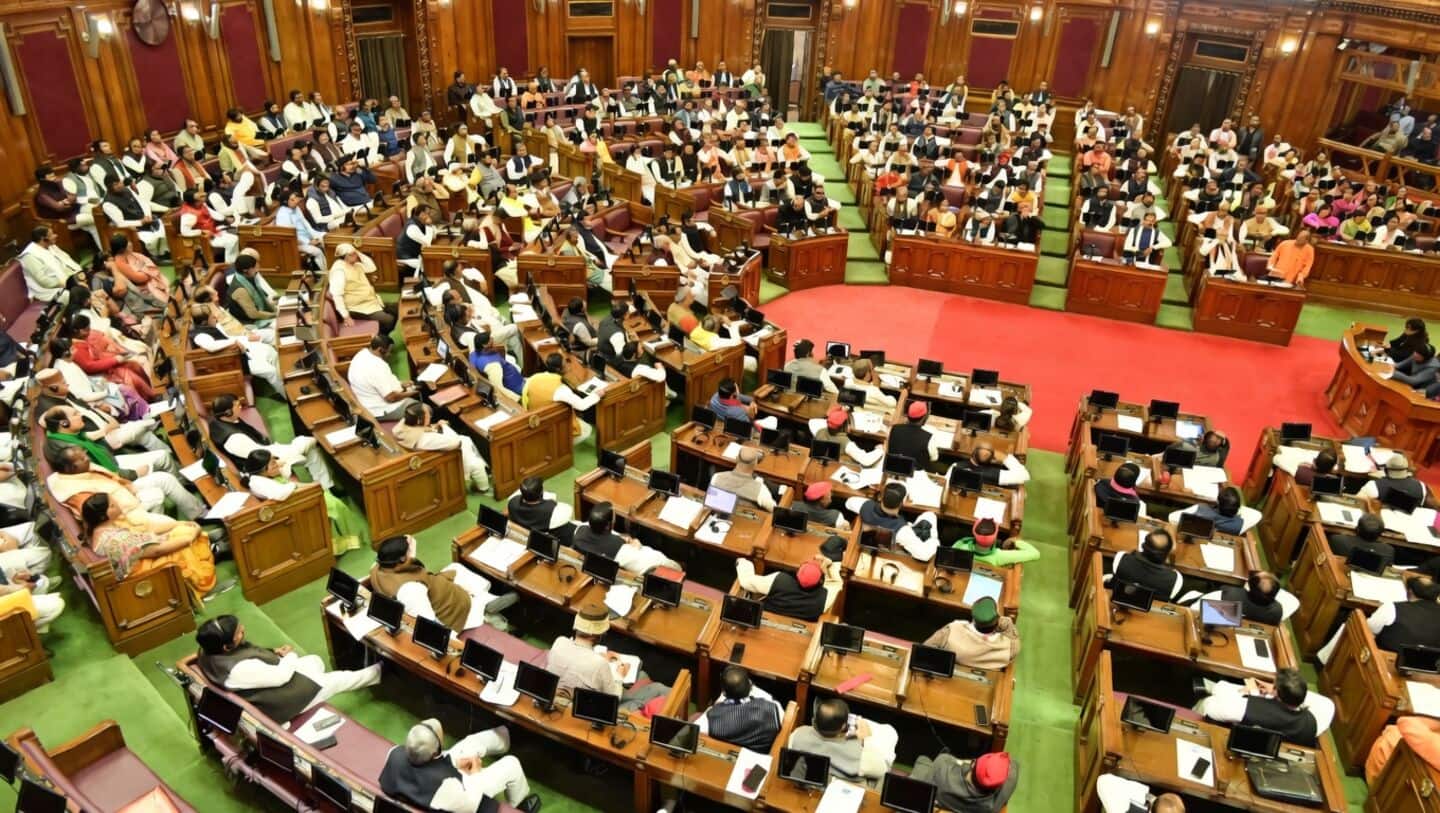
The Parliament has passed the Jan Vishwas (Amendment of Provisions) Bill, 2026. The Rajya Sabha approved it by voice vote on Thursday, a day after the Lok Sabha's nod. The Bill proposes amendment of 784 provisions of 79 Central Acts, decriminalization of 717 provisions to promote ease of doing business, and amendment of 67 provisions to facilitate ease of living.
Legislative goals
Bill will improve ease of doing business: Piyush Goyal
Commerce and Industry Minister Piyush Goyal presented the bill in the Rajya Sabha.
He emphasized the need to move away from criminal penalties for minor infractions, saying it would support business process reforms and improve everyday life for citizens.
The bill seeks to rationalize more than 1,000 offenses, removing outdated and redundant provisions, thereby improving the overall regulatory environment.
It envisages a shift from criminal penalties for minor, technical, or procedural defaults to civil and administrative enforcement mechanisms.
Legislative changes
Replaces imprisonment clauses with monetary penalties
The new law replaces imprisonment clauses with monetary penalties across various sectors.
For example, offenses under the Drugs and Cosmetics Act will now attract civil penalties instead of jail terms. Under the new framework, such offenses will attract a civil penalty of ₹1 lakh or three times the value of confiscated goods, whichever is greater.
In some cases, like the Indian Succession Act and Electricity Act, imprisonment provisions have been completely removed and replaced with higher fines.
Enforcement changes
Graded enforcement mechanism for certain offenses introduced
The Jan Vishwas Bill 2026 also introduces a graded enforcement mechanism for certain offenses.
First- and second-time offenders can receive advisories or warnings before facing penalties for repeated violations.
A key feature of the bill is the rationalization of penalties through adjudicating officers who will determine fines based on the nature and severity of offenses.
Regulatory impact
Law part of broader effort to streamline regulations, reduce litigation
The Jan Vishwas Bill 2026 is part of a broader effort to streamline regulations and reduce litigation.
By reducing the burden of criminal liability and simplifying regulatory processes, the bill is expected to enhance compliance, promote investment, and strengthen economic growth.
The law also introduces "improvement notices" under certain laws, giving businesses time to correct non-compliance before penalties apply.