AI will cure cancer within our generation, says Arm CEO
What's the story
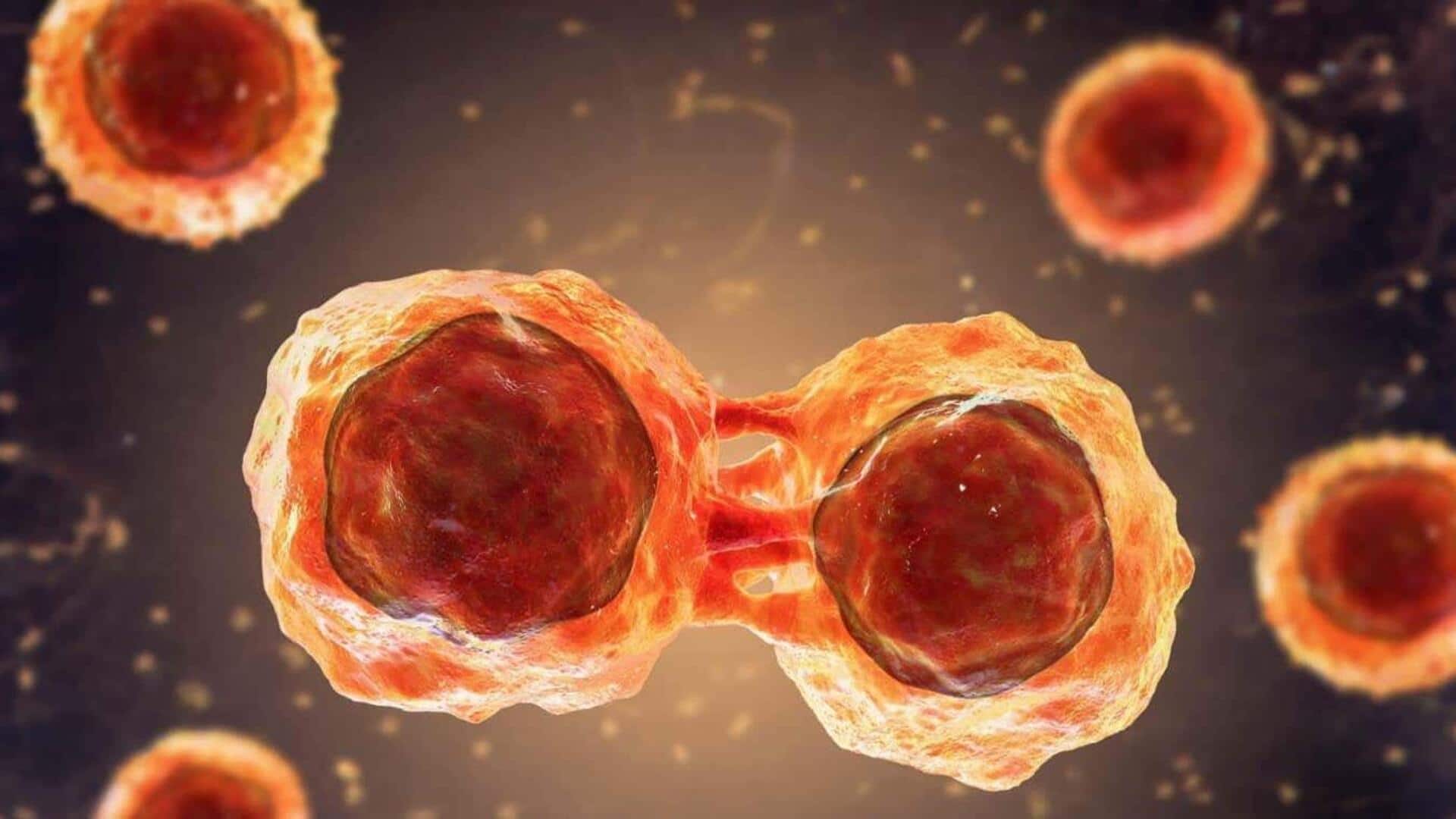
Artificial intelligence (AI) could discover a cure for cancer, something that humans wouldn't be able to do in their lifetimes, according to Rene Haas, the CEO of British chip designer Arm Holdings. He made the statement during BBC's Big Boss Interview podcast. However, he also noted that its current rapid growth was being held up by a shortage of chips needed to build data centers.
AI potential
Haas on AI's potential to solve complex problems
Haas emphasized the complexity of modeling a cell or human, especially how a DNA marker is affected by cancer.
He said, "It's too complex a problem, not only for humans today but the computers that run AI."
However, he remains optimistic that as we feed more models into these computers and they become more sophisticated at running them, they'll eventually solve this problem.
AI advancements
AI and the future of humanoid robots
Haas also predicted that AI would lead to the widespread use of humanoid robots within five years.
However, he expressed skepticism about the possibility of chip manufacturing in the UK in the future.
Despite these challenges, Haas remains optimistic about Arm's role in powering self-learning AI robots for various tasks such as manufacturing, cleaning, security, bridge-building and repairs within a decade.
Market impact
Arm's shift to selling microchips
Haas dismissed fears of a correction in the stock market value of AI companies, citing long-term demand for AI as a reason.
He revealed that Arm's power-efficient technology is now powering half of all AI data centers around the world.
This has led to a massive shift in its business model, with Arm now selling its own microchips due to high demand from Meta.
Supply challenges
Chip supply chain and manufacturing challenges in the UK
Despite the success, Haas acknowledged that the supply of many types of chips is holding back the rollout of AI and data centers.
He highlighted plans for massive "multi-gigawatt" data centers in France and the US as well as plans to put them in space.
However, he doesn't think manufacturing could eventually occur in the UK despite government talks with industry about bringing parts of the physical chip supply chain there.