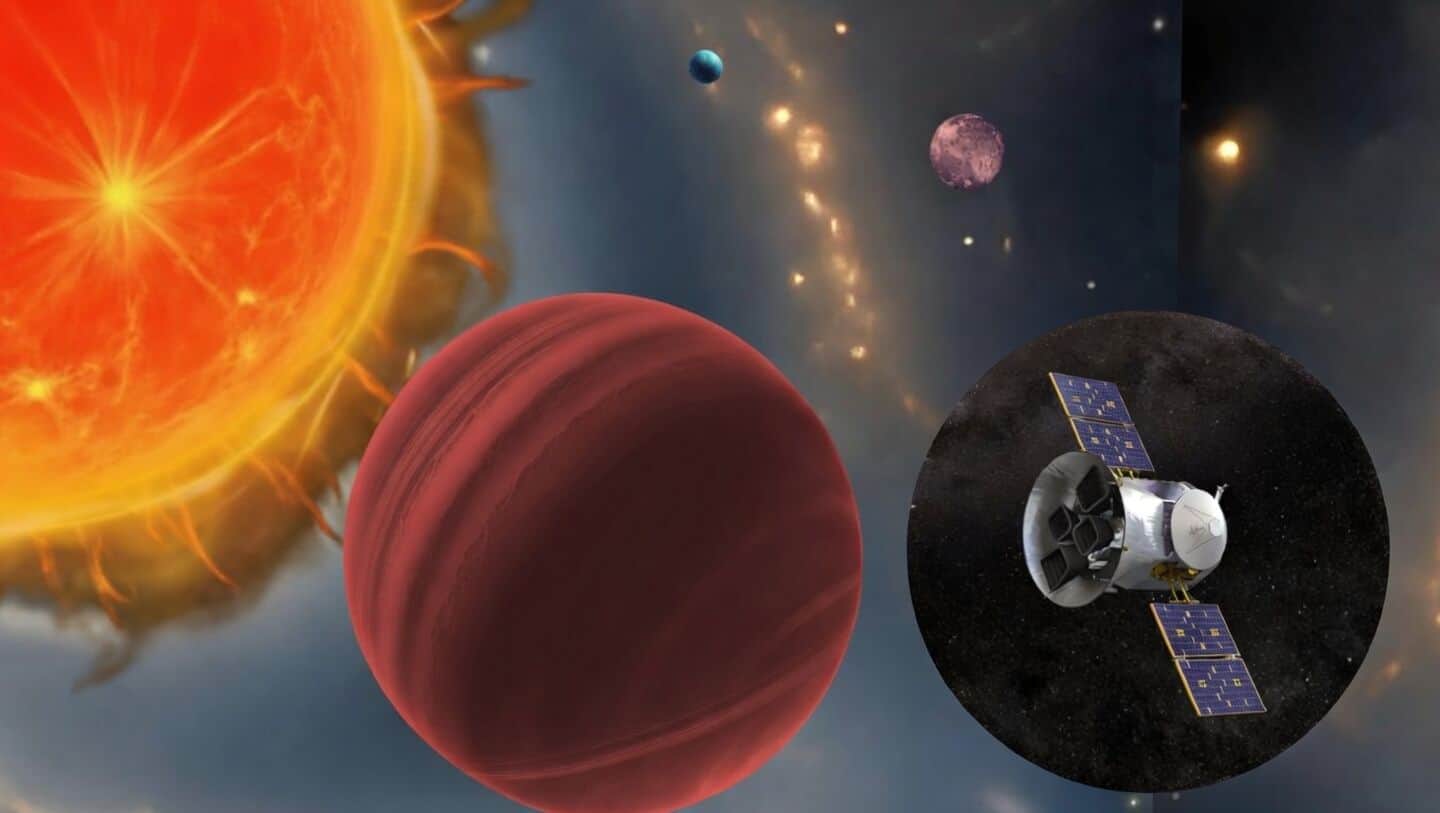
AI tool finds over 100 new exoplanets in NASA data
Astronomers just used an AI tool called RAVEN to discover over 100 new exoplanets, all thanks to data from NASA's TESS satellite.
The AI also flagged about 2,000 more possible planets—a number that, if confirmed, would represent a major boost to NASA's catalog, which lists around 6,000 exoplanets.
RAVEN was built by the University of Warwick and scanned data from over 2.2 million stars, focusing on planets that orbit their stars in just 16 days.
RAVEN's work could reshape our understanding of the universe
RAVEN isn't just fast: it's smart. It combines signal detection with machine learning to spot real exoplanets among tons of data.
Its findings show that about one in 10 sun-like stars have close-in planets, but only a tiny fraction (0.08%) have Neptune-sized ones in the so-called Neptunian desert.
This is a big step for AI-powered space research and could help us learn much more about other worlds out there.