Air pollution might be changing your sperm's DNA: Study
What's the story
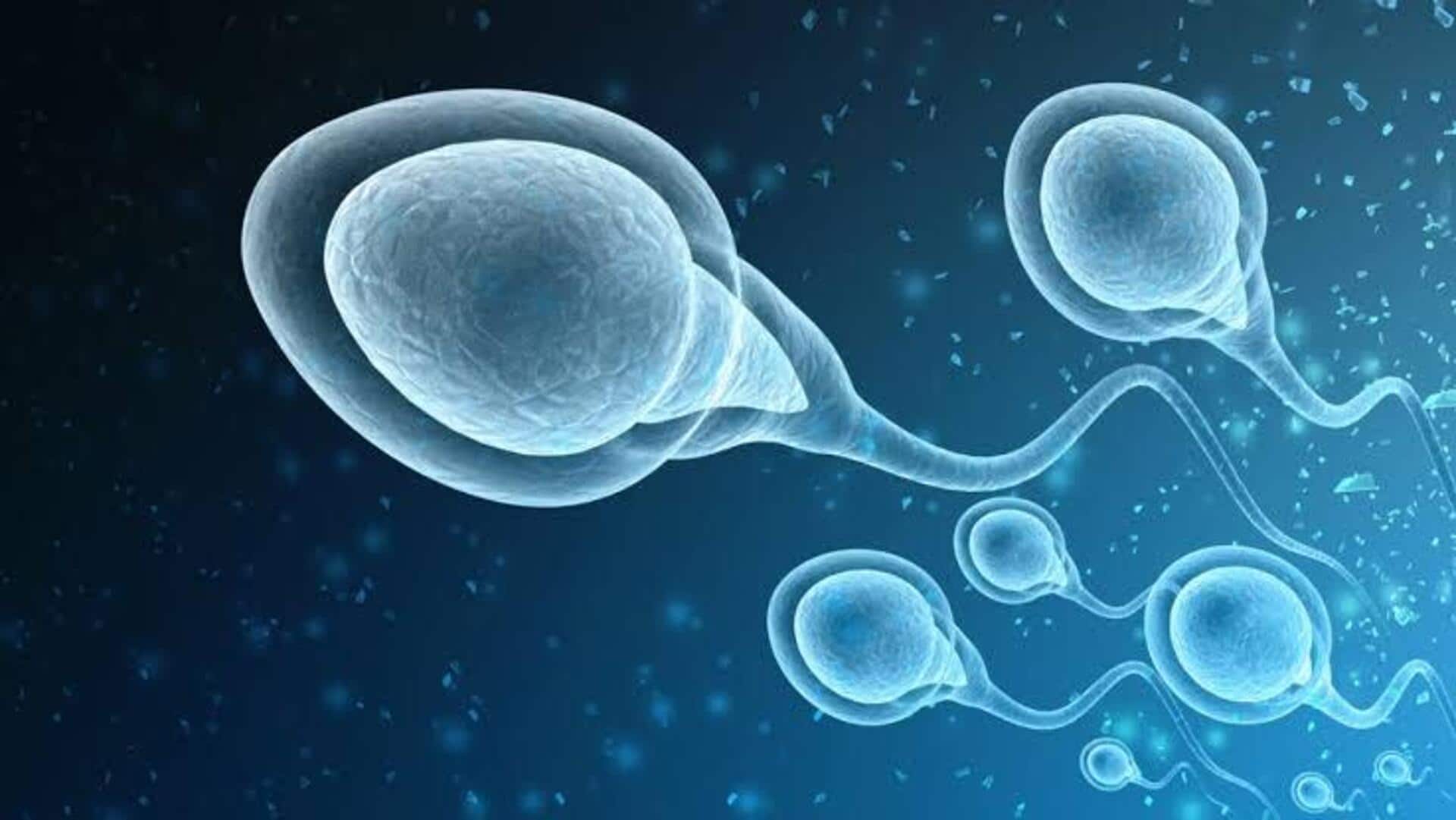
A recent study has revealed a potential link between air pollution and changes in sperm DNA, raising new concerns about its impact on male fertility. The research was presented at the annual meeting of the European Society of Human Reproduction and Embryology in London. It found that exposure to common outdoor pollutants during sperm development can lead to subtle DNA alterations that influence gene activation.
Pollutants identified
Ozone and nitrogen dioxide most strongly associated with epigenetic changes
The study, led by Dr. Carrie Nobles from the University of Massachusetts Amherst, found that ozone and nitrogen dioxide were most strongly associated with these epigenetic changes.
"Our findings suggest that air pollution exposure during key stages of sperm development may be associated with changes in sperm DNA," Dr. Nobles said.
The research involved over 2,000 men in Salt Lake City between 2013 and 2017 who provided semen samples at different intervals after enrollment.
Research findings
Researchers estimated participants' exposure to outdoor air pollutants
The researchers estimated each participant's exposure to outdoor air pollutants like ozone, nitrogen dioxide, sulfur dioxide, and fine particulate matter during three months prior to each sample collection.
This period coincided with sperm production.
The study found a link between air pollution and DNA methylation changes in the sperm of 1,220 men who provided samples at the six-month follow-up.
A total of 39 DNA changes were linked to mixtures of air pollution, with ozone and nitrogen dioxide having strong influence.
Genetic implications
Changes in gene expression may impact men's fertility
Most epigenetic tags are removed early in embryo development, but some genes are "imprinted" with these changes. This could potentially affect embryo development and beyond.
One of the genes identified in this study, GNAS, has been previously associated with lower semen quality and fetal development.
Dr. Nobles emphasized that "changes in gene expression have the potential to impact men's fertility," highlighting the importance of this research area.
Future studies
More research needed to determine clinical significance of findings
However, Dr. Nobles stressed that more research is necessary to establish connection between air pollution and associated changes in sperm DNA methylation and fertility.
Professor Allan Pacey, an andrology expert at University of Manchester, said while the study showed a measurable effect, it is still unclear if these changes are clinically significant for male infertility.
Prof. Richard Lea from University of Nottingham called this study "an important piece of research" adding to evidence that airborne pollutants adversely affect sperm quality.