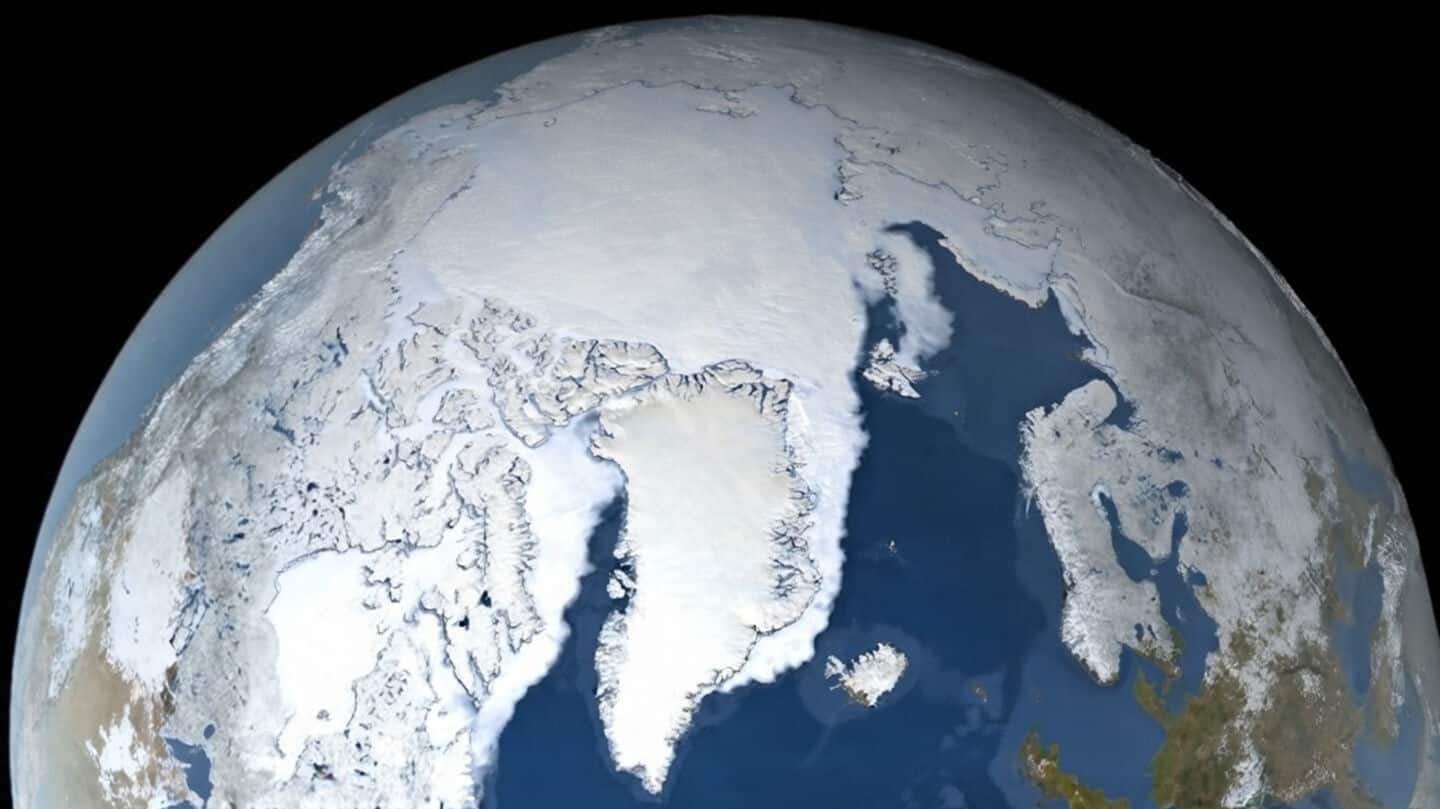
Arctic sea ice hits record low for 2nd consecutive year
Arctic sea ice just hit another record low this winter, marking the second year in a row this has happened.
On March 15, 2026, scientists measured the ice at 5.52 million square miles, which is 9% lower than the average from past decades.
This steady drop has been going on since satellites started tracking it in 1979 and points to climate change speeding up.
Experts warn of ice-free summers
NASA and the National Snow and Ice Data Center say the Arctic's getting thinner, especially near Greenland.
Experts like Walt Meier call these back-to-back records part of a long-term trend, while Jennifer Francis links it to fossil fuel emissions fueling our climate crisis.
Less ice means less sunlight bounces off Earth, so things heat up even more: some scientists warn the Arctic could have ice-free summers by 2050, in some projections even under optimistic emissions scenarios.