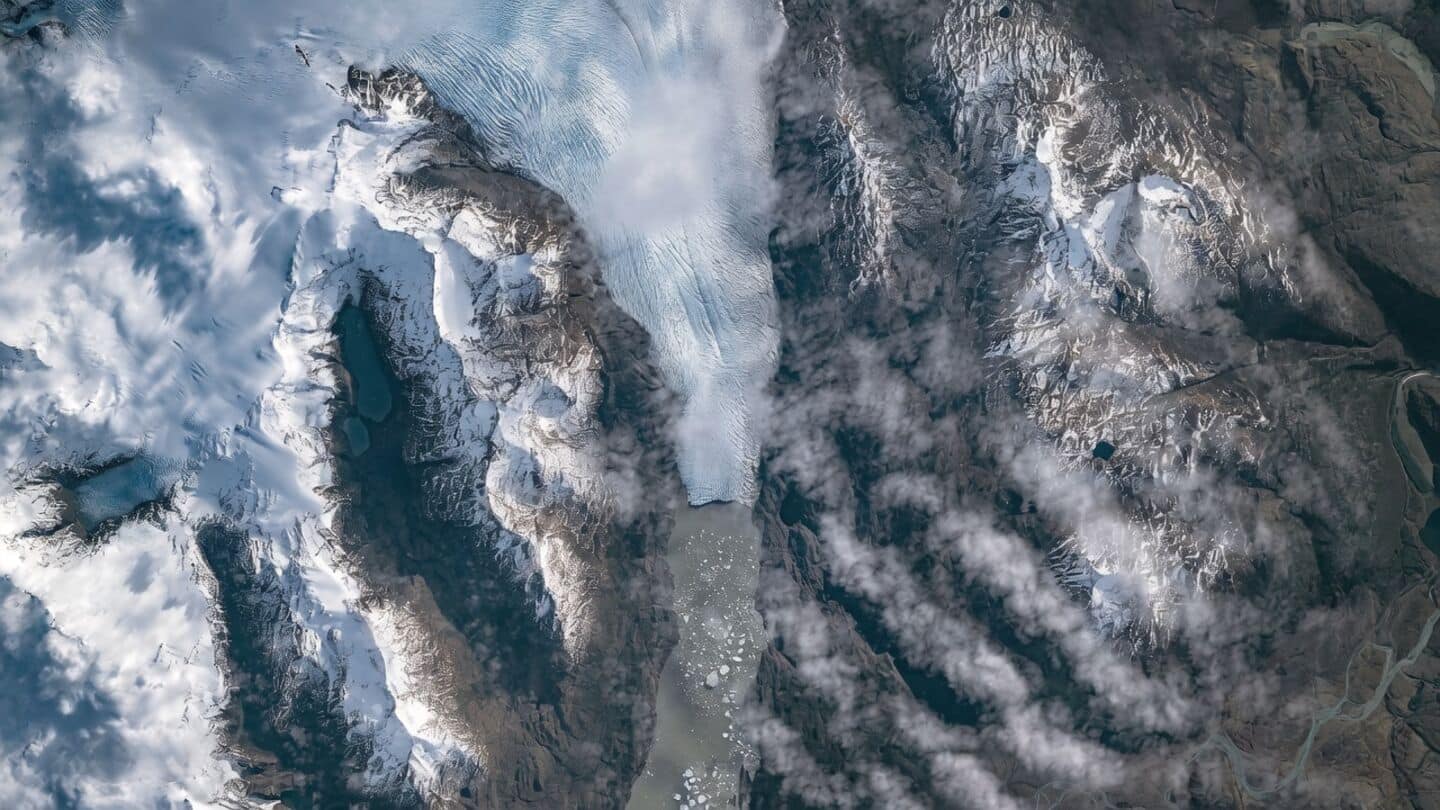
Astronauts photograph Tyndall Glacier calving into Lago Geikie, climate signal
On June 11, 2026, astronauts aboard the International Space Station snapped an eye-catching photo of Tyndall Glacier in southern Chile breaking apart and drifting into Lago Geikie.
This glacier is part of the massive Southern Patagonian Icefield, second largest in the world, and its shrinking size is a clear sign of climate change speeding up.
Mauri Pelto: Tyndall retreats 2.25km
Tyndall Glacier has been slowly melting for about 150 years, but lately it's moving faster. In the past four years alone, it retreated by 2.25km (2.2km), according to glaciologist Mauri Pelto.
As of 2025, glaciers worldwide had lost over 300 tons (273 tons) of ice in the 20 years prior, raising sea levels.
Calving exposes fossils, highlights coastal vulnerability
Every chunk of glacier that slips into Lago Geikie reminds us how quickly climate change is reshaping Earth, and why it matters for everyone, especially coastal communities facing higher seas.
Plus, those newly exposed fossils are giving researchers fresh clues about life millions of years ago.