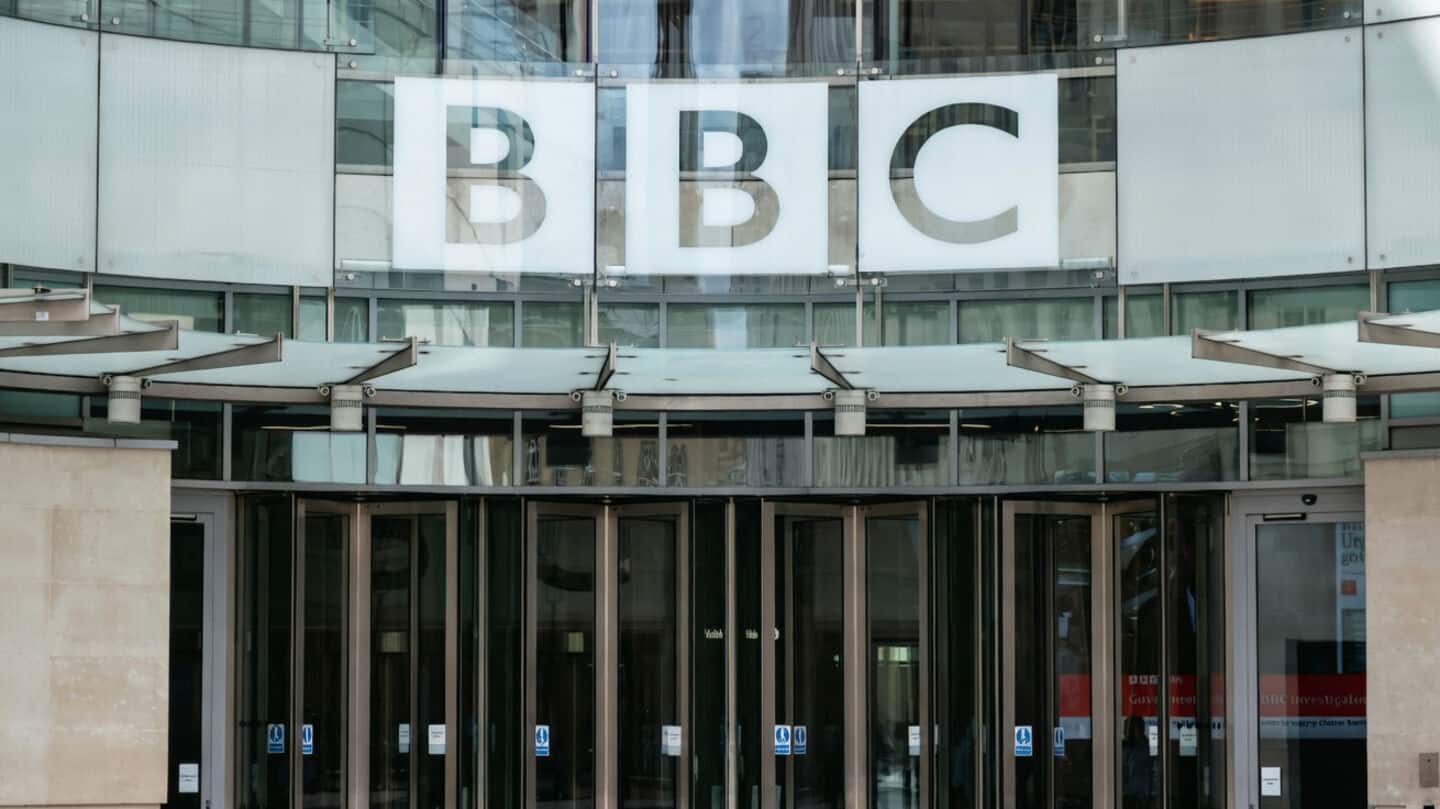
BBC ends long wave radio service after nearly a century
What's the story
The British Broadcasting Corporation (BBC) has shut down its long wave radio service, a platform that has been in operation for nearly a century. The last surviving long wave station in the UK, BBC Radio 4, switched off its service at 1:00am on Saturday (local time). The move marks the end of an era for a technology that has been used since 1934 and played a crucial role in transmitting messages during World War II.
Historical significance
Service has been on air since 1978
BBC Radio 4 switched to the long wave frequency in 1978 and has been broadcasting on it ever since.
The corporation first announced the potential closure of its long wave services in 2022.
In 2024, it stopped separate scheduling for Radio 4 on this frequency ahead of the planned change.
The BBC said that the decision was made as long wave technology is "coming to the end of its life."
Future plans
Digital listening has significantly increased
The BBC said that continuing to use long wave technology would require a "significant investment" for a platform that is used by only a small number of listeners.
The corporation also emphasized its commitment to "investing in platforms that best serve audiences and provide resilient coverage for the future," especially with the significant rise in digital listening.
Audience assistance
Radio station will continue to be available on other platforms
In its statement, the BBC said, "We also work closely with organizations that support vulnerable audiences around platform closures, to ensure listeners are helped in a timely and sensitive way."
Despite the closure of its long wave service, the radio station will continue to be available on other platforms such as FM and DAB. It will also be accessible via television platforms and digital services.