Cambridge scientists use battery acid and sunlight to recycle plastics
Technology
Cambridge scientists have found a clever way to tackle two big waste problems at once: spent battery acid from used car batteries and hard-to-recycle plastics.
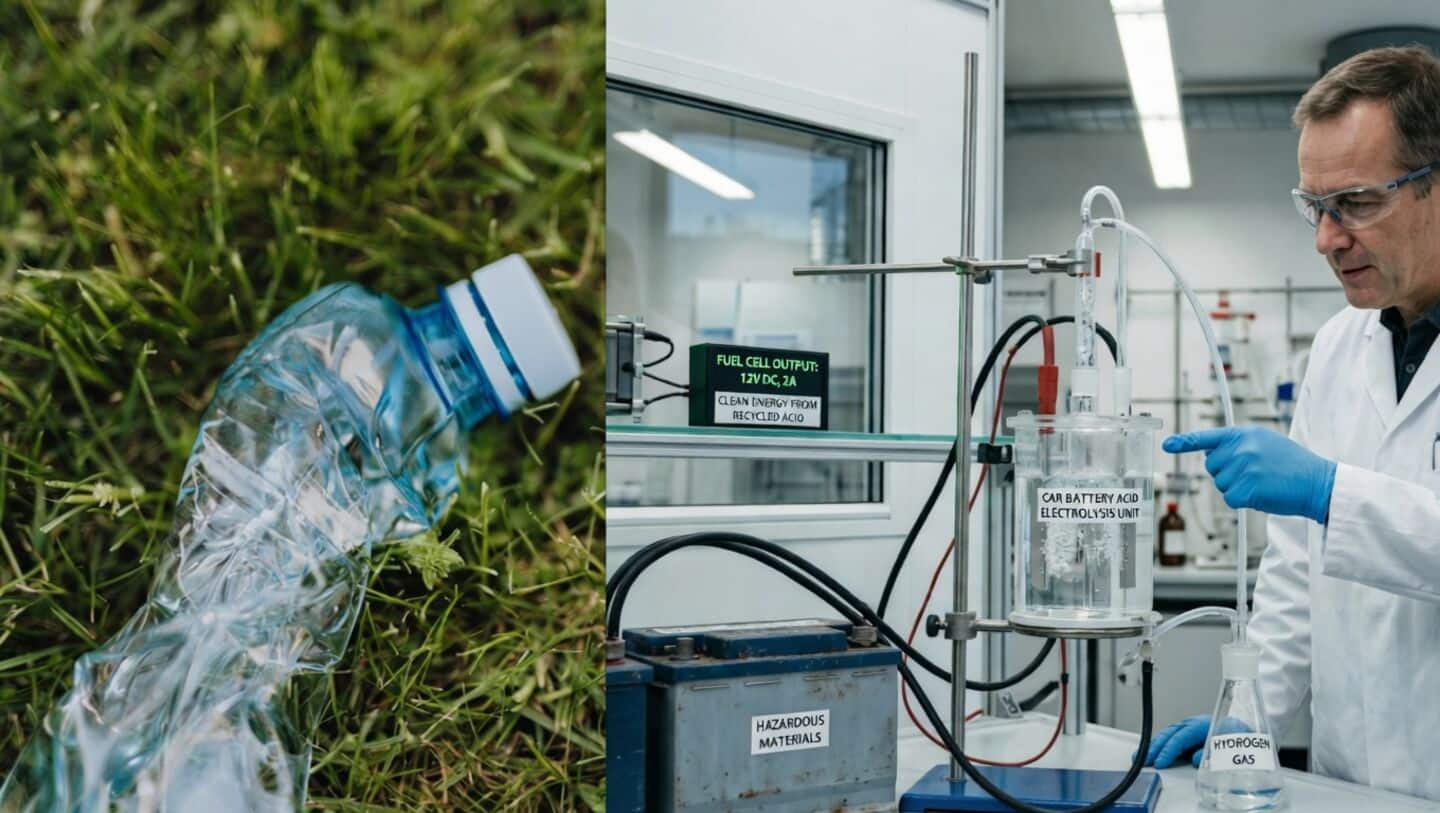
Their new technique uses sulfuric acid from used batteries and sunlight to break down stubborn plastics, turning them into hydrogen fuel and acetic acid, both useful resources.
Recycles nylon and polyurethane plastics
This process helps recycle tricky plastics like nylon and polyurethane, while also giving old battery acid a second life.
Lead author Kay Kwarteng called it a "win-win," since it cuts down on waste and the need to make new chemicals.
The system ran for more than 260 hours straight in tests, showing real promise for greener recycling in the future.