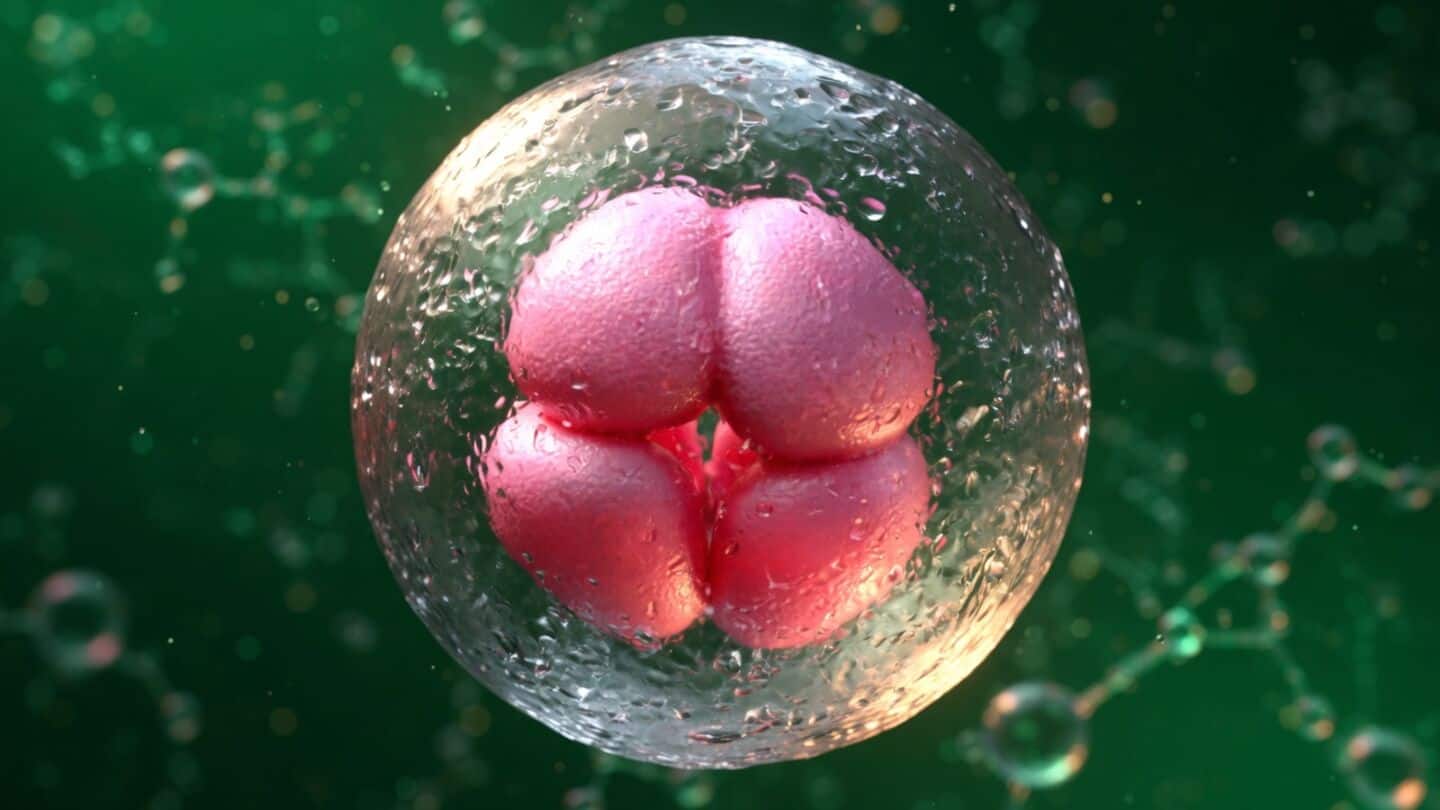
Cambridge team finds NANOG required for embryo stem cell formation
Researchers just discovered that the NANOG gene is super important for how human embryos develop in their earliest days.
Using a precise gene-editing tool called base editing, the team led by Kathy Niakan at the University of Cambridge found that removing NANOG stopped cells from becoming stem cells.
They started turning into yolk sac or placenta cells instead.
First base editing on human embryos
Interestingly, NANOG works differently in humans compared to mice; it's needed for yolk sac formation in mice but not in humans.
This study was also the first to use base editing on healthy donated human embryos, making it a big step forward for embryo research.
As stem cell expert Dusko Ilic put it, these findings help us understand how things work, while Robin Lovell-Badge highlighted that learning about early development could one day help with fertility issues.