Case Western Reserve links gut bacterial sugars to ALS FTD
A new study from Case Western Reserve University points to a surprising link between gut bacteria and brain diseases like ALS and FTD.
Researchers found that certain sugars made by gut bacteria can trigger immune reactions that damage neurons: basically, your gut might influence what happens in your brain.
Parabacteroides merdae glycogen causes mouse neuroinflammation
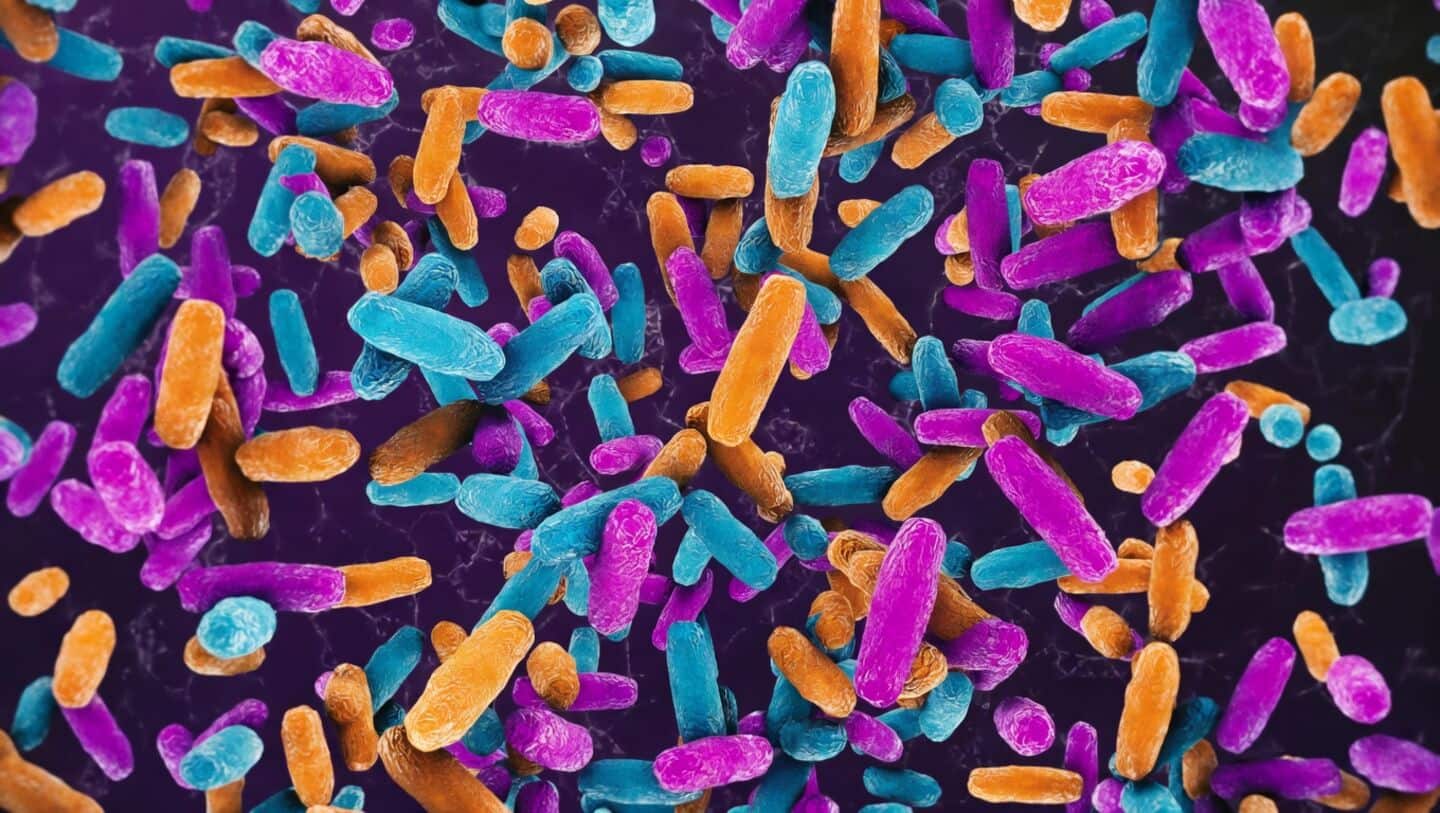
The team discovered that a specific bacterium, Parabacteroides merdae, produces an inflammatory type of glycogen that causes brain inflammation in mice.
Treating these mice with an enzyme called alpha-amylase helped reduce inflammation and even increased their lifespan (though it didn't fix movement issues).
In people with ALS, higher levels of this inflammatory glycogen were also found.
Up next: clinical trials could begin in a year to test if breaking down this glycogen can actually slow these diseases, potentially opening doors for new treatments focused on the gut-brain connection.