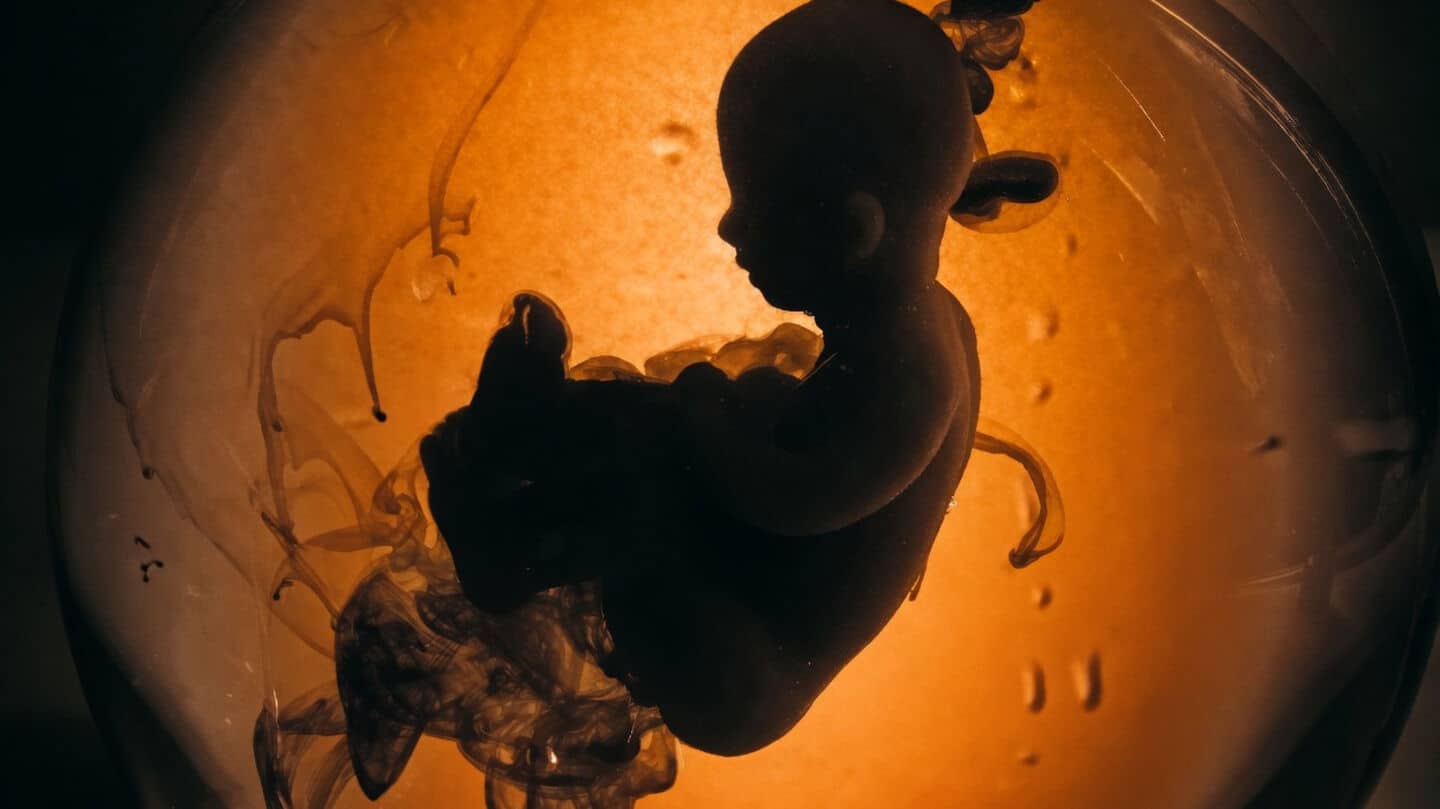
Columbia University study uses base editing on earliest human embryos
A new study from Columbia University used a technique called base editing to tweak DNA in human embryos at their very first stage.
Unlike CRISPR, this method targets just one DNA strand, aiming for fewer mistakes.
The research focused on genes linked to cholesterol and hemoglobin, but the embryos weren't allowed to grow any further.
Experts split on safety and regulation
Some experts worry this could open the door to risky or unregulated genetic changes.
Bioethicist Ana Iltis pointed out concerns like harmful effects that might not be evident until after birth, while the study noted mosaicism, where edited embryos might develop mixed-up cells that could cause health problems.
Others, like co-author Nathan Treff, see it as a step toward fighting genetic diseases, but there are big questions about how these experiments should be regulated in the US.