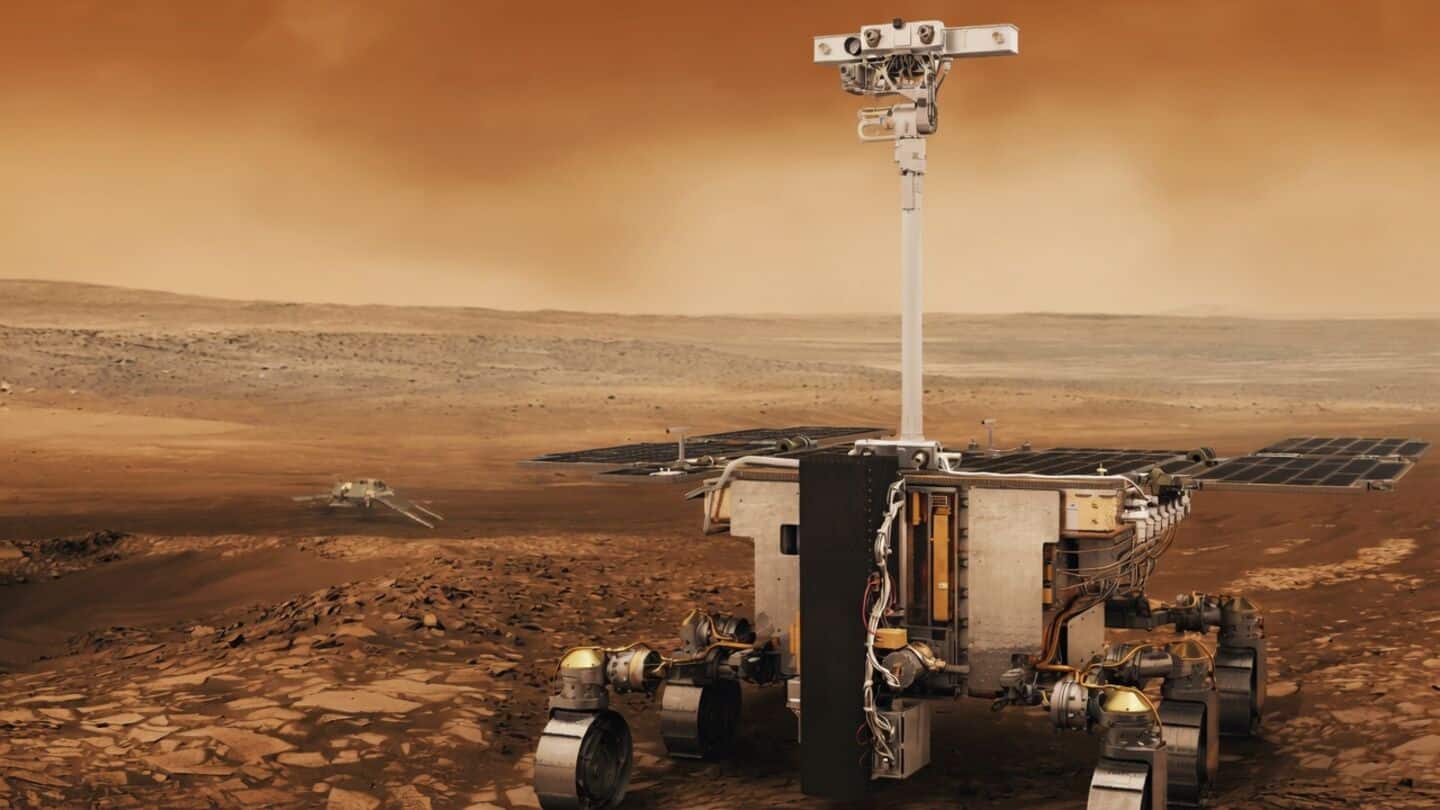
ESA to send Rosalind Franklin rover to Mars's Oxia Planum
Technology
ESA is sending its Rosalind Franklin rover to Mars in 2028, aiming for Oxia Planum, a spot scientists think was once covered in water and could hold clues about ancient Martian life.
Recent findings from ESA and NASA orbiters show that this area is packed with clay, making it a top pick for searching for signs of past life.
Clays could preserve life traces
The clay deposits at Oxia Planum might actually preserve traces of life or reveal whether Mars was ever habitable.
Scientists are excited because these clays probably formed during massive floods or when an ocean existed about four billion years ago.
With a drill on board, the rover will dig below the surface to help piece together Mars's early history and maybe even answer whether we are alone in the universe.