Paris prosecutors probe alleged harassment cases linked to smart glasses
What's the story
The Paris prosecutor's office has launched a criminal investigation into alleged sexual harassment cases linked to smart glasses. The move comes amid growing concerns over the social implications of these devices. The investigation was prompted by reports of a social media trend where people used smart glasses to film women on the street without their consent, and then shared those videos online.
Market dominance
Meta dominates the market for AI-enabled smart glasses
Despite the controversy, smart glasses have gained immense popularity worldwide.
Meta, in partnership with EssilorLuxottica, dominates the market with a 76% share.
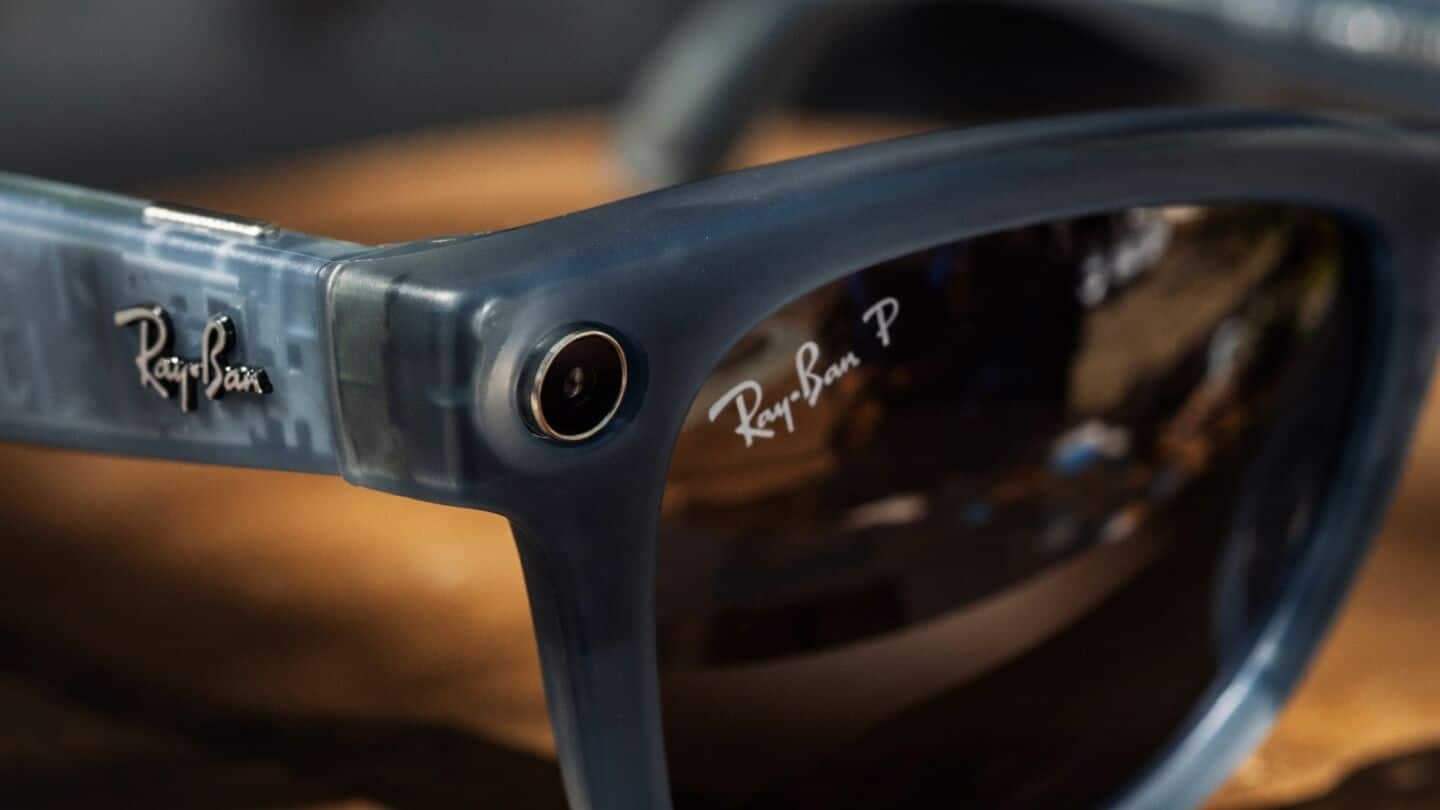
The AI-enabled glasses come with a tiny camera that can record discreetly. They sold seven million units last year alone.
However, their success has also drawn international scrutiny over issues like sexual harassment and illicit surveillance.
Regulatory actions
Trend has drawn international scrutiny
In the UK, some cinemas have already banned smart glasses over privacy concerns.
A German consumer advocacy group has also filed a criminal complaint against Meta and other companies selling these devices in Germany.
The Paris prosecutor's office confirmed it had launched at least one criminal probe following sexual harassment complaints related to this trend of filming women without their consent.
Company response
Meta claims it has 'built privacy into our AI glasses'
In light of the ongoing scrutiny, a Meta spokesperson stressed that the company has "built privacy into our AI glasses from the ground up."
The representative added that it would continue to enhance its protections as these glasses become more advanced.
Meanwhile, EssilorLuxottica chose not to comment on the matter.
Complaints received
Real challenges in getting consent
France's data protection authority, CNIL, has received under 10 complaints about smart glasses being used at work.
The agency didn't reveal the brands involved but said it is getting more inquiries from businesses wanting to know if they can ban these devices at their workplaces.
Smart glasses pose "real challenges" in terms of informing people that they are being filmed and getting consent when needed, according to CNIL's head of economic affairs Nacera Bekhat.
Potential ban
Australian government considering ban on smart glasses
The Australian government is also considering a ban on camera-equipped smart glasses in government workplaces due to privacy and security concerns. This could be the first of its kind.
Smart glasses are regulated by the EU's AI Act and General Data Protection Regulation, which govern how personal data can be used.
However, enforcing French law that protects privacy rights can be difficult when content spreads quickly online.