From MIT engineering to neurosurgery, Matthew Willsey pursues ALS BCIs
Dr. Matthew Willsey, who switched from engineering at MIT to neurosurgery, is working on brain-computer interfaces (BCIs) that let people with amyotrophic lateral sclerosis, or ALS, and similar conditions communicate and control devices using their thoughts.
He was inspired by a robotics demo back in 2009, which pushed him to blend his tech skills with medicine.
Willsey helps implant Paradromics internal chip
Willsey studied medicine and neurosurgery, then earned a PhD focused on BCIs.
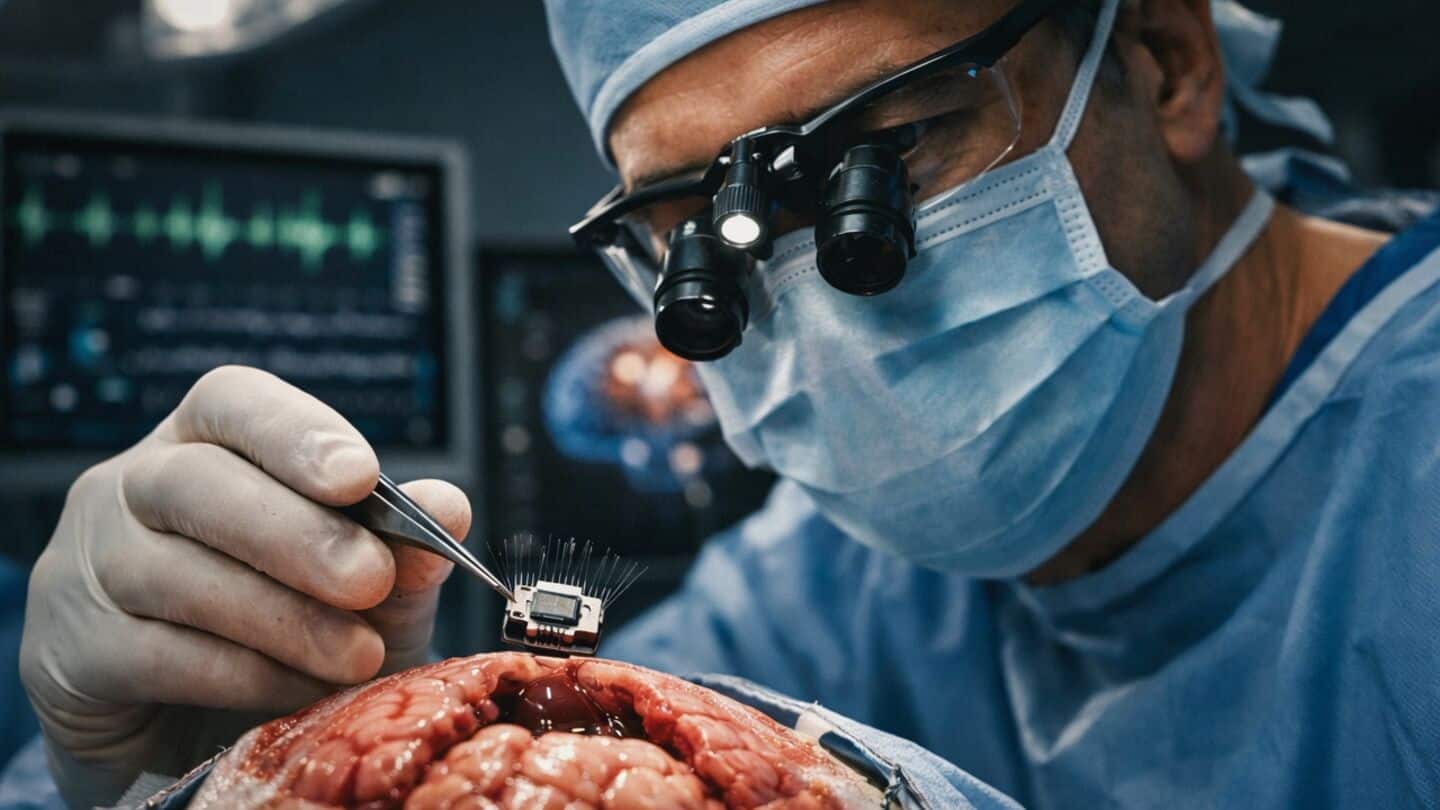
His latest milestone: helping implant a fully internal Paradromics brain chip that connects the brain to a chest device under the skin.
This means patients can interact with technology (no wires or external gear needed), making life easier for those who struggle to speak or move.
BCI wave includes Neuralink and Paradromics
Paradromics is part of a bigger wave in BCI innovation, alongside Neuralink's human trials and China's first commercial brain-chip system.
Willsey's work shows how combining engineering and medicine can open up new ways for people with neurological disorders to connect with the world.