Google's latest move signals major push into physical AI
What's the story
Google has integrated Intrinsic, a pioneering robotics software company that was previously an independent unit under Alphabet. The move comes as part of Google's strategy to focus more on physical AI and integrate experimental projects into its main business. Intrinsic, which started as a project in Alphabet's X lab, has spent years developing robotic software before becoming an independent company in 2021.
Technological advancement
Intrinsic's mission and flagship platform
Intrinsic has been working on making robot applications easier by creating software and tools. It calls itself an "Android-like layer for robotics."
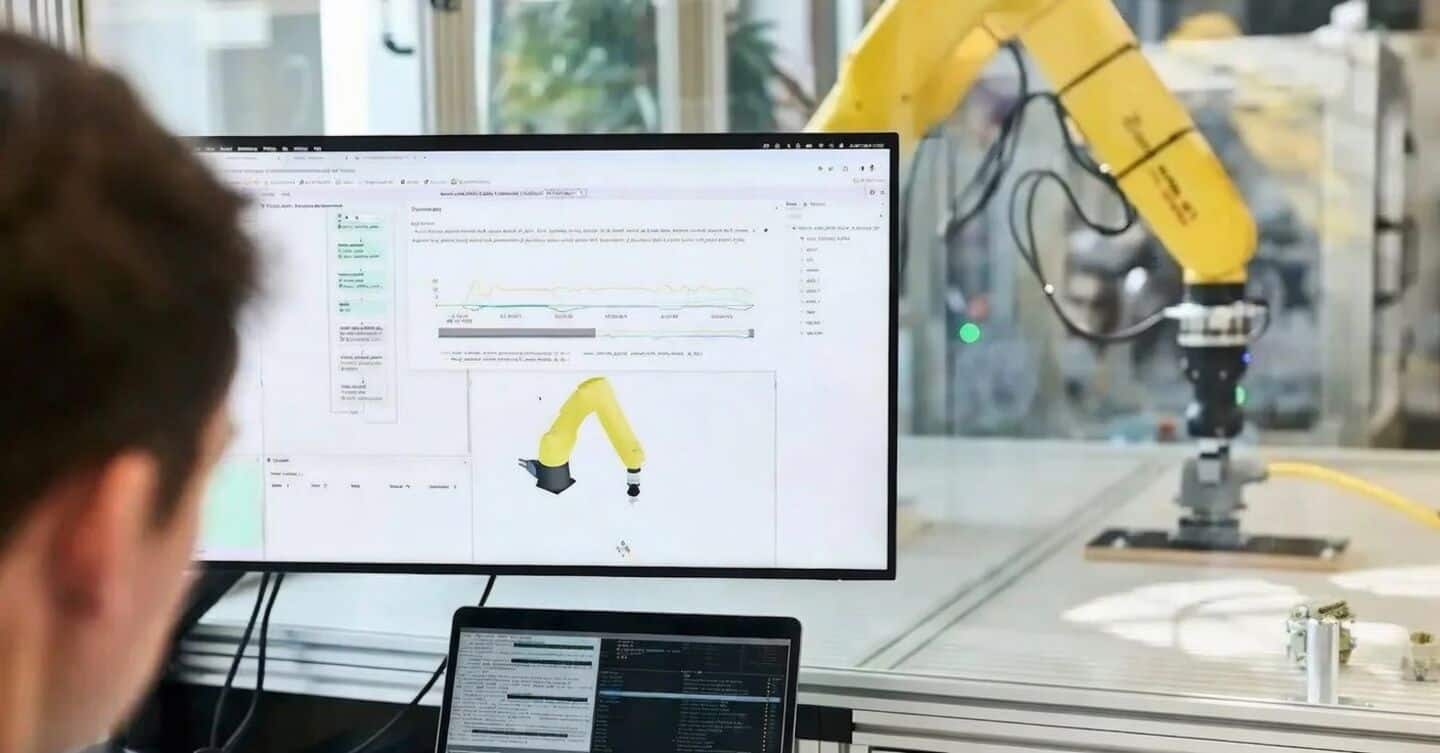
The company's flagship platform, Flowstate, is a web-based tool that lets developers and manufacturers create robotic applications without needing to write extensive custom code.
This could be a game-changer in overcoming the programming challenges associated with industrial robotic arms.
Strategic move
What does this mean for Google's robotics efforts?
The details of the integration are still under wraps, but both companies have confirmed that Intrinsic will remain a "distinct group within Google."
The team will work closely with Google DeepMind and leverage Google's Gemini AI models and cloud resources.
This integration is expected to bring physical robotics systems closer to cutting-edge AI research, making it easier for businesses to adopt these technologies at scale.
Market strategy
Industry impact and competition
Intrinsic CEO Wendy Tan White has said that the integration with Google's AI and infrastructure will help "unlock the promise of physical AI for a much broader set of manufacturing businesses and developers."
The move also strengthens Google's position in the market, especially against competitors like Amazon and Tesla who have been investing heavily in robotics and AI-driven automation.
Industry outlook
The road ahead for Google
The integration of Intrinsic into Google marks a shift from speculative projects to core strategic assets.
It shows that leadership believes robotics software, especially when combined with generative and multimodal AI, is becoming foundational.
The big question now is whether Google can turn this technology into a sustainable enterprise platform before its competitors build their own ecosystems.