Google Play to allow 3rd-party app stores next week
What's the story
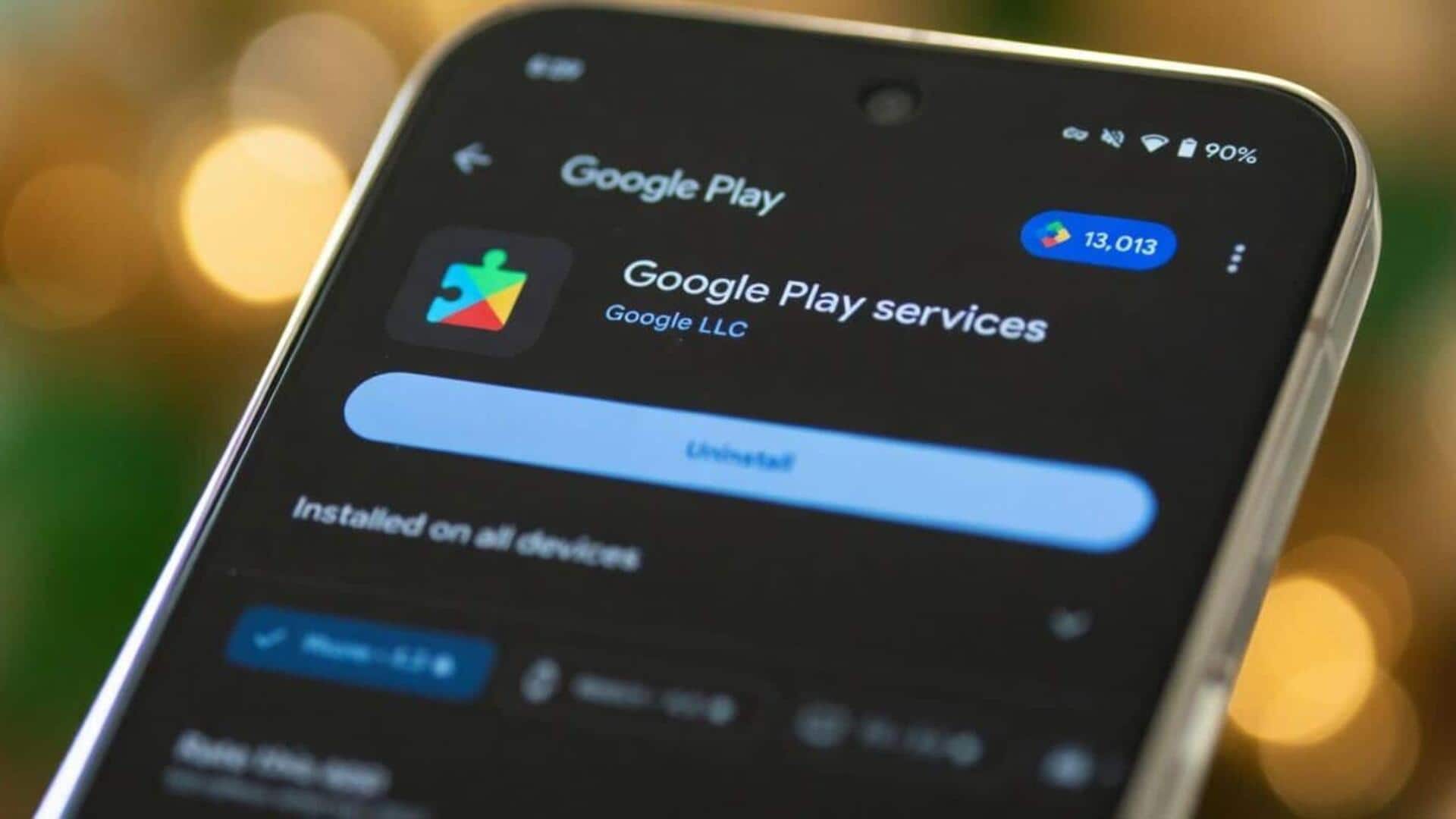
Google and Epic Games have dropped their joint effort to settle a lawsuit over Android app store competition. The case was aimed at forcing Google to host rival app stores within its own platform. Now, the tech giant has confirmed it will start carrying third-party app stores from July 22. This could open doors for Microsoft's potential Xbox game store on Android.
Legal background
Background on the case
In October 2024, Judge James Donato ruled that Google should host rival Android app stores in its own Google Play store.
He also ordered the company to share its entire app catalog with these stores.
The decision was aimed at breaking Google's illegal monopoly over Android apps.
However, the tech giant has been fighting this ruling ever since and even got Epic on board by settling their global legal disputes and making an $800 million deal.
Alternative approach
Alternative app stores that users would have to sideload
Google proposed an alternative to Judge Donato's permanent injunction, suggesting "Registered App Stores" that users would have to sideload. However, the judge was skeptical about this approach.
He was supposed to hear both sides in court on July 16, but that may not be necessary anymore after the latest development of Google and Epic withdrawing their joint effort.
Future plans
Google will start sharing US app developers' apps by default
Google has said it is committed to providing more app store choices, lower prices, and more opportunities for developers and users.
The company also stressed its commitment to maintaining Android's security and fostering a competitive ecosystem where every app store and developer can compete freely.
As part of this plan, Google will start sharing US app developers' apps with third-party app stores on July 22 by default unless they opt out.
Access conditions
Annual fee of $5,000 for access to Play catalog
Google will charge third-party app stores an annual fee of $5,000 for "security and policy reviews" to access its Play catalog of apps.
The company also has several other requirements such as stores can't distribute apps outside the US, must be open to all eligible third-party developers, have "clear, non-discriminatory" trust and safety policies.
Plus, no more than 1% of "install attempts" can be malware.