Google's SynthID debunks viral deepfake of hospitalized US senator
What's the story
Google's SynthID technology has successfully debunked a high-profile AI-generated hoax image, marking a major victory for the system. The image in question showed Kentucky Senator Mitch McConnell lying on a hospital bed, seemingly in distress. It went viral on Reddit and X but was later debunked by Snopes, a fact-checking site.
Watermark revelation
SynthID's watermark played crucial role in debunking image
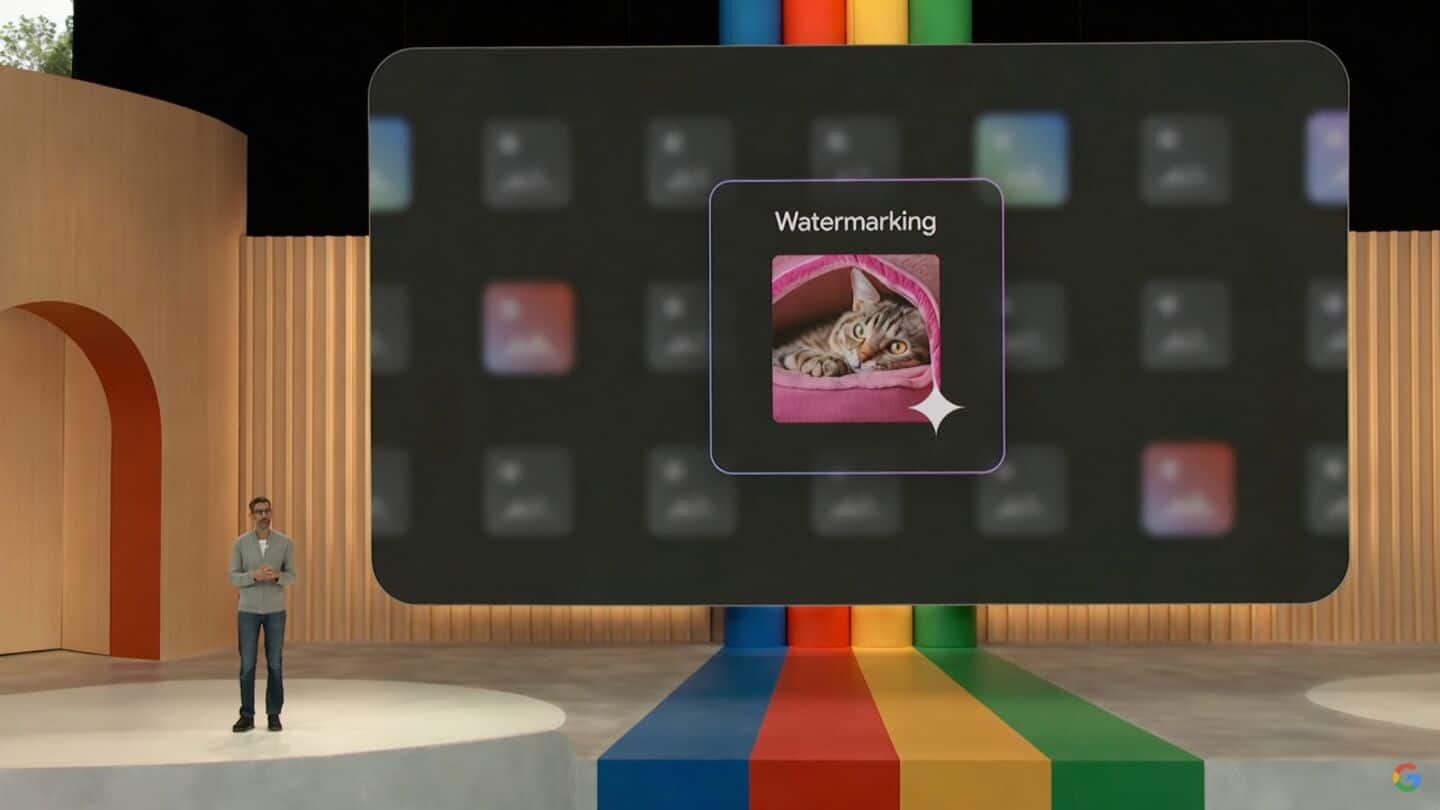
The debunking of the McConnell image was made possible by SynthID's unique watermark.
The invisible signature, which is visible to SynthID algorithms but not to the naked eye, was embedded in the image.
This allowed Snopes to confirm that it was an AI-generated picture and not a real one.
The success of this case highlights the effectiveness of anti-deepfake technology in combating misinformation.
Technology durability
Watermark survives even when image is screencaptured
One of the key features of SynthID is that its watermark "survives even when an image is screencaptured across multiple platforms."
The watermark is embedded in the image itself, which means it survives even when an image is screencaptured across multiple platforms.
This was demonstrated by the case of the McConnell image, which was shared across various platforms but still carried the SynthID watermark.
Twitter Post
Take a look at the image
.@SenMcConnell and i’ll tell you all about it when I see you aaaaagain pic.twitter.com/GfQQM5rMMo
— big pale tone 🤌 🍝 (@BigPaleTone) July 7, 2026
Program restrictions
Limitations of SynthID
Despite its effectiveness, SynthID does have some limitations. It can only be used when an image-generation tool actively participates in the program.
Gemini models have included the watermark since the program launched in 2025, with OpenAI joining in May 2026 as part of a broader effort to combat malicious image generation.
Users can check if images contain this watermark by querying a Gemini model or uploading them to OpenAI's public image verification tool.