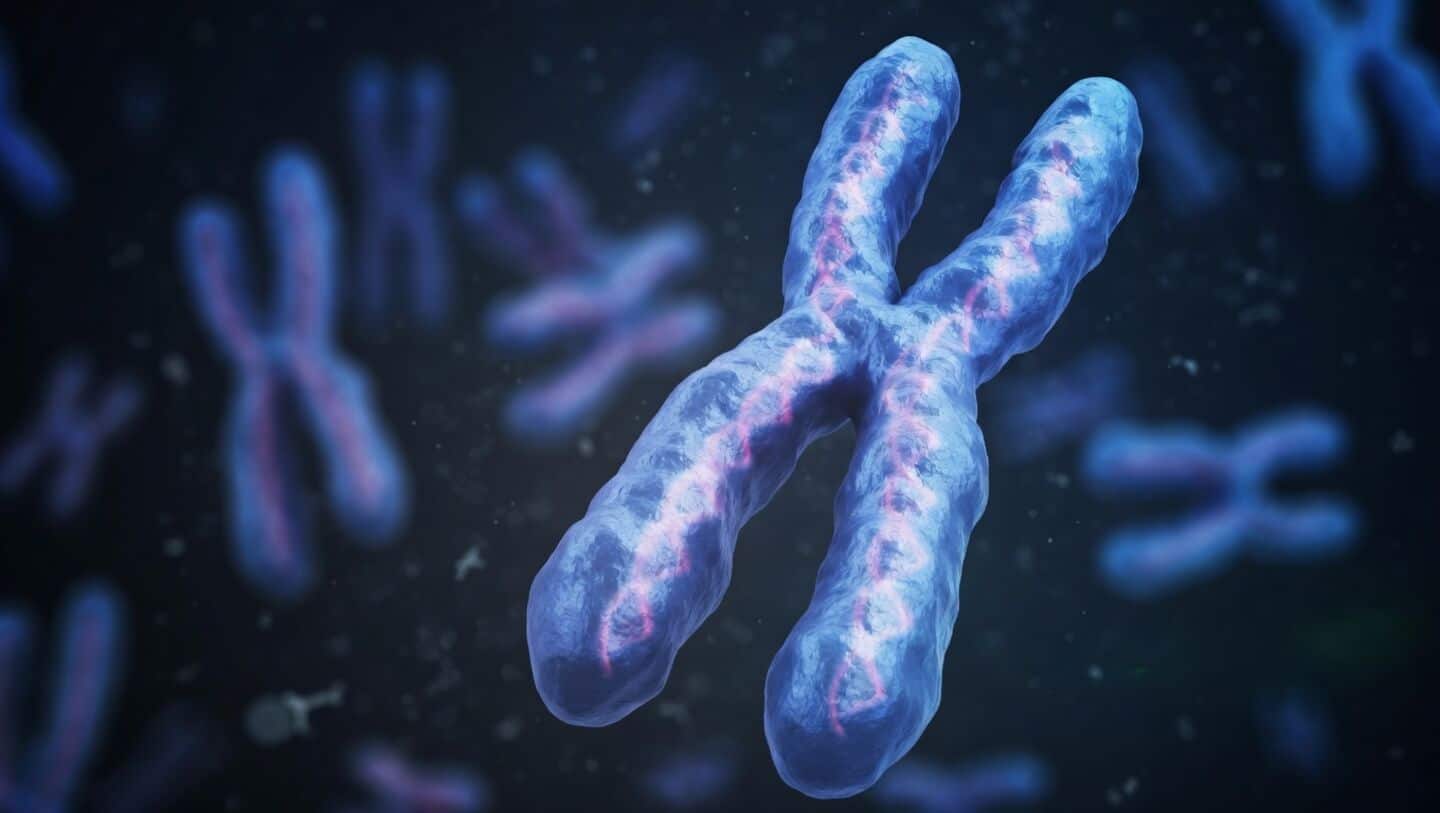
Harvard, Beth Israel researchers partially silence chromosome 21 with CRISPR
Technology
Researchers at Harvard and Beth Israel have found a new way to potentially treat Down syndrome using gene editing.
By tweaking the CRISPR/Cas9 method, they integrated XIST in around 20% of 40% of trisomy 21 cell lines, partially silencing the extra chromosome 21, a big step toward future treatments for this condition.
Limited XIST success, further research planned
The team used XIST RNA, which controls X-chromosome silencing, and got it working in around 20% of 40% of cell lines with trisomy 21.
Importantly, their approach only shut down one copy of the extra chromosome, which could mean fewer side effects.
Next up: more research and moving closer to human trials, so real-world treatments might not be too far off.