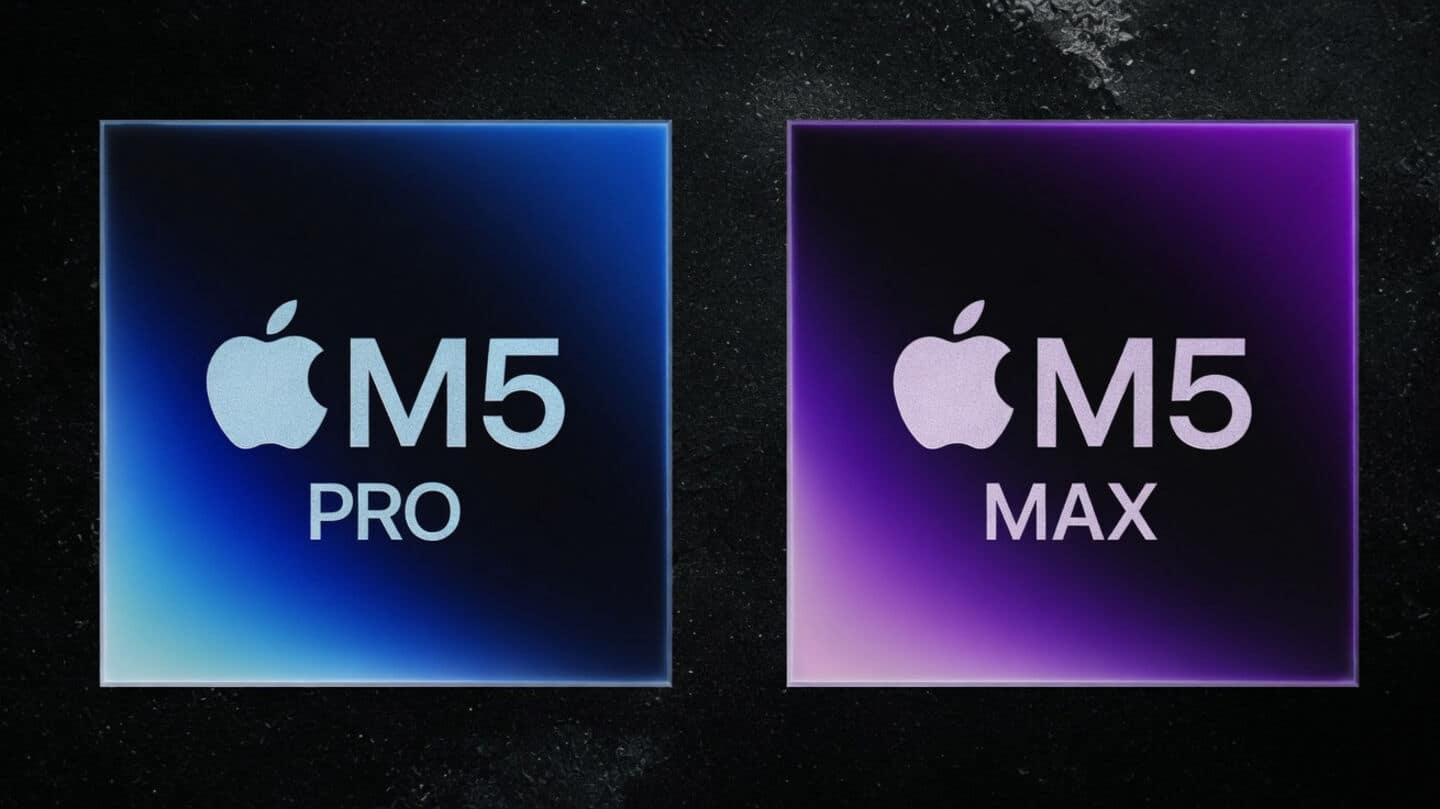
How Apple's failed car project helped create its AI chips
What's the story
Apple's failed self-driving car program has indirectly contributed to the development of its powerful AI chips, according to a report by Mark Gurman in his latest Power On newsletter. The tech giant realized early on that its autonomous vehicle platform would require advanced on-device AI processing capabilities. This realization led to the creation of the Neural Engine, which is now at the heart of Apple's on-device artificial intelligence (AI) processing.
Technological advancement
Neural Engine's origins and evolution
The Neural Engine first appeared with the iPhone X and A11 Bionic chip, primarily powering computer vision tasks like FaceID, Animoji, and augmented reality features.
The tech was later expanded to desktops with M-series chips, establishing Apple as a pioneer in on-device AI processing.
Despite its software efforts lagging behind competitors in the industry, Apple's hardware has been nothing short of impressive.
Strategic shift
Apple's next-gen M7 Ultra chip
Apple is now making its AI hardware a key part of its future strategy.
The company is skipping the Pro, Max, and Ultra variants of its next M6 chip and fast-tracking development for the M7.
This next-gen chip is expected to launch in H1 2027 with major upgrades to the Neural Engine.
The M7 Ultra will also power a new server product from Apple with support for up to 1.5TB RAM.