ICAR-NRRI scientists achieve 1st-in-India rice DNA edit with AI-designed OpenCRISPR-1
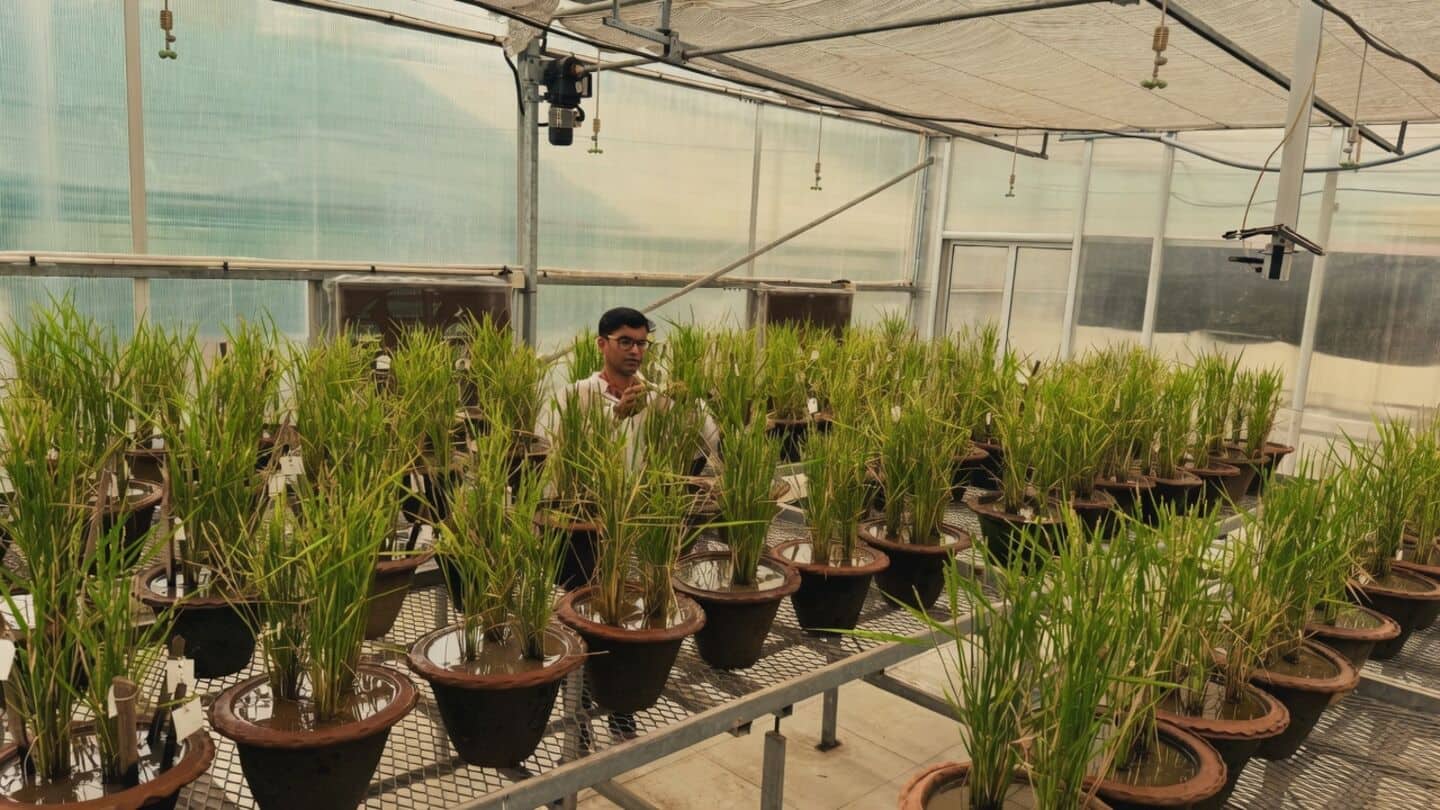
Scientists at the ICAR-National Rice Research Institute (NRRI) just pulled off a first for India: they edited rice DNA using an AI-designed enzyme called OpenCRISPR-1.
This tool, created by Profluent Bio in 2025 and tweaked for plants by the NRRI team, works with editing efficiency comparable to nature's own Cas9 enzyme.
Their research, first released as a preprint in January 2026, has already led to new rice varieties that are better at handling disease and using nitrogen more efficiently.
POC1 open source avoids patent hurdles
What's really cool is POC1 (the plant version of the enzyme) is open source, so no expensive patents or legal headaches for Indian scientists.
Thanks to India's updated rules on gene editing, these kinds of changes can get approved faster if they don't add foreign genes.
The hope? More climate-resilient rice that needs less fertilizer and can handle extreme weather, making farming smarter and more sustainable for the future.