Ignacio Sepulveda uses NASA SWOT to refine tsunami forecasts
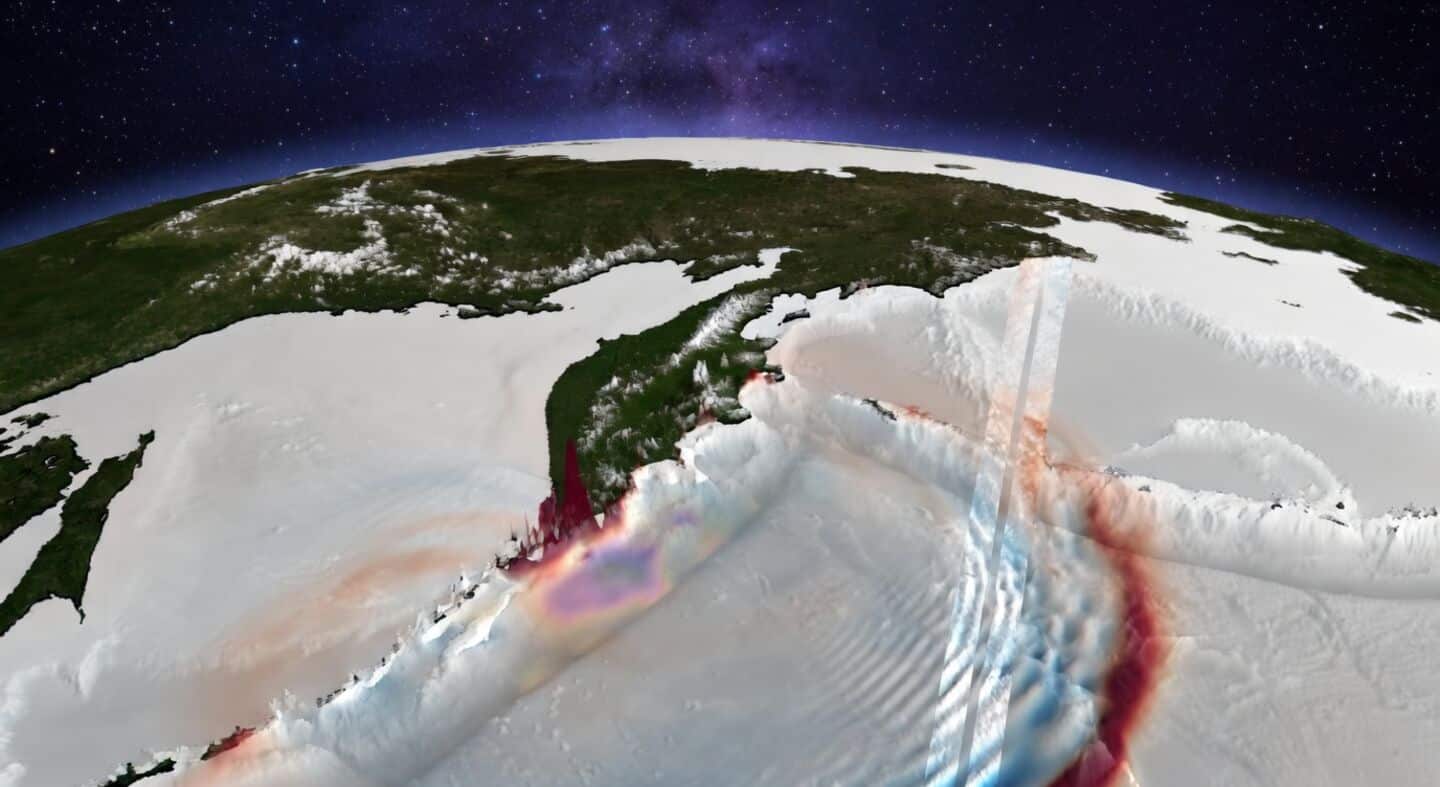
After a massive magnitude 8.8 earthquake hit off Russia's Kamchatka Peninsula last July, NASA's SWOT satellite (teamed up with France's space agency) gave scientists their best look yet at how tsunamis actually form.
Thanks to this data, researchers, led by Ignacio Sepulveda from San Diego State University, are now better able to model and forecast tsunamis more accurately.
Tsunami origin pinpointed within 10km
SWOT's wide-angle view caught not just the main tsunami waves but also smaller ones that older sensors usually miss.
Using this fresh information, the team realized current models weren't cutting it, so they switched to a more detailed approach that pinpointed where the tsunami started—within just 10km of its origin.
This could mean better warnings and safer evacuations in the future.