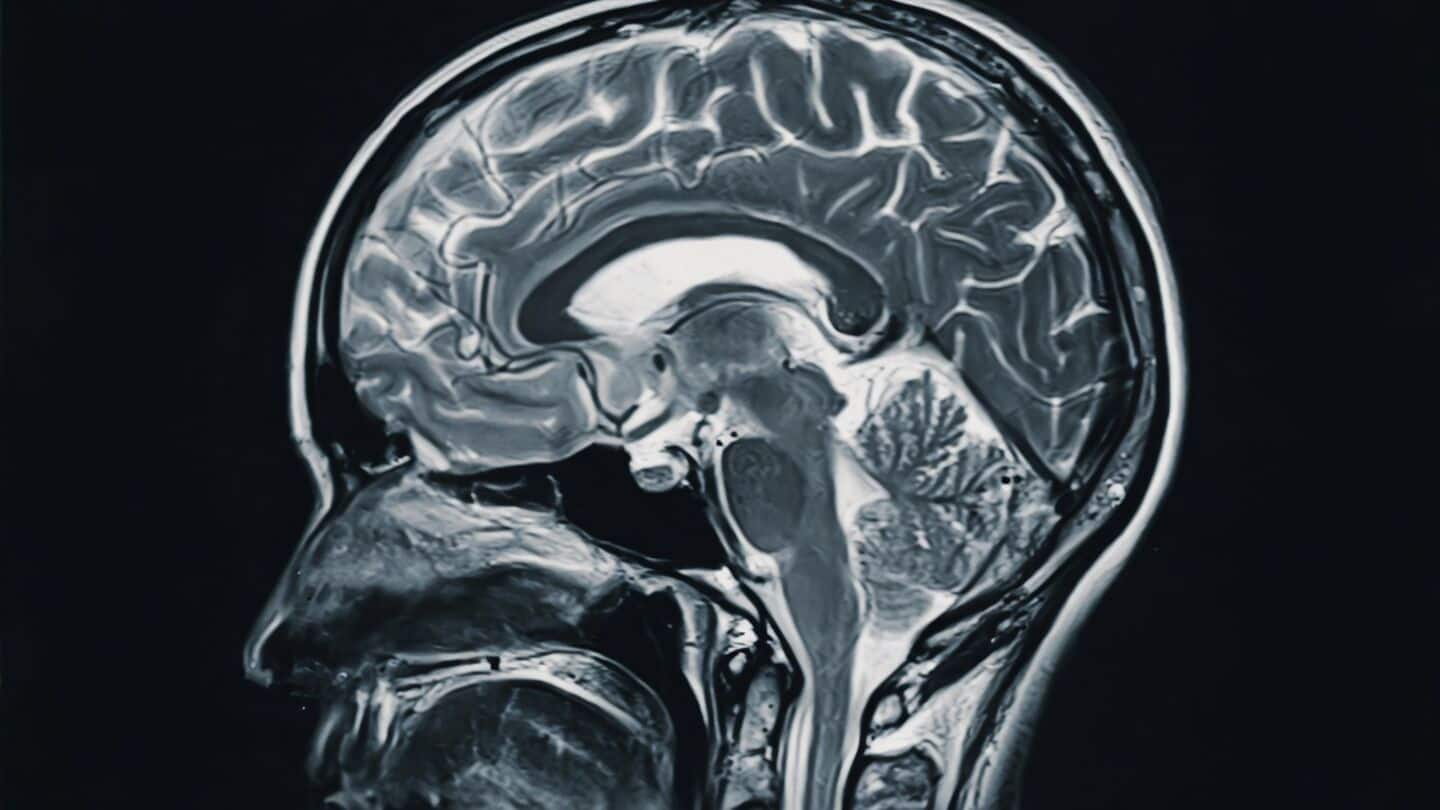
JAMA autopsy explains why aducanumab did not work as hoped
A new brain autopsy, just published in JAMA, helps explain why aducanumab, a once-hyped Alzheimer's drug, didn't work as hoped.
Doctors studied a patient who got 30 doses over 4.5 years and found the drug only cleared amyloid plaques in some outer brain layers, leaving deeper areas untouched.
Less amyloid associated with reduced tau
neuropathologist Edward Lee from the University of Pennsylvania called it a rare look at how removing plaques affects nearby brain tissue.
Interestingly, regions with less amyloid also had fewer tau tangles and slower tissue damage.
Co-senior author David Wolk, a neurologist and director of the Penn Alzheimer's Disease Research Center, said it's "some of the clearest human evidence" that these drugs might help slow the disease, but bigger studies still show no real improvement in memory or thinking, so finding an effective treatment remains tough.