James Webb finds red dots possibly early black hole seeds
Technology
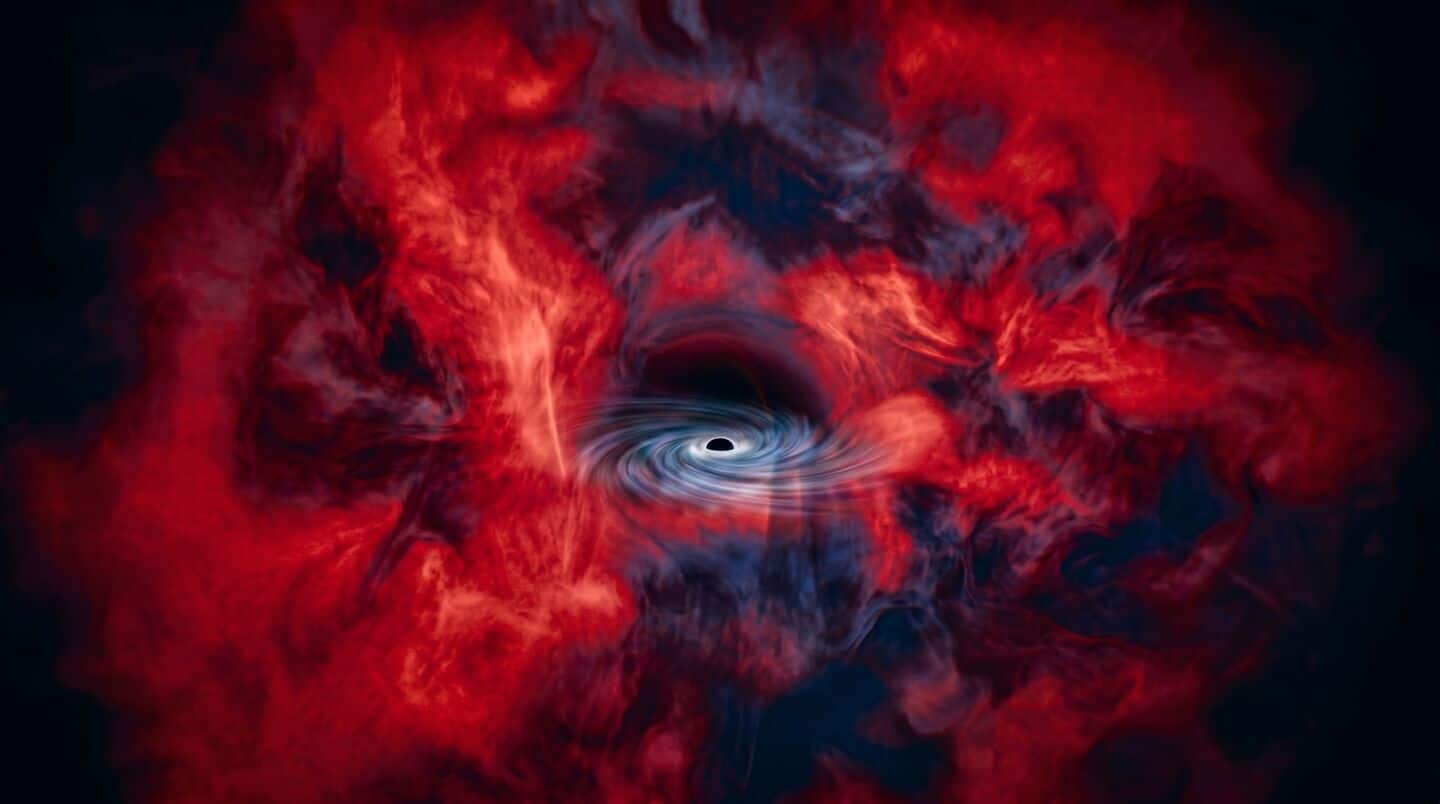
The James Webb Space Telescope has found hundreds of mysterious little red dots that might help explain how black holes formed about 11.8 billion years ago.
These tiny objects could be early versions of the giant black holes we see today, and recent analysis of archival Chandra data are helping scientists piece together this cosmic puzzle.
Object 3DHST-AEGIS-12014 hints at black hole
One standout red dot, named 3DHST-AEGIS-12014, was spotted as it looked nearly 12 billion years ago.
It shines brightly in X-rays but appears deep red, unlike most active galaxies, hinting it is a cloud of gas being pulled apart by a growing black hole inside.
If confirmed, this discovery could help explain how supermassive black holes first formed.