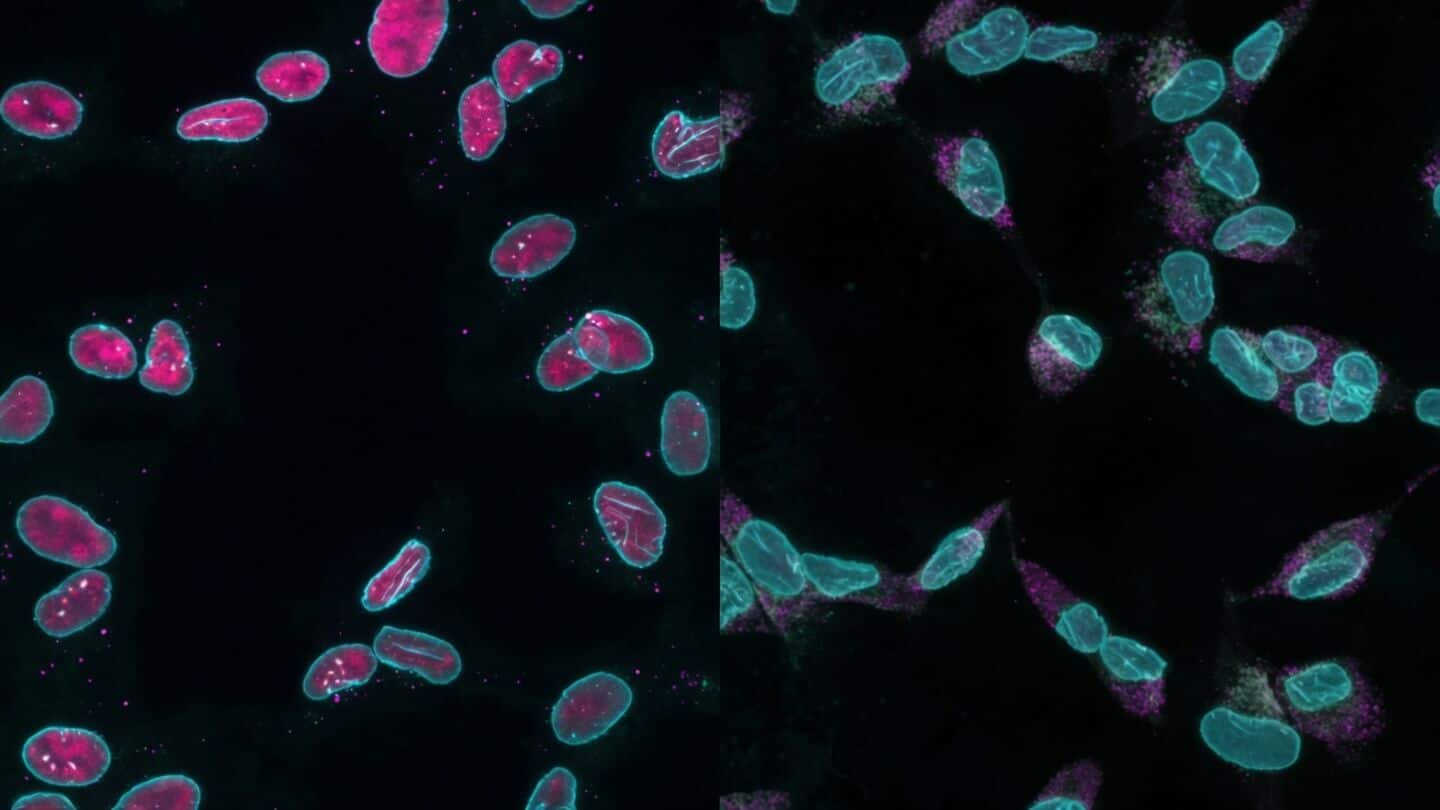
King's College London finds karyoptosis linked to dementia neuron loss
A team at King's College London just found a new reason why brain cells die in Alzheimer's and frontotemporal dementia.
They discovered a process called karyoptosis, where toxic proteins build up and basically cause the nucleus, the cell's control center, to fall apart.
This could explain why so many neurons are lost in these diseases, and it might help scientists find better treatments down the line.
Blocking p38 map kinase slows damage
Karyoptosis showed up in 35% of neurons from dementia patients, compared to just 15% in healthy brains, so it's a big deal.
The key player is an enzyme called p38 MAP kinase; when it gets triggered by toxic proteins, it breaks down an important part of the nucleus (LaminB1), leading to cell death.
Blocking this enzyme slowed down the damage, giving hope that targeting karyoptosis could open up fresh ways to fight neurodegenerative diseases.