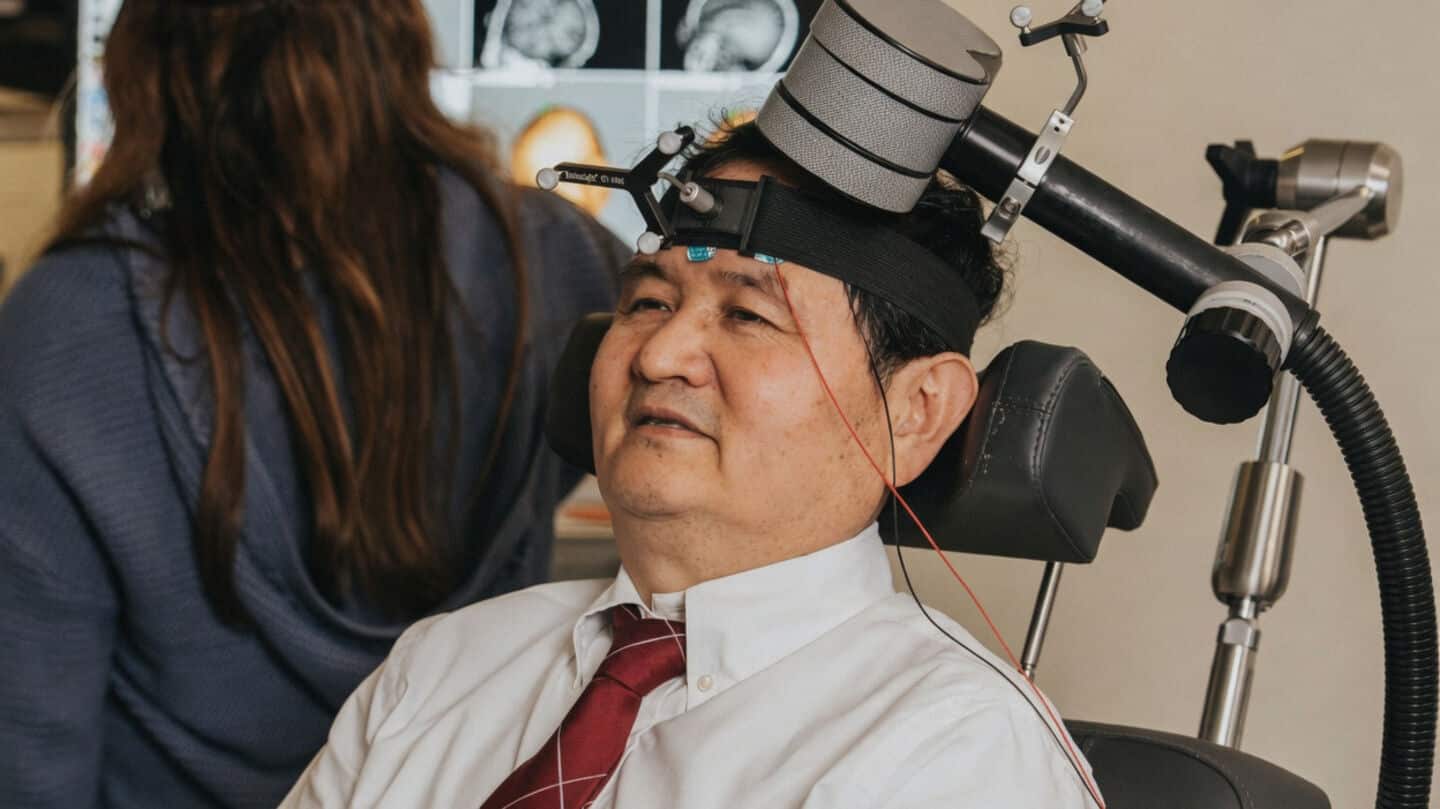
Medical University of South Carolina study finds rTMS reduces smoking
A new study suggests that repetitive transcranial magnetic stimulation (rTMS), a noninvasive treatment using electromagnetic pulses, could actually help people quit smoking.
Researchers at the Medical University of South Carolina had 45 smokers in a trial with a sham-treatment control group try out 15 sessions of rTMS, aiming to reduce cravings by targeting specific parts of the brain linked to decision-making/self-control and rewards/cravings.
High-frequency rTMS cut 11 cigarettes daily
Smokers who got high-frequency rTMS on the brain's self-control center cut back by about 11 cigarettes a day, while those with stimulation on craving-related areas smoked five fewer per day.
The placebo group smoked six fewer per day.
Lead author Xingbao Li called this a "It's a kind of precision medicine" approach, saying rTMS could restore balance in the brain and maybe even help tackle other addictions like meth or alcohol down the line.