Microplastic pollution is hampering oceans' ability to absorb CO2
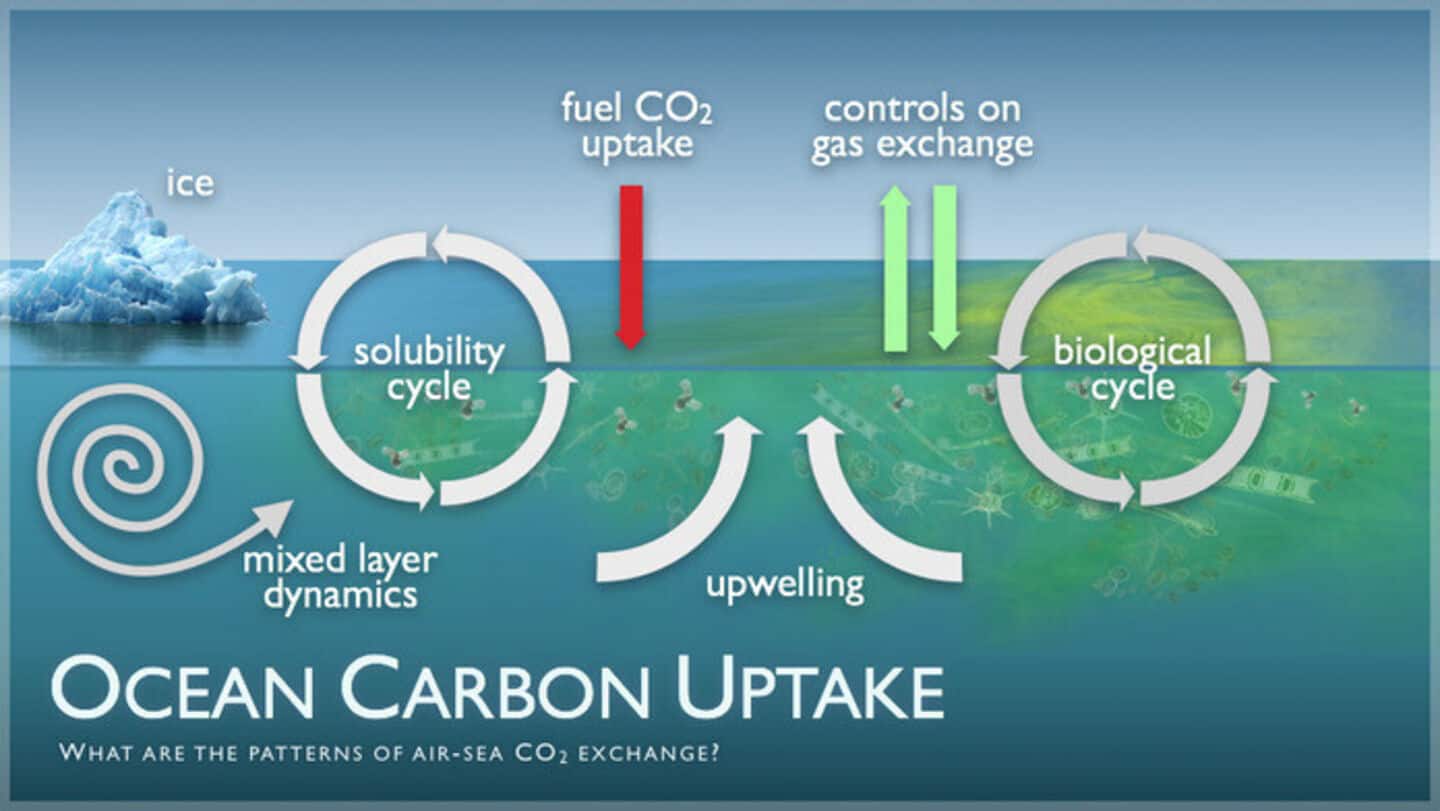
Microplastics are making it harder for oceans to soak up carbon dioxide and excess heat—two things they do to help keep our climate in check.
A new study warns that unless we act soon, microplastic contamination could seriously damage marine life and the planet's natural defenses.
Tiny plastics, big problems for ocean life
Microplastics block sunlight and nutrients from reaching phytoplankton like Prochlorococcus (which actually makes about 1 in 5 breaths of oxygen we take).
When zooplankton eat these plastics, it messes with their feeding and reproduction, which means less carbon gets sent down to the deep ocean.
Messing with nature's balance—and our climate data
These plastics aren't just a problem for sea creatures—they also disrupt how carbon and nitrogen move through the ocean, leading to more greenhouse gasses.
Plus, microplastics can trick scientists' tools into misreading ocean carbon data, making it even tougher to track climate change accurately.
The plastic pile-up is speeding up
With over 8 billion tons of plastic already made, microplastics in the ocean are increasing at an alarming rate.
This could mean fewer nutrients for important algae by mid-century and a significant reduction—potentially 10% or more in some regions—in how much carbon oceans can absorb according to current estimates.