Moon's tilt shifts likely concentrated water ice in ancient craters
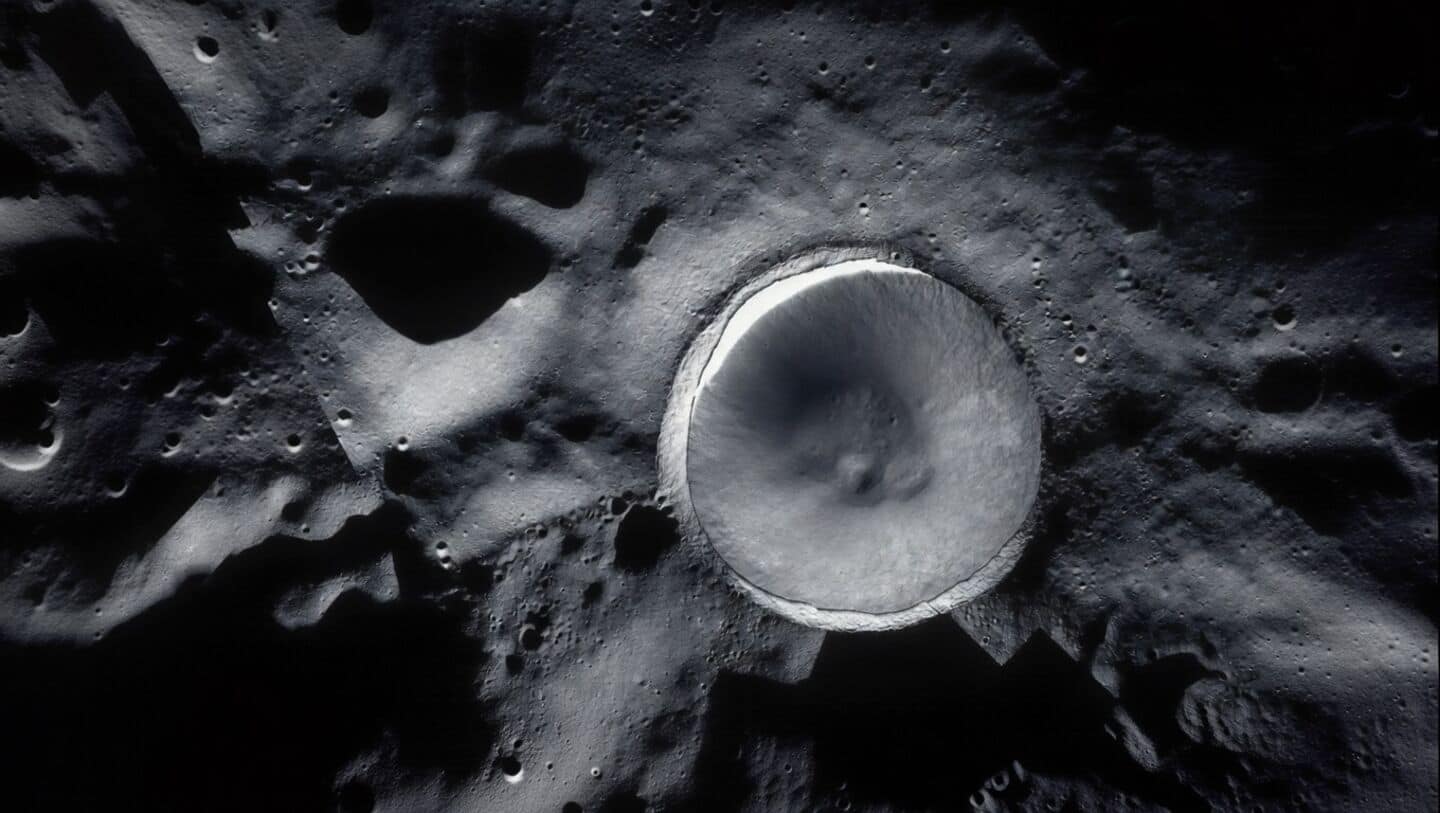
Turns out the Moon's ancient craters, especially near its South Pole, could be packed with water ice.
Scientists figured this out thanks to changes in the Moon's tilt over billions of years. Those shifts created new shadowy spots where ice could slowly build up.
NASA's Lunar Reconnaissance Orbiter recently found evidence of this hidden ice in the same craters, which likely formed from smaller asteroid or comet impacts, volcanic activity, the solar wind, or material from Earth's atmosphere.
NASA will send L-CIRiS 2027
Researchers are now trying to figure out exactly where this water came from—maybe comets, maybe even inside the Moon itself.
To dig deeper, NASA is sending a new instrument called L-CIRiS in 2027 to study these icy craters up close.
Understanding all this is a big deal for future Moon missions and could help humans use lunar resources down the line.