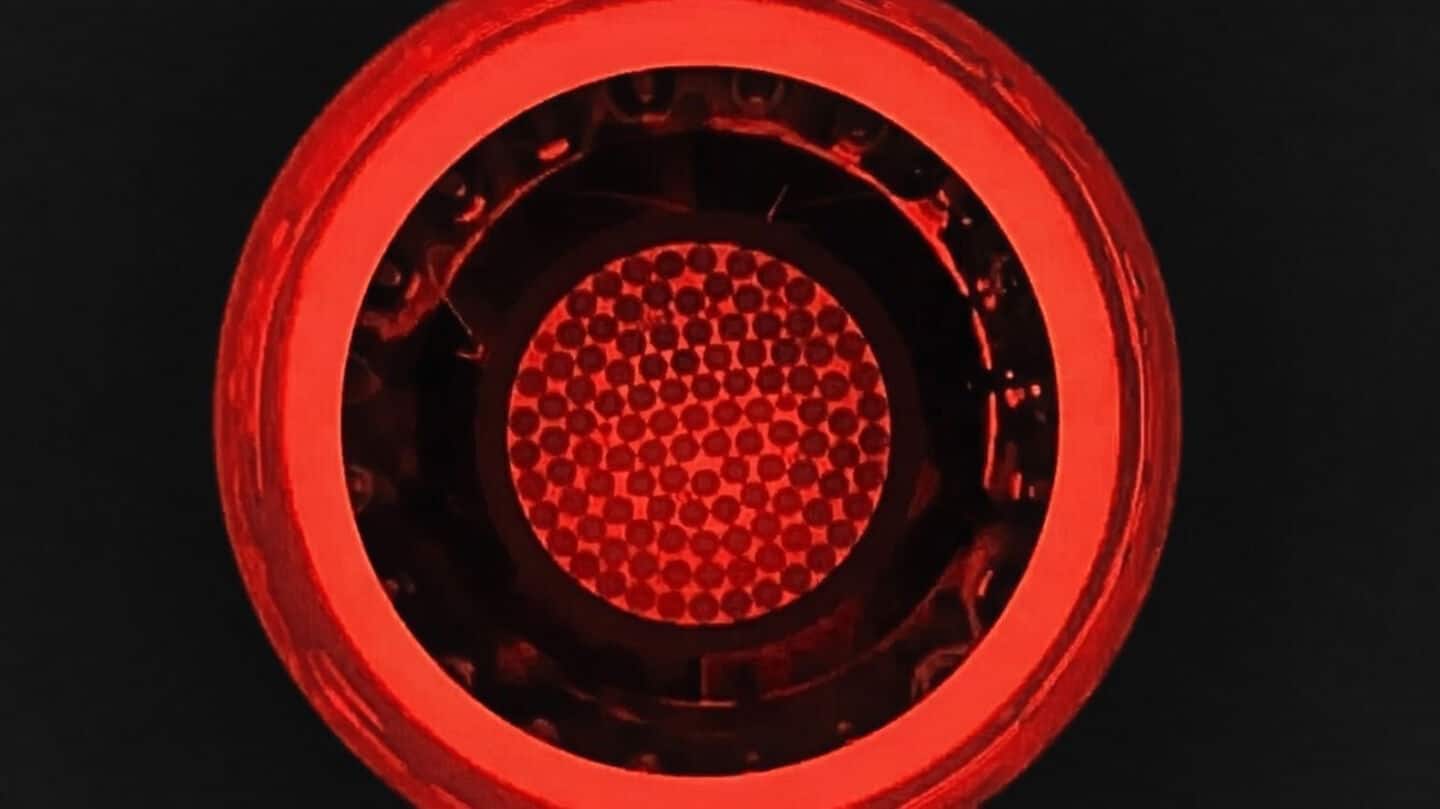
NASA tests lithium-fed MPD ion engine at JPL for Mars
NASA just tested a powerful new ion engine, the lithium-fed magnetoplasmadynamic (MPD) thruster, that could make trips to Mars much faster.
The test happened at Jet Propulsion Laboratory in California, and this engine runs up to 120 kilowatts, over 25 times the power of the thrusters on Psyche.
Instead of using xenon fuel, it uses lithium metal vapor and is designed to be part of a nuclear electric propulsion system, paving the way for more efficient crewed missions.
MPD thruster uses 90% less propellant
The MPD thruster uses 90% less propellant than regular chemical rockets, meaning spacecraft can be lighter and move faster.
During the test, its tungsten electrode handled extreme heat, reaching temperatures above 2,800 degrees Celsius, which shows it's tough enough for space.
Jared Isaacman called the breakthrough "real progress" toward sending humans to Mars and that NASA will "We will continue to make strategic investments that will propel that next giant leap."
More tests are coming as NASA aims for even higher power levels in future tests.