NASA to livestream Artemis II Moon flyby on Netflix, YouTube
What's the story
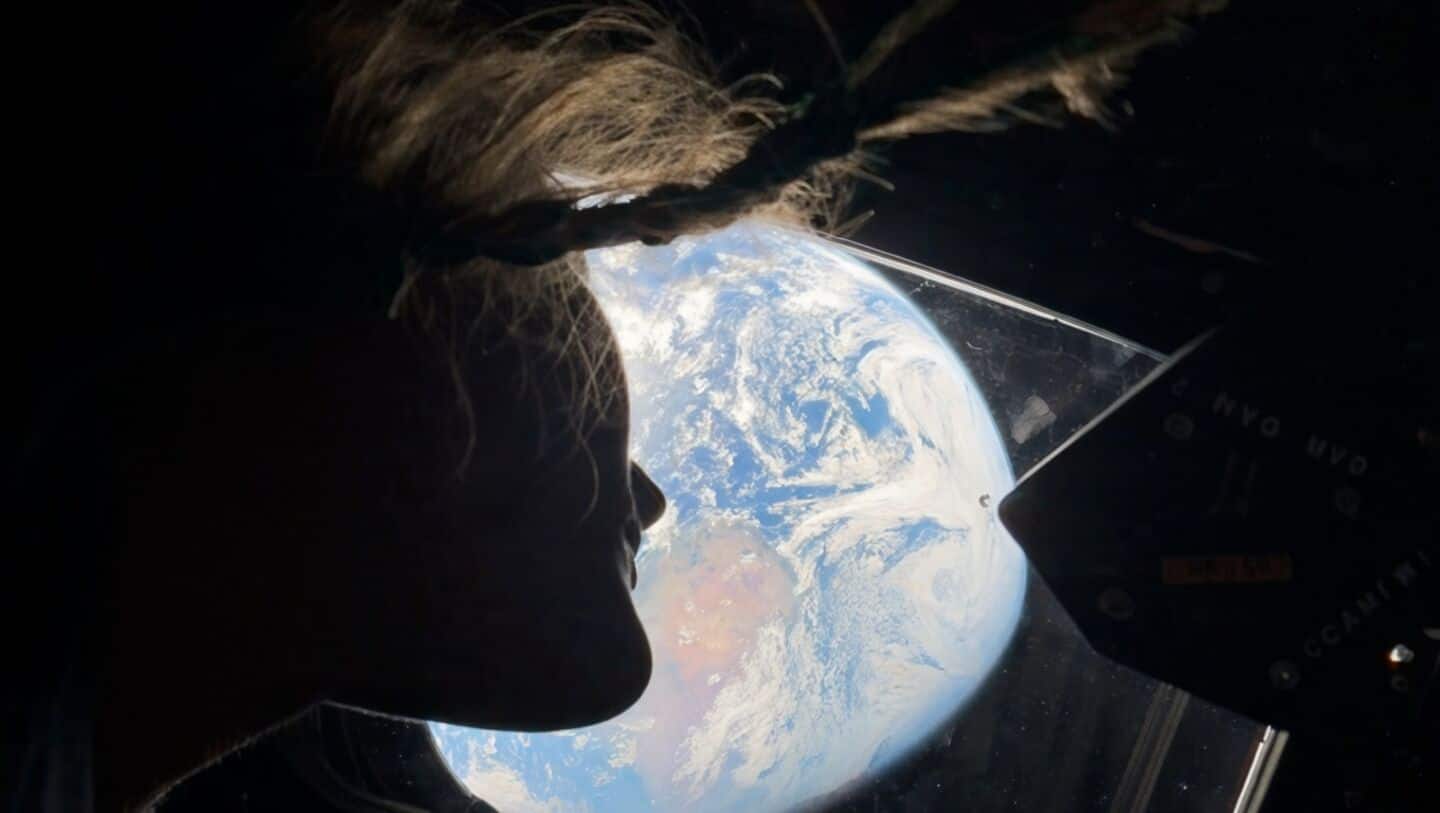
NASA's Artemis II mission is gearing up for a landmark lunar flyby today, an event that will be streamed live on YouTube and Netflix, among other platforms. The nearly seven-hour-long flyby will start at around 6:45pm GMT (12:15am IST tomorrow) and end at around 1:20am GMT tomorrow. This is the first time in over half a century that astronauts will be flying around the Moon.
Mission details
Where to watch the lunar flyby
The Artemis II crew will be flying behind the far side of the Moon, a view never seen by humans before.
NASA will livestream this historic event on its website, YouTube, Amazon, and Netflix with commentary from both the astronauts and experts at Mission Control in Houston.
However, due to the long distance - which is farther than any human has ever traveled from Earth - video quality may be affected.
Mission challenges
Communication blackout expected during flyby
During the flyby, there will be a 40-minute communication blackout as the astronauts go behind the Moon.
The Artemis II mission was launched on April 1 from NASA's Kennedy Space Center in Florida. It is expected to break Apollo 13's distance record by 6,600km, reaching a maximum distance of 406,772km from Earth.
Astronomical events
A rare solar eclipse
The Moon will look "about the size of a basketball held at arm's length," Noah Petro, head of NASA's planetary geology lab, said.
Toward the end of the flyby, astronauts will witness a rare solar eclipse as their spacecraft aligns perfectly with the Moon and Sun for about 53 minutes. This will make the star disappear from view.
Future plans
Artemis II mission will aid future lunar landings
The Artemis II mission is a major milestone in NASA's efforts to establish a long-term human presence on the Moon.
The data collected during this flyby will be crucial for future missions like Artemis 3 in 2027 and the lunar landing itself on Artemis 4 in 2028.
The crew has spent years training to observe and document geological features during the flyby, contributing to our understanding of the Moon's composition and evolution.